For years, conversations about Africa’s growing global cultural influence have centred on a familiar group of cities. Lagos, Accra, Johannesburg and Nairobi have become important reference points for the continent’s music, fashion and entertainment industries, attracting international audiences, investment and creative talent. But in Ethiopia, a festival with ambitions beyond the stage is making a case for another city to join that conversation.
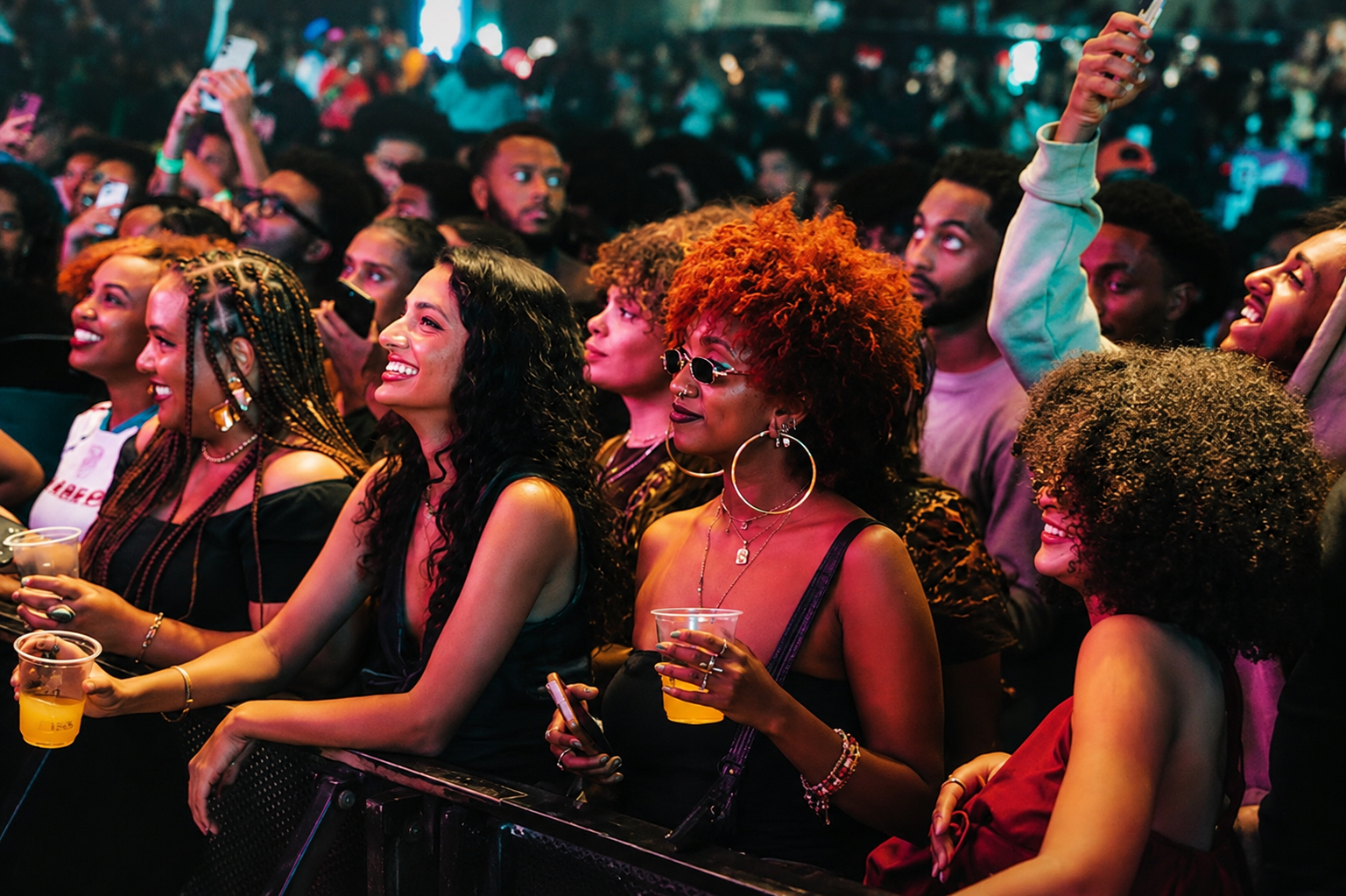
Founded by Ethiopian entrepreneurs with roots in the diaspora, World Afrika Festival is working to position Addis Ababa as an international meeting point for African music, fashion and cultural exchange. World Afrika Festival is bringing together performers, creatives and audiences from across the continent and beyond with the goal of creating a space where African cultures can meet, interact and be experienced on their own terms, while introducing international audiences to Ethiopia’s creative landscape.
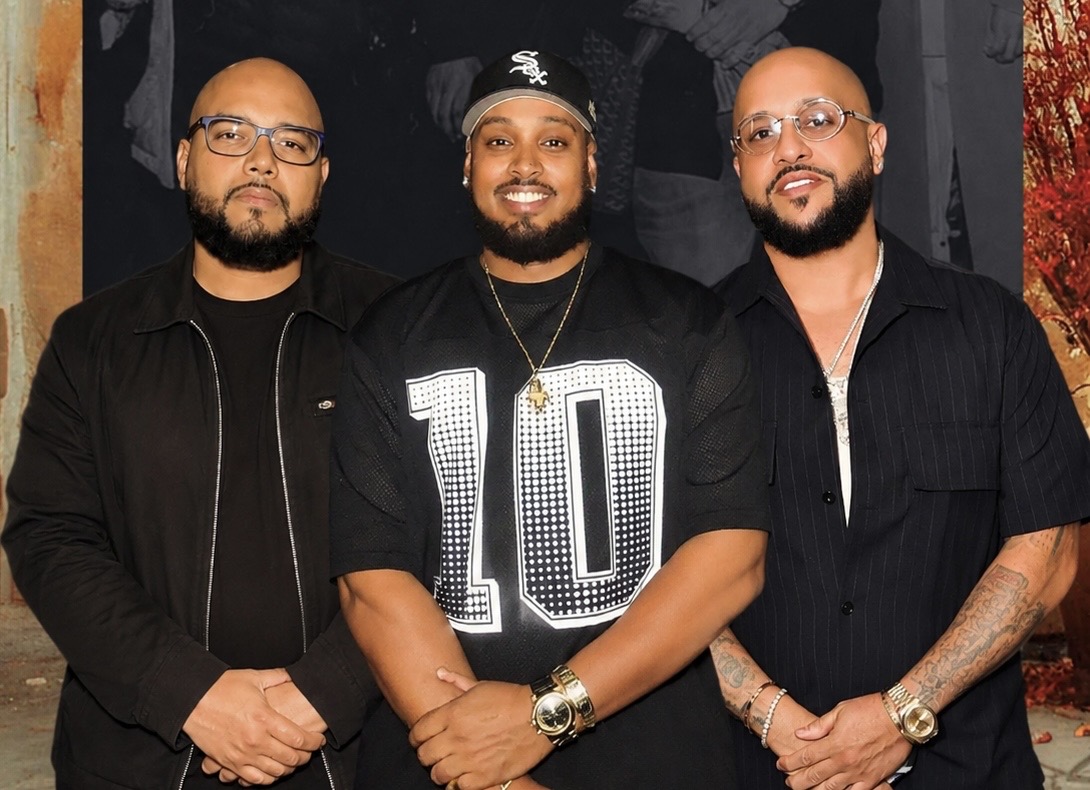
The idea began with Jonathan Bekele, who had previously launched a clothing brand called Anbessa in Boston, Massachusetts. World Afrika initially emerged as part of the brand’s identity before developing into a broader, distinct cultural and events platform. Alongside co-founders Daniel Fesseha and Abraham Haile, Bekele began exploring how the concept could bring Africans together through shared cultural experiences.
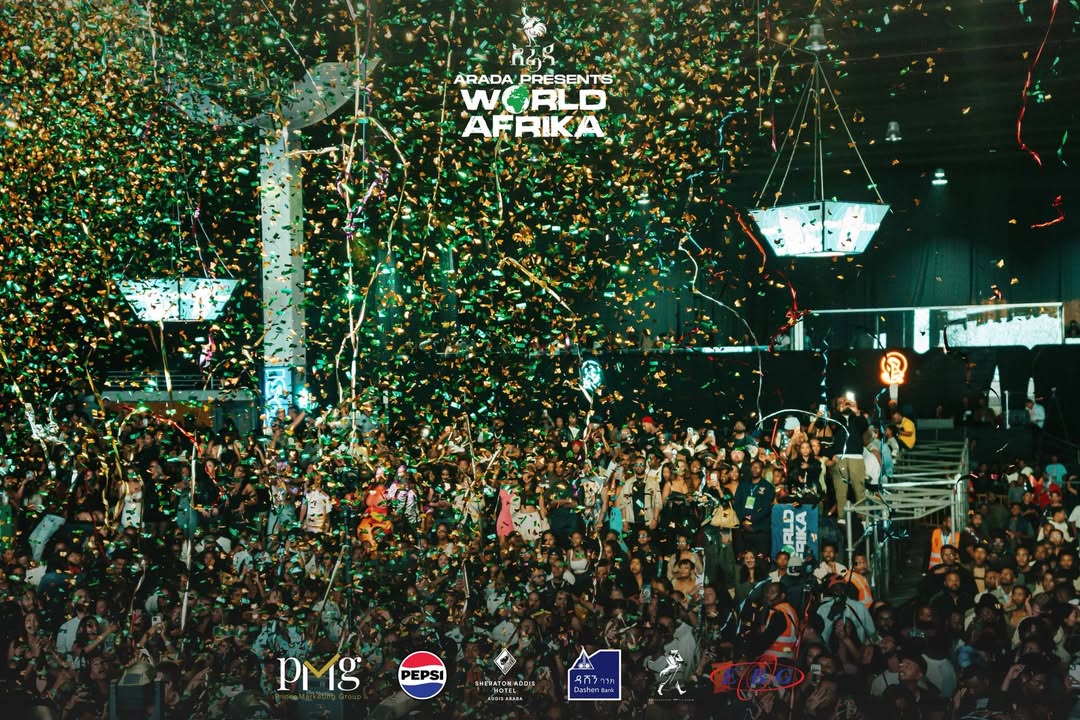
“World Afrika was created to make diasporas across the world feel at home by bringing the sounds of the continent into our experience.’’ Jonathan Bekele tells Amplify Africa. ‘‘We spell it with a K as homage to the original spelling of the continent prior to colonization and taking our identity back as proud Ethiopians and Africans. This next edition is our third year of the festival, expect sounds from all over the diaspora from west south east and more everyone is represented and we take pride in that.”
Today, World Afrika is led by Jonathan Bekele, founder and Co-CEO, Daniel Fesseha, who is the Co-CEO, and Abraham Haile, who is the founder and CFO, with Aman Sebahtu, who is a partner. PMG Entertainment, represented by Seid Amiru and Nahusenay Ayalew, is also partners on the festival. For the founders, the project offered an opportunity to build something connected to their heritage while creating new relationships between the country and its international diaspora. Bekele has described World Afrika as a love letter to Ethiopia and to the generations whose sacrifices made it possible for their children and grandchildren to build lives abroad.
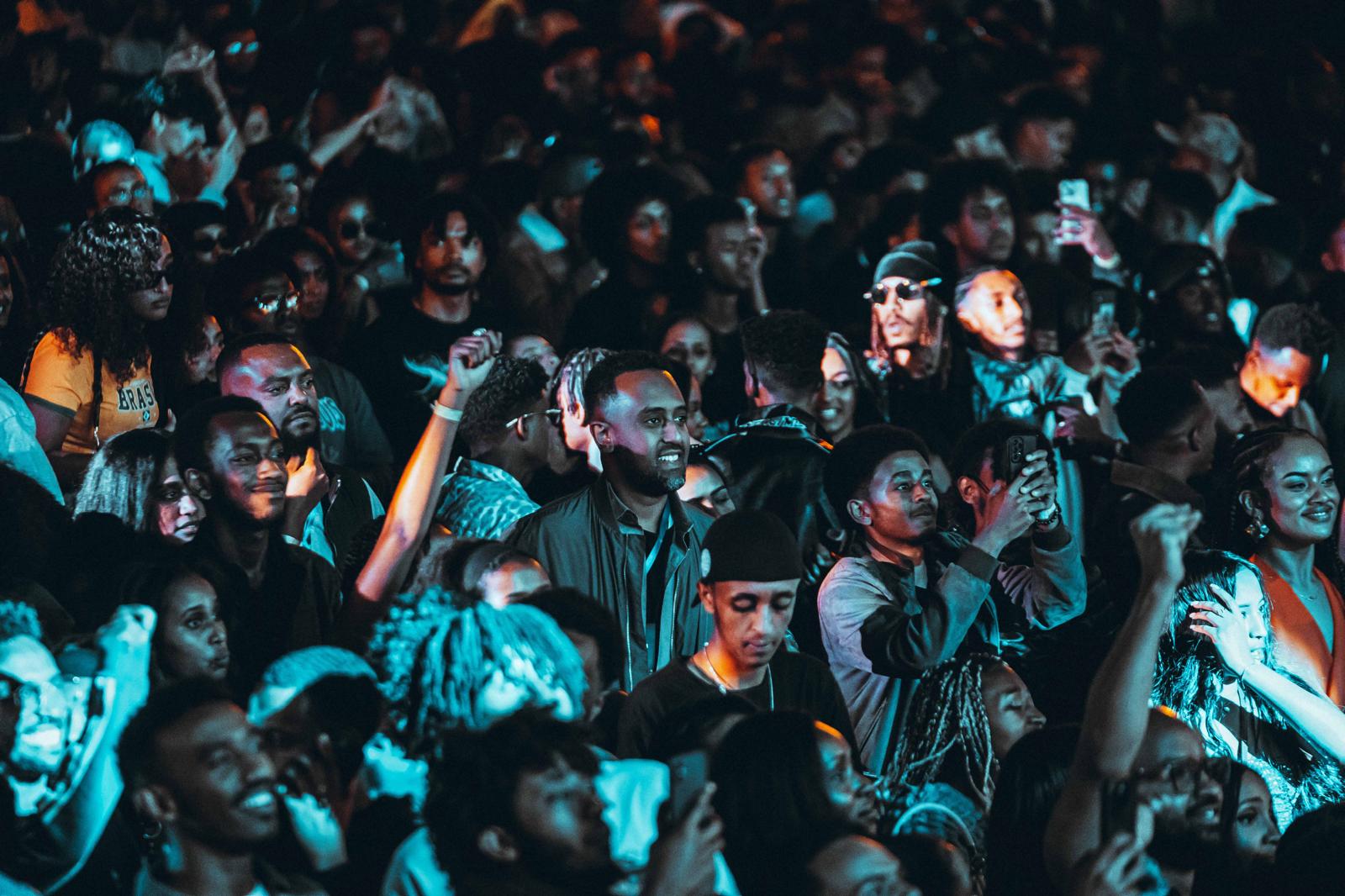
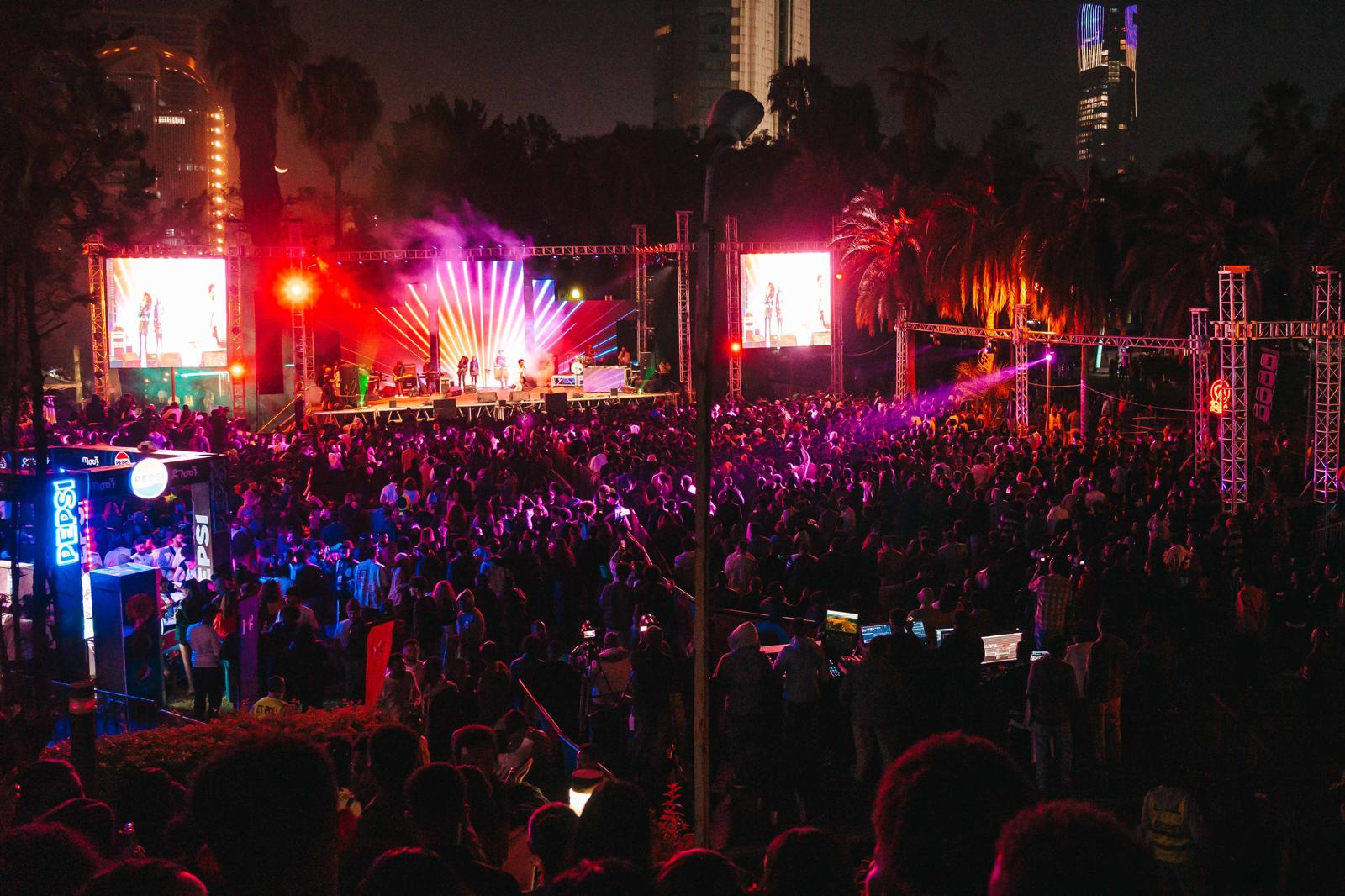
The first Addis Ababa edition took place in January 2025 at Ghion Hotel. Its lineup reflected the festival’s pan-African approach, bringing together Nigerian DJ and producer Spinall, South African DJ Uncle Waffles, Ethiopian-American singer Chxrry22 and Ethiopian performers Nhatty Man and Alemeda, alongside DJs Eden and K-Meta. For its second Addis Ababa edition, held on 10 January 2026 at Millennium Hall, the festival expanded its ambitions. Nigerian Afrobeats artist BNXN and UK-based Nigerian singer Odeal were announced as headliners.
Now preparing for its third year, World Afrika is continuing to build on that foundation. The upcoming edition has already announced Nigerian artists Fireboy DML and Victony, alongside Skyla Tylaa, adding to a programme designed to bring different corners of the African and diaspora music landscape into one space. More announcements, including Ethiopian talent, are expected as the festival approaches.
But World Afrika’s ambitions are not limited to bringing international performers to Ethiopia. A significant part of its proposition is the opportunity to introduce more people to Addis Ababa itself.
The Ethiopian capital has a cultural identity that stretches far beyond its reputation as the headquarters of the African Union, and as international interest in African culture grows, the question of which cities get to participate in that expansion becomes increasingly important.
This is where the festival’s significance extends into the business of cultural tourism. Across Africa, music festivals have increasingly become vehicles for attracting international visitors, generating commercial activity and strengthening a city’s cultural identity. Events such as AfroFuture in Ghana have demonstrated how music, fashion and cultural programming can become part of a destination’s international appeal. For Ethiopia, World Afrika presents an opportunity to explore what an event serving as a tourist draw can look like. Its approach connects entertainment with tourism, diaspora engagement and the wider business of cultural exchange.
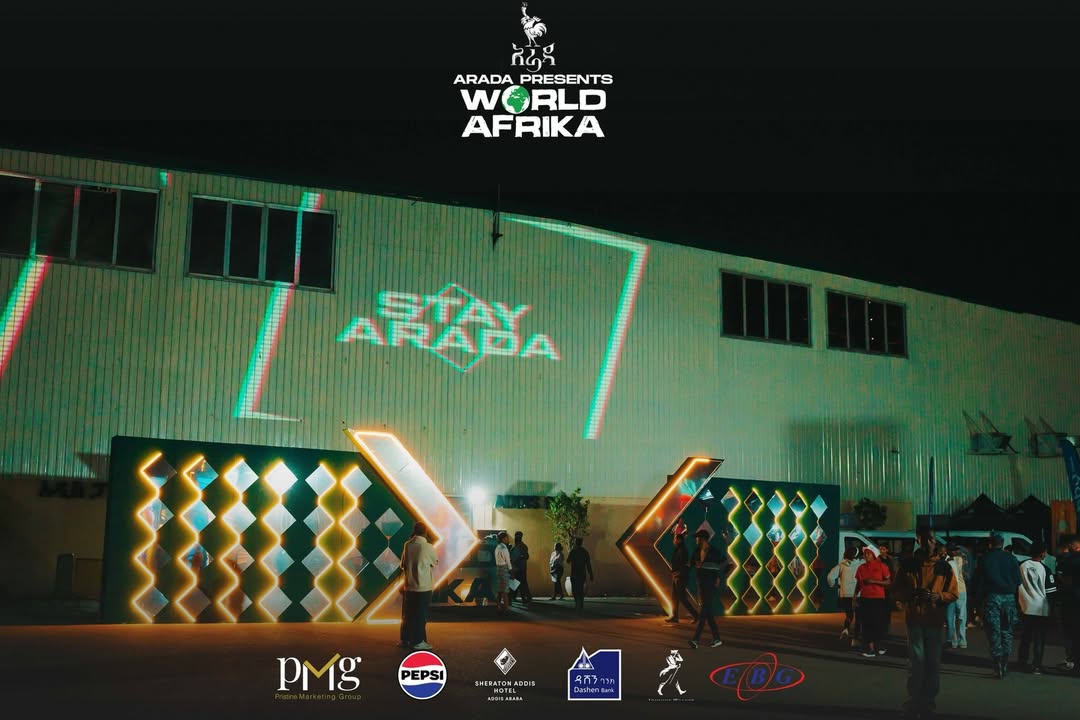
Representation is equally important. While African music’s international growth has often been driven by the popularity of Afrobeats and Amapiano, the continent’s creative landscape is considerably more diverse. A festival that is pan-African has the opportunity to introduce audiences to sounds and artists that remain outside the mainstream international conversation.
For World Afrika, this means balancing internationally recognised performers with a meaningful platform for Ethiopian and other East African talent. Its first edition offered an example of that approach, bringing local performers into a programme alongside artists from Nigeria and South Africa. Maintaining and expanding that balance will be important as the festival grows.
There is also a broader diaspora story unfolding. For many Africans living abroad, engagement with the continent has traditionally been discussed through the familiar language of remittances, philanthropy and property investment. But a younger generation of diaspora entrepreneurs is exploring other ways to contribute, from building businesses and investing in creative ventures to developing cultural platforms that encourage people to reconnect with their countries of origin.
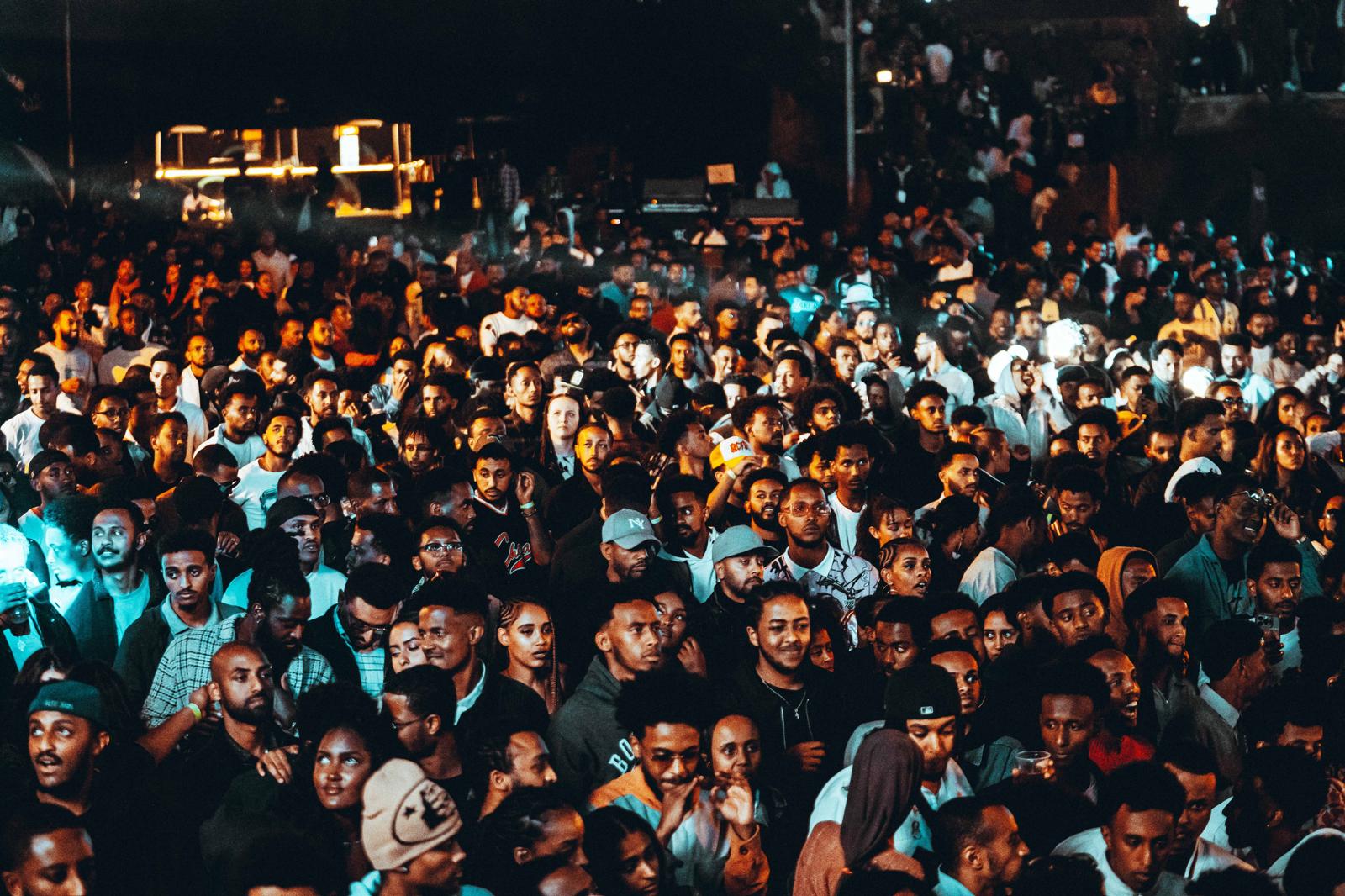
World Afrika sits within this shift. Its founders are using their international experience and relationships to develop a platform rooted in Ethiopia, while inviting a wider African audience to participate in its growth. In doing so, they are also exploring how cultural experiences can become a form of diaspora engagement in their own right, creating reasons for people to return, reconnect and invest in the places from which they come.
The challenge now is turning that initial momentum into a sustainable institution. A successful festival must retain its audience, develop commercial partnerships, support its local creative ecosystem and establish a consistent identity beyond individual editions. It must also demonstrate that the economic and cultural benefits of attracting international visitors extend to the communities that make the event possible. This underlying proposition is more than worth paying attention to: Africa’s cultural influence is expanding, but the cities and communities participating in that growth do not have to remain the same. By bringing together music, diaspora entrepreneurship and cultural tourism, World Afrika is making a case for Addis Ababa to become a bigger part of that story.
And in doing so, it is asking a question that extends beyond Ethiopia: as African culture continues to travel around the world, what new cultural destinations will emerge from the continent itself?
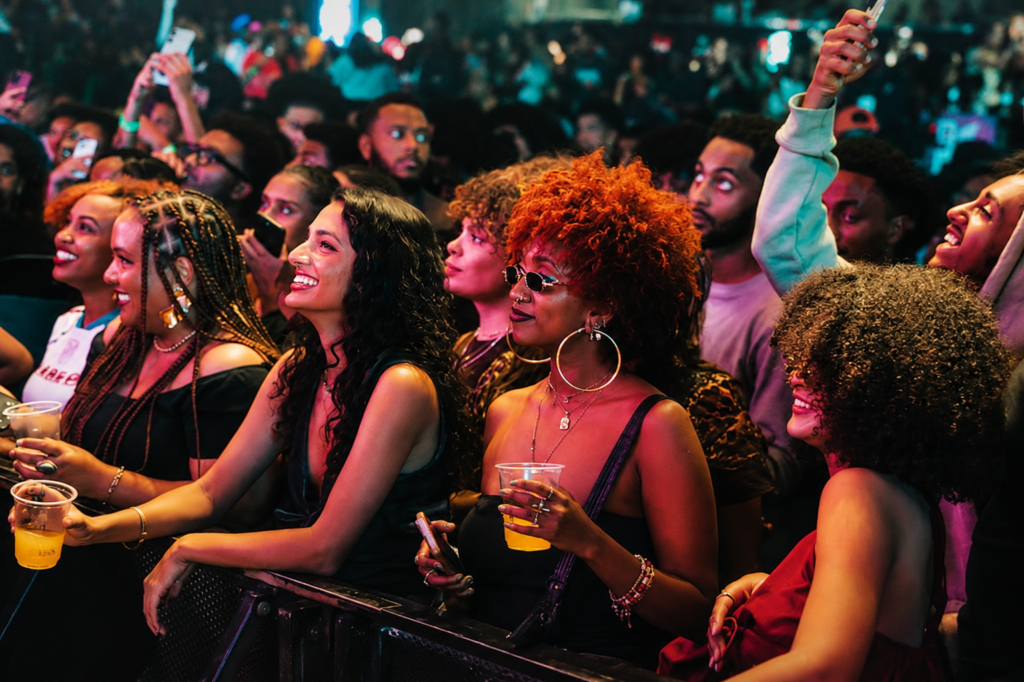
World Afrika Is Making a Case for Addis Ababa as Africa’s Next Cultural Destination
Botswana Is Turning 60 Years of Mineral Leadership Into a Blueprint for Its Economic Future

NAACP Image Awards Introduces 10 New African Categories for 2027 Edition