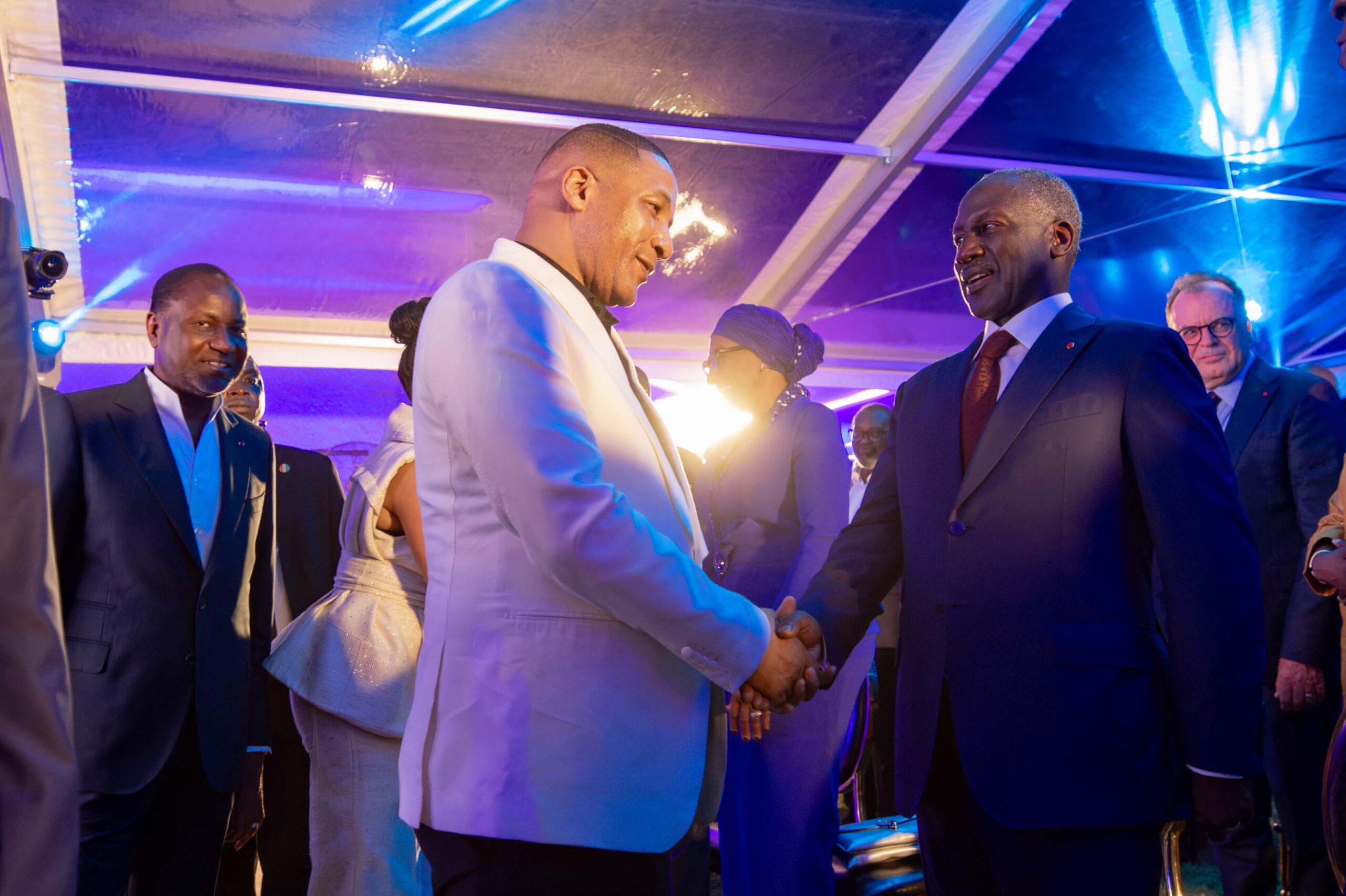
For six decades, diamonds have shaped Botswana’s economic identity, financed its development, and established its position in the global natural diamond industry. Now, as the country looks beyond extraction, it is turning its mineral legacy into a broader ambition for industrialisation, investment and African economic partnership.
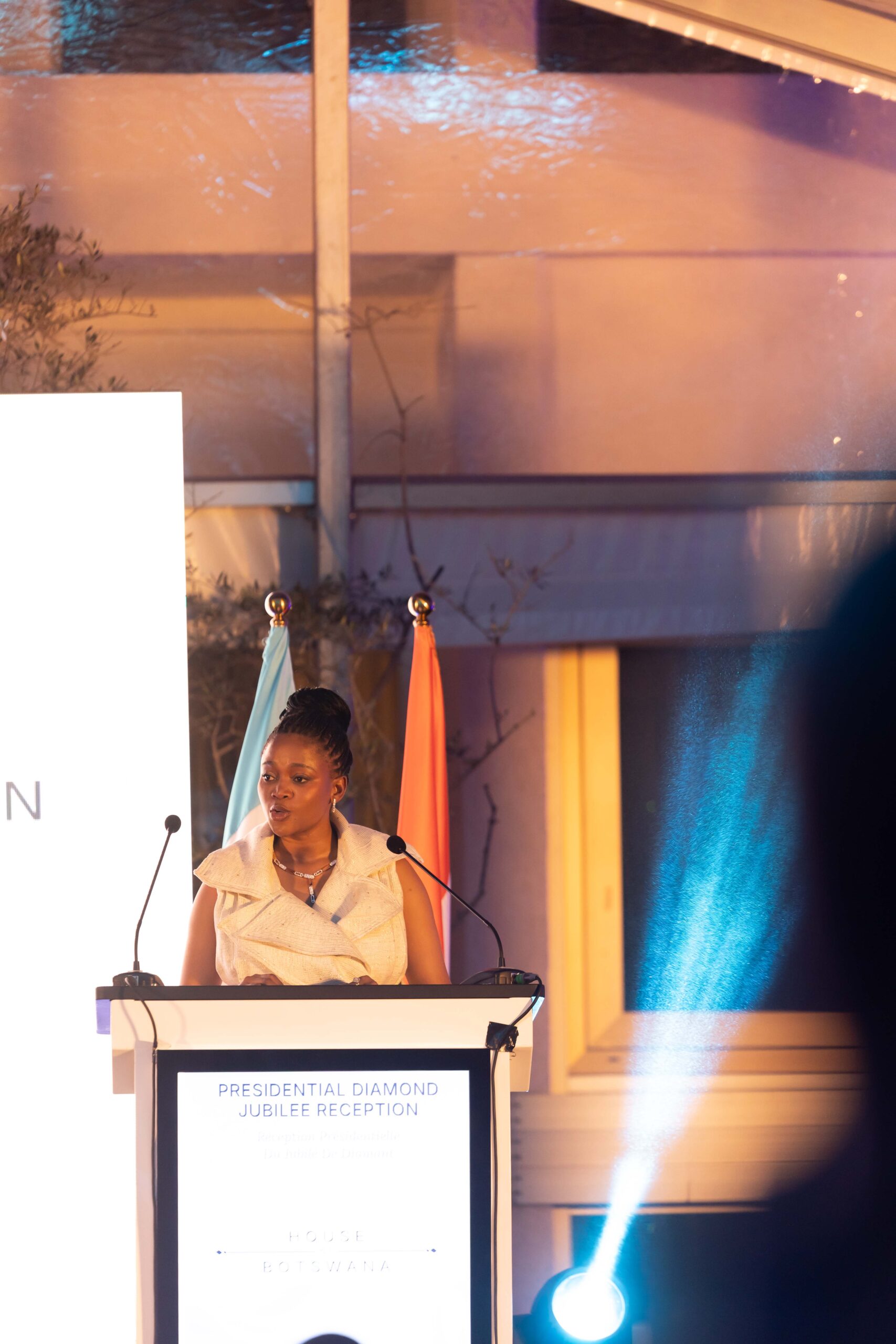
“Our greatest achievement was never simply finding diamonds. It was turning the diamonds into development.”
When Bogolo Kenewendo, Botswana’s Minister of Minerals and Energy, made the observation, she articulated a distinction at the centre of the country’s economic history. Finding diamonds is one thing. Building an economy around them, and using the proceeds to finance a country’s development, is another. Botswana has been the pride of the world in doing this.
It can be said that African countries have a relationship with a natural resource as closely intertwined with their modern economic identity as Botswana does with diamonds. Over the past 60 years, the industry has helped transform the country, financing investments in education, healthcare, infrastructure and public institutions while establishing Botswana as one of the world’s most significant diamond-producing nations. However, the story of Botswana’s diamond industry has never been exclusively about just the diamonds. It is also about the decisions made above it: how mineral wealth is governed, how partnerships with international companies are negotiated, and how the revenues generated from extraction can be translated into something that outlasts the resource itself.
As Botswana marks six decades of diamond leadership, that distinction is becoming increasingly important. The conversation is moving beyond the country’s achievements in mining towards a more pressing question: what can be built from the foundations that diamonds have provided?
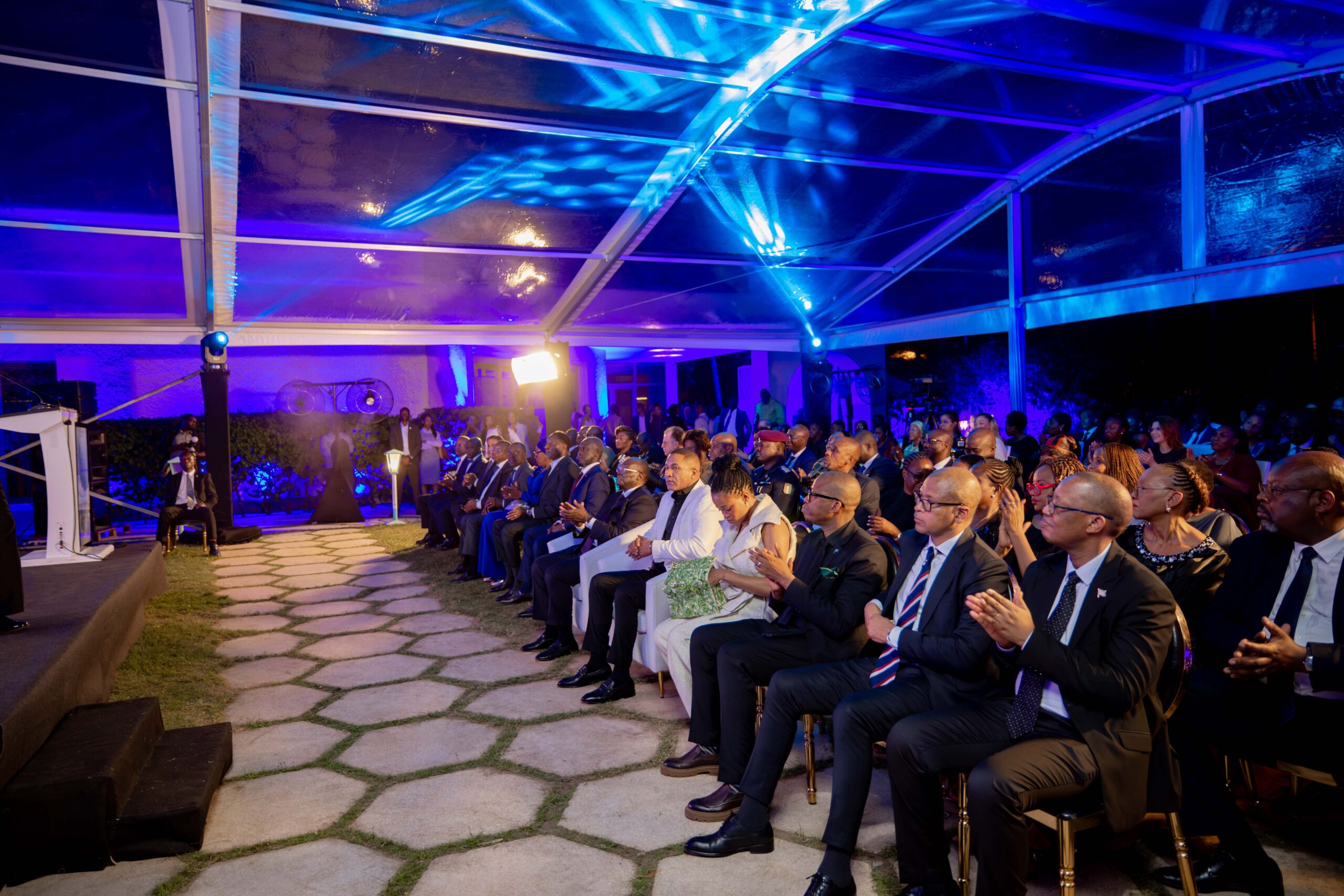
It was an ambition that informed Botswana’s presence at SIREXE, where the country was named Country of Honour. Rather than simply revisiting its mining history, Botswana used the occasion to present a broader economic vision, one that places diversification, investment and stronger African partnerships alongside its established position in the global diamond trade.
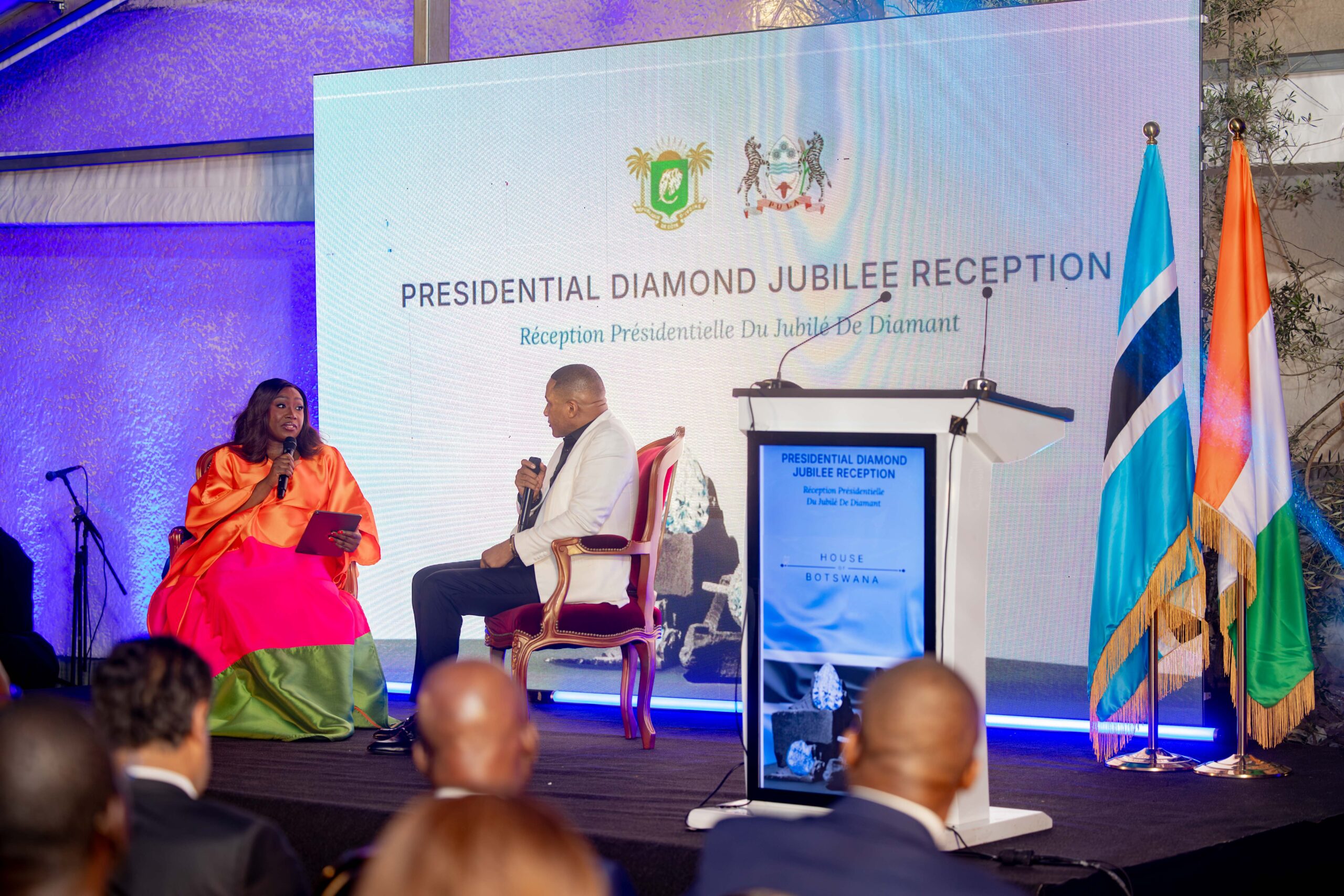
In a conversation with Stephanie, President Duma Boko reflected on the country’s diamond legacy, its developing relationship with Côte d’Ivoire and the possibilities of a more connected African economy. “Our greatest achievement was never simply finding diamonds. It was turning the diamonds into development,” he said.
The statement captures an approach to natural resource management that has become central to Botswana’s economic story. Diamond revenues have helped fund public services and infrastructure, contributing to the country’s development over several decades. It is also a story that has made Botswana an important reference point in discussions about how resource-rich African economies can convert mineral wealth into long-term national value.
Yet even a successful resource-led development model eventually encounters the question of what comes next. Diamond markets fluctuate, demand changes, and mineral resources are finite. For Botswana, the challenge is no longer simply maintaining its place in the global diamond industry. It is ensuring that the economy it has built around diamonds can sustain itself beyond them. That means looking more closely at what happens after extraction. Mineral beneficiation, local processing and the development of related industries are increasingly important to Botswana’s economic ambitions. The objective is to retain more value within the country, create new industrial capabilities and expand the opportunities available to local businesses. Rather than participating in the global economy primarily as an exporter of raw materials, Botswana wants to strengthen its position across the value chain.
It is a distinction that matters far beyond the diamond industry. Across Africa, countries have historically supplied the raw materials that sustain global manufacturing, energy and luxury industries, while much of the processing, manufacturing and commercial value has been created elsewhere. The opportunity for resource-rich economies is to change that relationship by investing in the industries, infrastructure and expertise required to transform their own resources.
For Botswana, the next phase of its mineral story is therefore as much about economic participation as it is about production. During the conversation, Boko also spoke about the unveiling of a youth development fund intended to facilitate greater involvement by young people in business. The initiative introduces another dimension to the country’s diversification ambitions: ensuring that the opportunities generated by economic growth extend beyond established institutions and international investors to a new generation of entrepreneurs.
It is an important consideration for a country looking to build industries that can thrive beyond its traditional dependence on diamonds. Diversification requires more than attracting capital. It requires people with the skills, resources and institutional support to turn investment into businesses, employment and new sources of economic activity. And increasingly, Botswana sees international partnerships as part of that process.
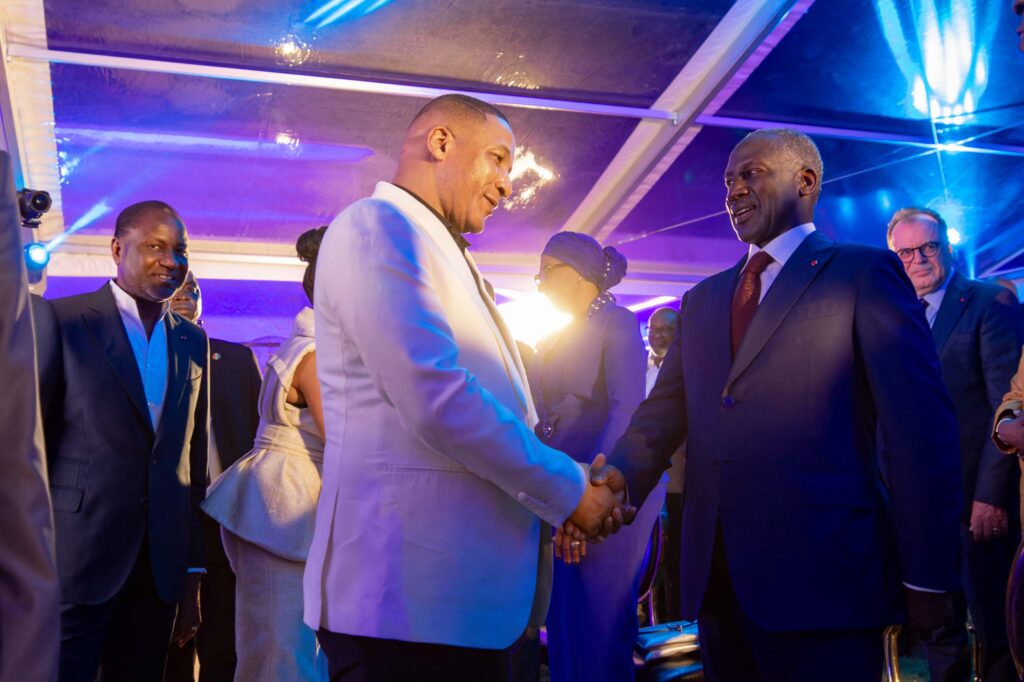
“We are here not simply to showcase our achievements, but to build our new partnership with Côte d’Ivoire, with West Africa and the wider international investment community,” President Boko said. The relationship between Botswana and Côte d’Ivoire offers an interesting starting point. Both countries have natural resources that occupy important positions in their respective economies, although their strengths lie in different sectors. Botswana’s diamond industry and Côte d’Ivoire’s gold and cocoa industries present opportunities to explore collaboration across extraction, processing, manufacturing and trade.
At SIREXE, President Boko spoke about the possibilities of bringing together Botswana’s diamonds and Côte d’Ivoire’s gold, alongside the jewellery, craftsmanship and creative industries that connect the two resources.
One of the more revealing moments in the conversation came through a seemingly simple observation about chocolate. Reflecting on a visit to a chocolate factory in Côte d’Ivoire, President Boko described being struck by the quality of the locally processed product.
It was a small detail that illustrated a much larger economic argument. A country’s relationship with its resources changes when it develops the capacity to process them, transform them and bring finished products to market. The value is no longer limited to what can be extracted and sold. It expands into manufacturing, skills development, employment, intellectual property and the industries that grow around production. The same thinking applies to Africa’s mineral economies. The continent’s natural resources have long been central to international supply chains, but the opportunity ahead lies in developing stronger domestic and regional industries around them. From jewellery production and mineral processing to manufacturing and creative enterprise, there is room for African countries to build commercial relationships that extend beyond the export of raw materials.
For Botswana and Côte d’Ivoire, this creates the possibility of a partnership built not simply around what each country produces, but what they can collectively develop. It also reflects a broader ambition to strengthen economic relationships between Southern and West Africa, connecting markets, investors and industries that have not always been sufficiently integrated.
The ambition, of course, comes with its own demands. Diversifying an economy that has relied heavily on a single mineral resource requires sustained investment, infrastructure, technical expertise and consistent policy direction. Building local processing capacity also means competing in industries where international players have established advantages. And creating opportunities for young entrepreneurs requires more than announcing funding initiatives; it requires an environment in which businesses can access capital, develop expertise and grow.
But Botswana’s next chapter is increasingly being framed around these questions. How does a country turn the revenues of its natural resources into industries that can generate value independently? How does it ensure that its citizens participate more meaningfully in the wealth those resources create? And how can partnerships with other African economies help make that transition possible? These are questions that extend beyond Botswana. They speak to a continent increasingly interested in reconsidering its position within the global economy, particularly as the demand for critical minerals, energy resources and new industrial supply chains creates fresh opportunities for African markets.
As Boko put it, “the future is bright, it is sparkling, I think it is scintillating.” There is something fitting about the language of diamonds being used to describe a future that must extend beyond them. Sixty years after Botswana’s diamond industry began reshaping its economy, the country’s next achievement will depend on what it can build from that legacy: stronger industries, more diversified sources of wealth, a generation of entrepreneurs and partnerships that allow more of Africa’s resources to create value within Africa.
The diamonds helped build modern Botswana. The question now is what Botswana will build next.
Botswana Is Turning 60 Years of Mineral Leadership Into a Blueprint for Its Economic Future

NAACP Image Awards Introduces 10 New African Categories for 2027 Edition
Nigeria’s NGX Group Acquires a 10% Stake in Kenya’s Nairobi Securities Exchange