
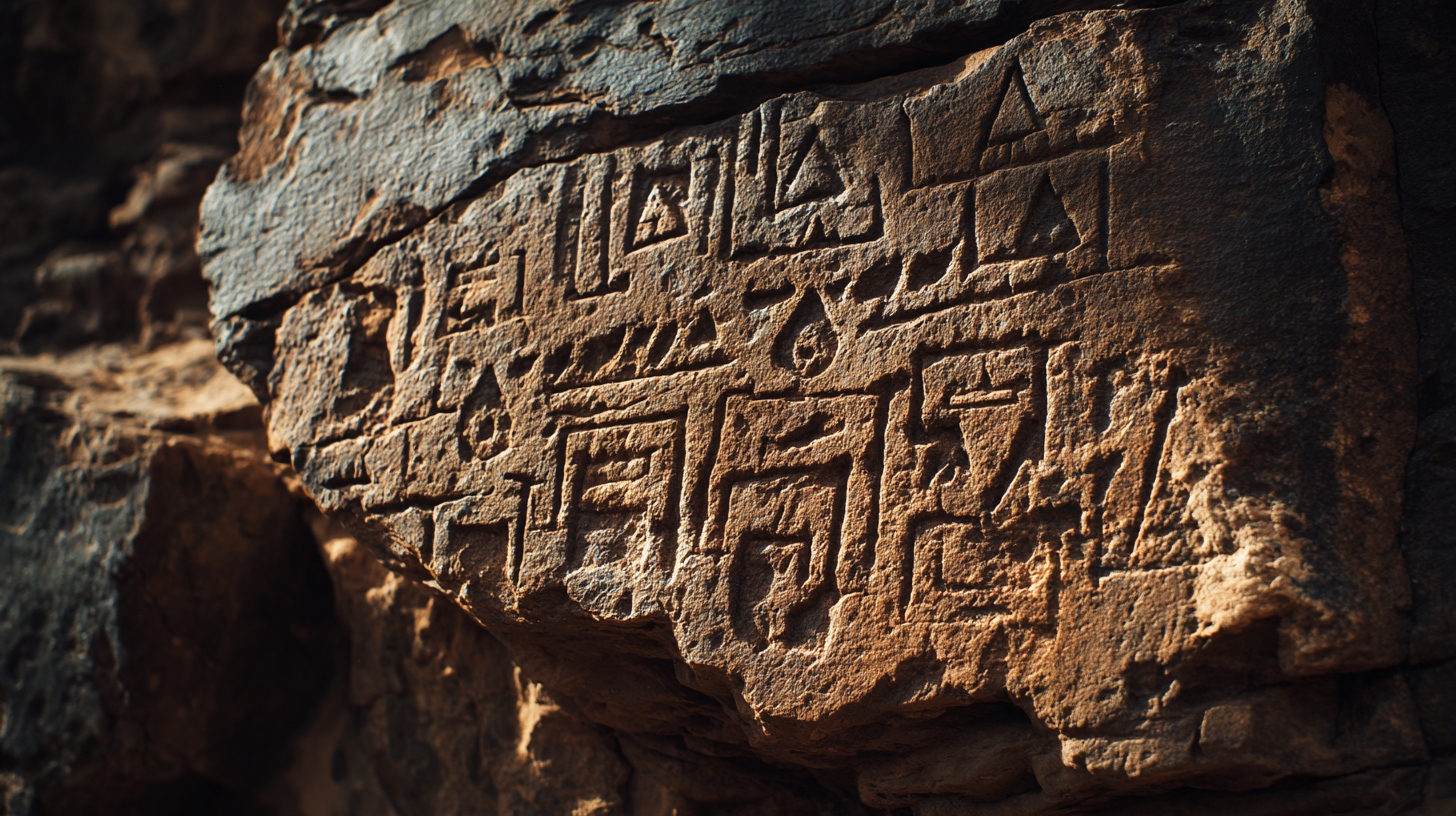
When people talk about the history of writing, the conversation usually begins somewhere else.
They tend to credit places like Mesopotamia, Greece. And Rome. With the biggest credit Africa gets for this being the Egyptian hieroglyphs
That is a problem because Africa has a much longer and more complicated writing history than the popular image of the continent as primarily an “oral” society suggests. For example, Ancient Egyptian hieroglyphs emerged in northeastern Africa more than 5,000 years ago, while the Meroitic script later developed in the Kingdom of Kush. In more recent centuries, communities across Africa created their own scripts to write languages including Vai, Mende, Bamum, Somali, Mande languages and Fulani.
Some are still used today but unfortunately many others have largely disappeared from everyday use even though they remain important records of African intellectual and cultural history.
1. Egyptian hieroglyphs (Egypt)
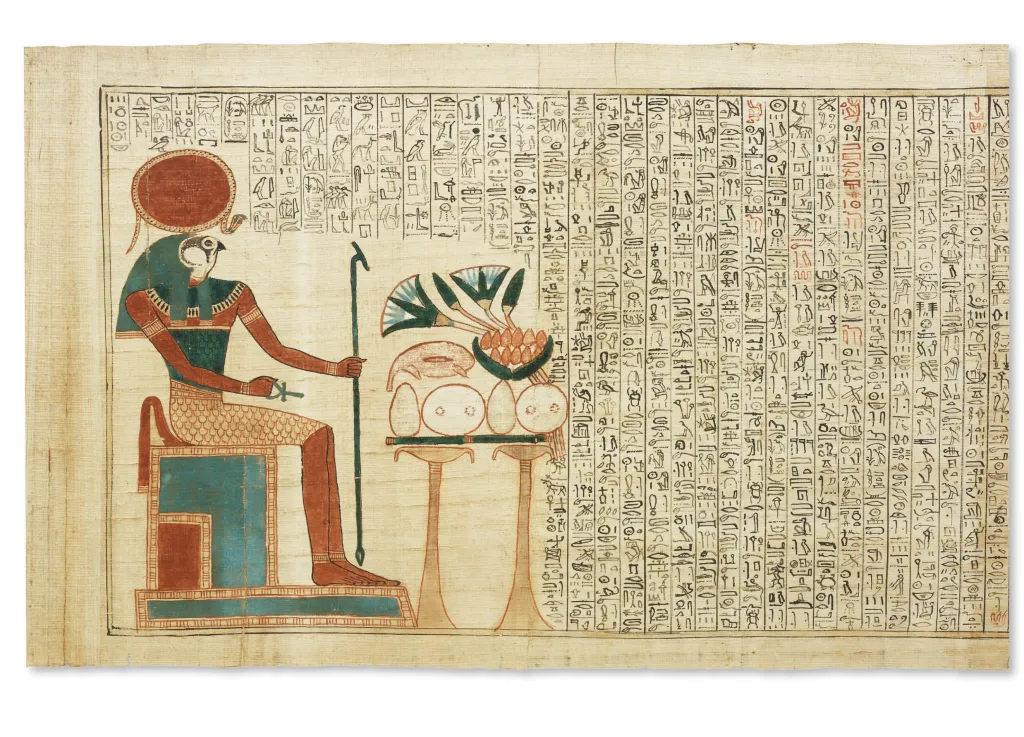
Of course, we have to start with one of the world’s most famous writing systems and perhaps the most popular one out of Africa. Ancient Egyptian hieroglyphs emerged in the Nile Valley around the late fourth millennium BCE. Most evidence places the development of Egyptian writing around 3300–3100 BCE, making it one of the world’s earliest known writing systems.
Hieroglyphs worked by using images of people, animals, objects and other forms as signs. Over time, signs could represent sounds, words or concepts, creating a sophisticated writing system used for religious texts, royal inscriptions, administrative records and other purposes.
Egyptian writing also evolved. Hieroglyphic writing existed alongside forms such as hieratic and demotic, before Coptic eventually became the principal written form of the Egyptian language.
Its influence also extended beyond Egypt. The ancient Meroitic writing system developed in Nubia and borrowed elements from Egyptian writing traditions.
2. Ge’ez (Ethiopia and Eritrea)
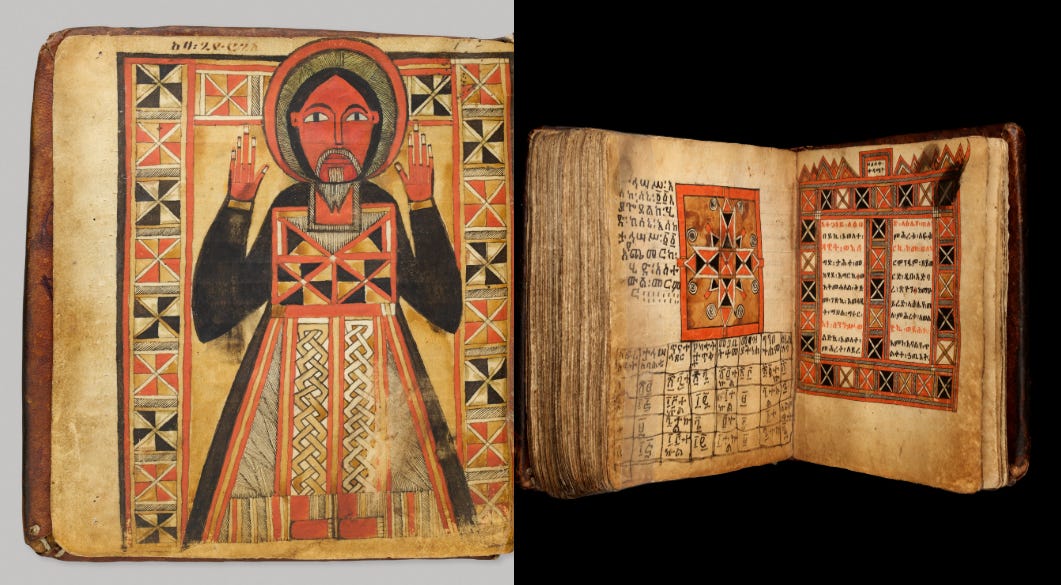
Ge’ez is one of Africa’s oldest surviving writing traditions. The script developed in the Horn of Africa and became the writing system of the Ge’ez language. It remains particularly important to Ethiopian and Eritrean Christian traditions and is used today for languages including Amharic and Tigrinya in adapted forms.
Unlike an alphabet where individual letters generally represent individual consonants or vowels, Ge’ez is an abugida: its characters represent consonant-vowel combinations, with modifications indicating different vowels.
Its history is closely connected to the ancient Kingdom of Aksum and to centuries of Ethiopian literary and religious culture and the script is still visible today in manuscripts, religious texts, inscriptions and contemporary publications.
3. Tifinagh (North Africa and the Sahara)
Tifinagh has a very anicent history. The broader Tifinagh family is connected to ancient Libyco-Berber inscriptions, although the exact development and dating of the different forms are subjects of scholarly study.
Tifinagh is also associated with Amazigh communities across North Africa and the Sahara, particularly the Tuareg. Today, Neo-Tifinagh is used for modern Amazigh languages, particularly in Morocco, where it has an official role in writing Tamazight.
4. Vai (Liberia and Sierra Leone)
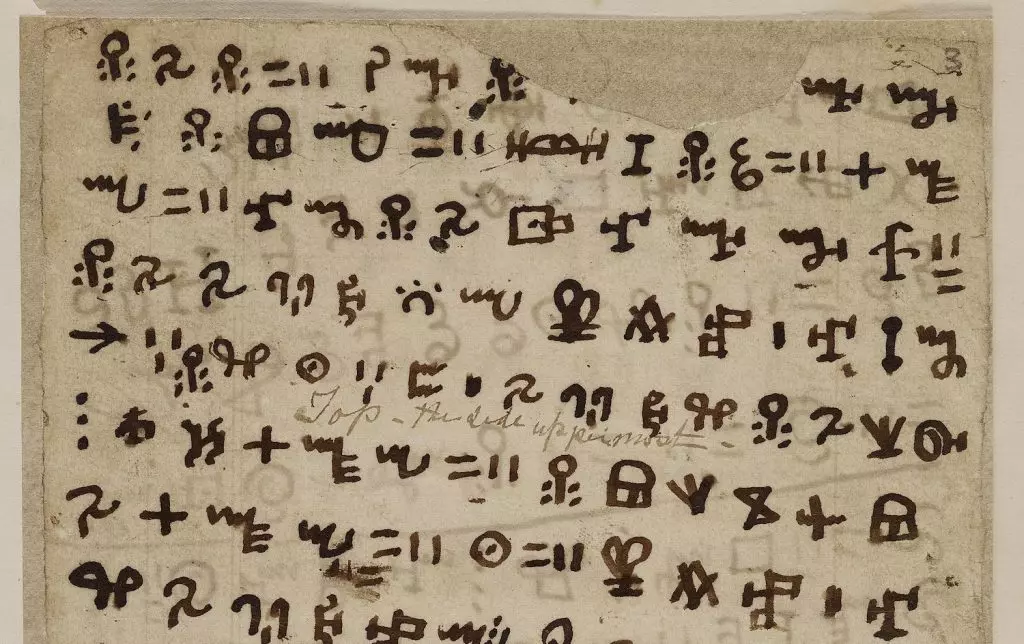
The Vai script has a truly fascinating story attached to it. It was developed in the 1830s by members of the Vai community in Liberia, making it one of the best-known examples of a modern African script developed independently of European writing systems.
Vai is a syllabary, meaning its characters represent syllables rather than individual consonants and vowels.
The script was developed to write the Vai language and was used for correspondence, records and other forms of communication.
It is also significant because scholars have studied Vai as an example of how new writing systems can emerge within communities, including in circumstances where formal literacy education is limited. Research into West African scripts has identified dozens of script inventions since the 1830s.
5. N’Ko (West Africa)
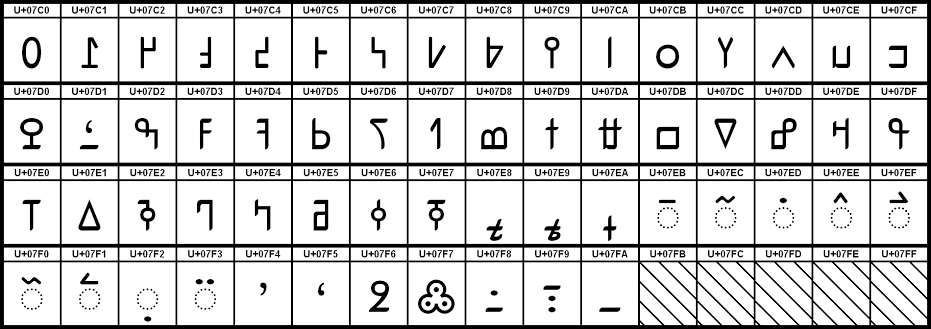
N’Ko is one of the most important modern African writing systems.
It was created in 1949 by Solomana Kanté, a Guinean scholar, as a writing system for Mande languages and the name “N’Ko” means “I say” in several Mande languages.
Unlike Latin-based writing, N’Ko is written from right to left. It was designed to make it possible for speakers of Mande languages to write their languages using a dedicated script rather than relying on the orthographic conventions of colonial languages.
N’Ko has been used for literature, education, religious texts, newspapers and other forms of communication across parts of West Africa.
It has also been incorporated into the digital world through Unicode, meaning computers and phones can represent N’Ko characters.
6. Bamum (Cameroon)
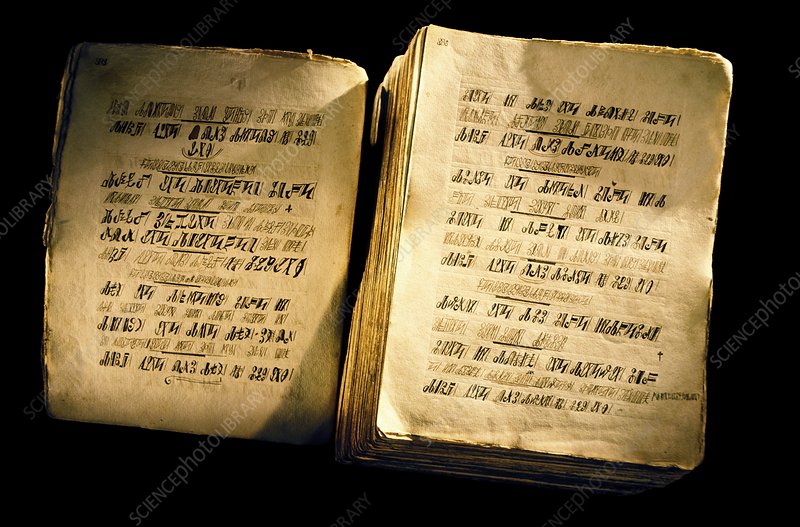
Bamum script. Book written in the a-k-a-u-ku alphabet invented by King Ibrahim Njoya of the Bamum people of Cameroon at the turn of the 20th century. The alphabet consists of 80 glyphs, including numerals. Under French rule (from 1919) of the Cameroon, teaching of the alphabet was banned and many books and printing presses were destroyed. After independence (in 1960) surviving scripts were collected and teaching of the alphabet was reinstated.
The Bamum script was developed in the Bamum Kingdom of present-day Cameroon during the reign of King Njoya.
The writing system evolved since it was first created, moving through several stages as Njoya and his court refined it. Unicode describes the Bamum script as a syllabary developed between 1896 and 1910 and used to write the Bamum language.
King Njoya used the script for administrative purposes and encouraged its development within his kingdom.
The story becomes particularly interesting because the script wasn’t merely a writing experiment. It was connected to the organisation and preservation of knowledge within a functioning African state.
7. Osmanya (Somalia)
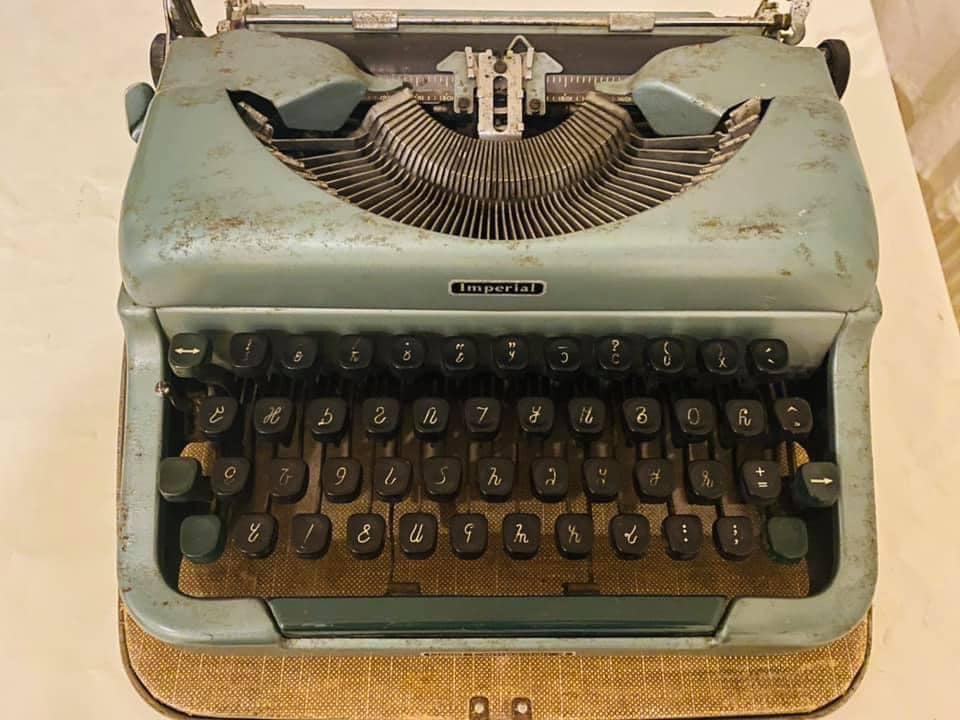
Osmanya was created in the early 20th century by Osman Yusuf Kenadid as a script for the Somali language.
It is an alphabetic writing system and is written from left to right. The creation of Osmanya was part of a wider period in which Somali intellectuals experimented with different ways of representing the Somali language in writing.
The script was eventually displaced in official use after Somalia adopted a Latin-based orthography in 1972.
But Osmanya remains an important part of Somali linguistic history.