
The world is heading towards what could become one of the strongest El Niño events ever recorded, with potentially serious consequences for Africa’s food supply, agriculture, water security, energy production and public health. The developing El Niño could be the most intense since records began in 1950. The US Climate Prediction Centre (CPC) estimates a 60% chance the event will reach historic levels.
Parts of the United States’ West Coast have already experienced heavy flooding. Countries across South and Central America, as well as the Philippines and the US, have also issued regional or state-level declarations as they prepare for or respond to El Niño-related risks, including drought, flooding and storms. The El Niño developing in the Pacific is expected to strengthen towards the end of 2026 and persist into early 2027, potentially intensifying extreme heat and worsening drought conditions across parts of Africa.
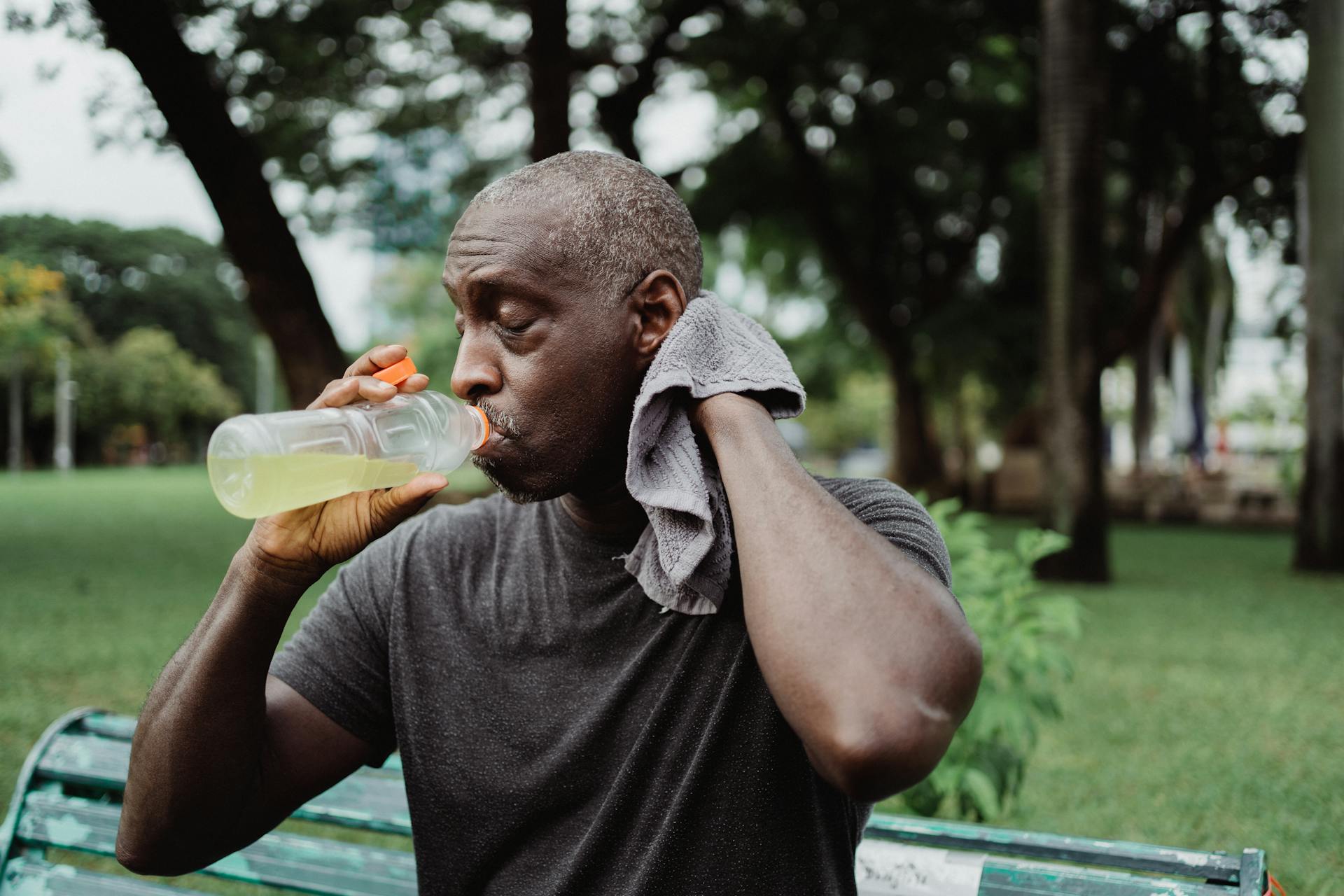
However, its effects will vary across the continent. While Southern Africa faces the prospect of severe drought and prolonged dry spells, parts of the Horn of Africa could experience unusually heavy rainfall and heightened flooding risks. The danger extends beyond rising temperatures. Extreme heat can cause dehydration and heat exhaustion, organ damage and death. It can also increase demand for ambulance services and emergency department visits, while placing additional pressure on the electricity, water and transport systems that communities depend on. Southern Africa is among the regions facing the most significant climate risks associated with this El Niño, with below-average rainfall threatening agricultural production, water availability and food security. The consequences could also be severe in West Africa. A projection by Climate Impact Lab, reported by The Radar, estimates that Nigeria could record approximately 31,400 additional heat-related deaths over the six months beginning in September 2026, compared with an average year.
As the event develops, its impact on temperatures, agricultural production and food prices could become a major concern for governments and communities across the continent.

Super El Niño Could Bring Extreme Heat, Drought and Flooding to Africa

Dangote Gets Legal Reprieve as Court Refuses to Block His $335 Million Pipeline Investment
South Africa Named the World’s Most Desirable Destination for Nature and Wildlife