
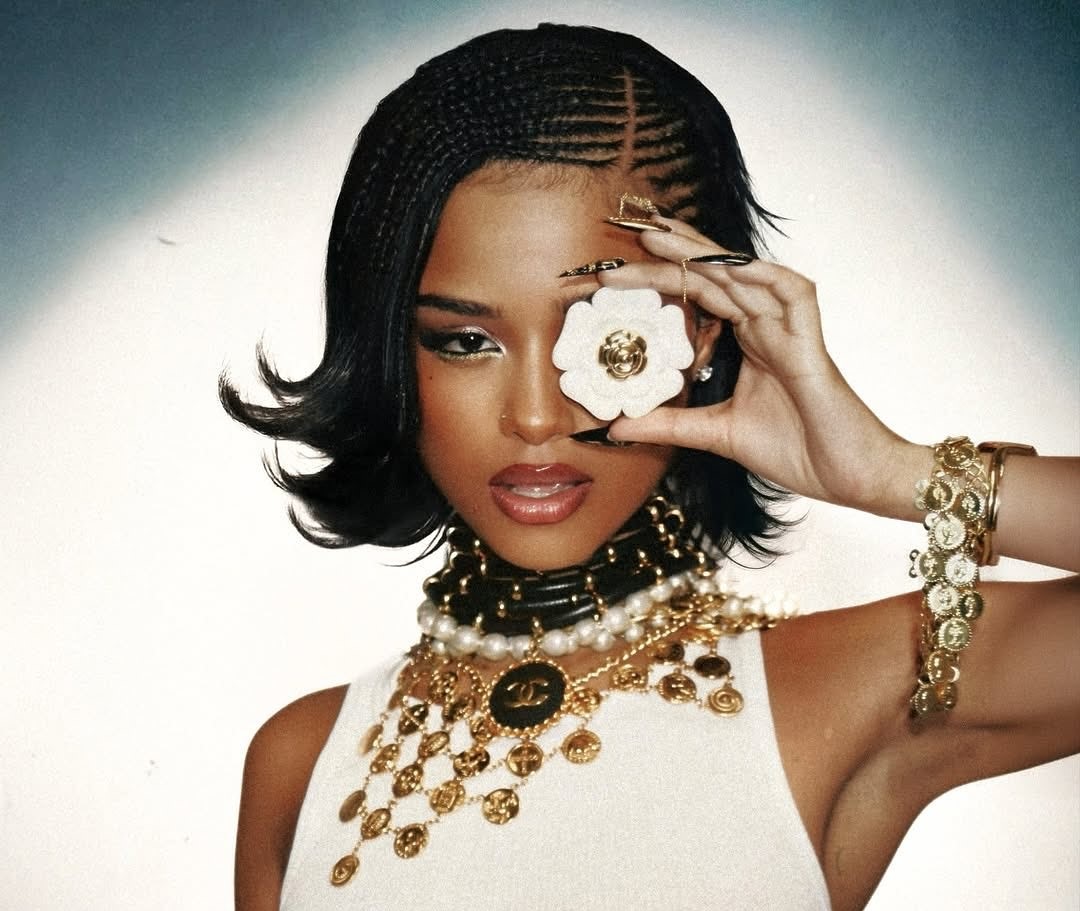
There was a time when African stardom followed relatively predictable routes. A musician dominated radio in Lagos, Johannesburg or Nairobi, secured television visibility, sold physical records, toured locally and if circumstances aligned perhaps crossed into Europe or North America through diaspora support or Western industry co-signs. Today, that framework feels almost obsolete.
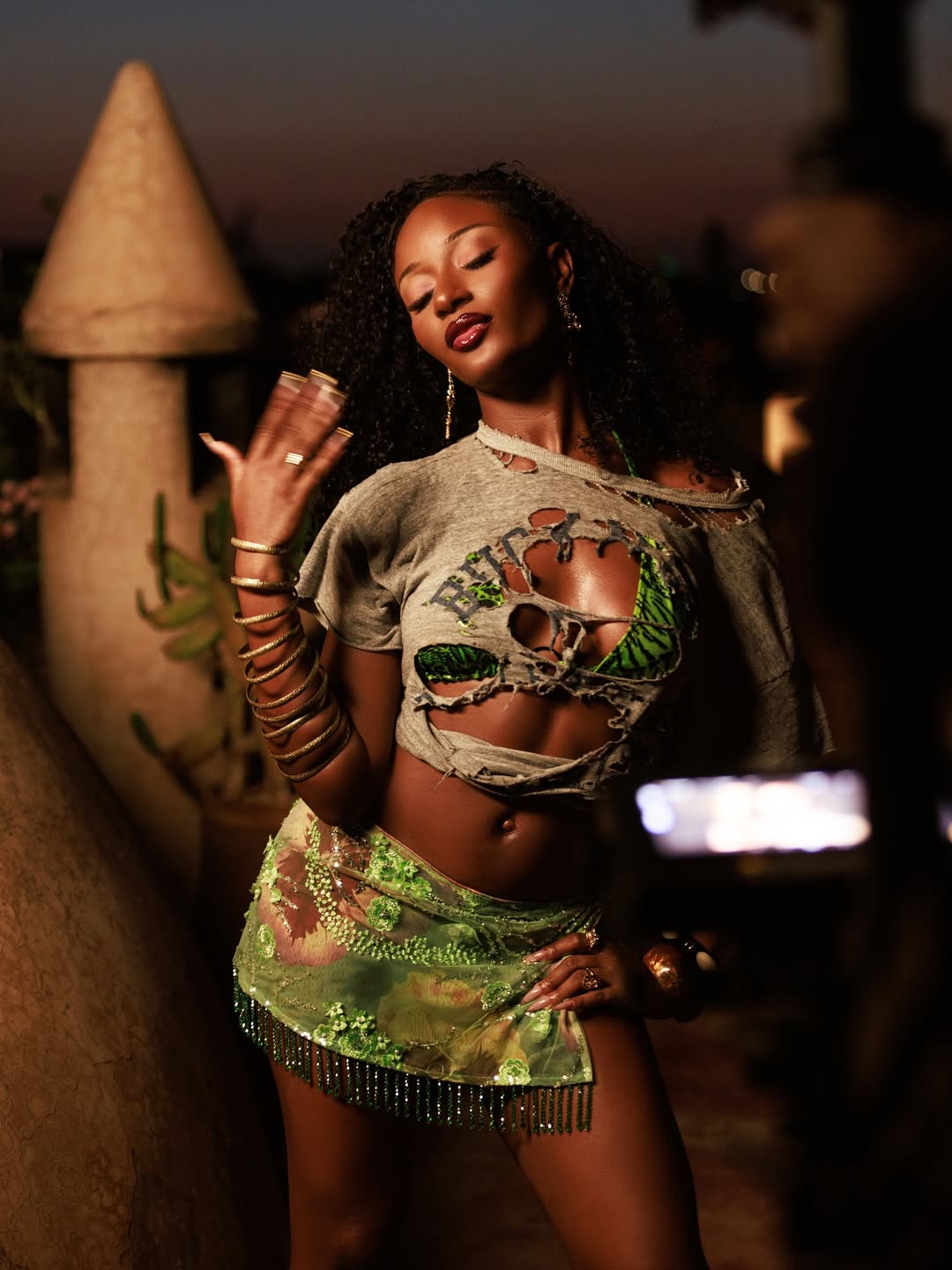
@ayrastarr
African fame in 2026 operates inside an entirely different ecosystem: one shaped by streaming platforms, social media algorithms, global fandoms, fashion economies, digital intimacy and cultural portability. African stars are no longer simply entertainers competing for local relevance. They are increasingly operating as transnational cultural figures capable of influencing conversations across music, fashion, beauty, film, sports and internet culture simultaneously.
What has emerged is a new equation for celebrity on the continent and it is one where talent alone is insufficient. The modern African star must function as a cultural ecosystem. And importantly, Africa is no longer producing stars solely for export. The continent itself is becoming one of the world’s most influential engines of youth culture.
The End of Gatekeeper Stardom
For much of the 20th century and early 2000s, African celebrity culture was mediated through institutional gatekeepers: television stations, radio conglomerates, newspapers, record labels and political influence. Success was geographically constrained.
An artist could become enormously famous in Nigeria while remaining largely unknown in East Africa. Francophone and Anglophone celebrity ecosystems often existed in parallel with limited crossover. Film industries operated largely within regional distribution limitations. Fashion visibility depended heavily on access to Western publications or luxury industry validation.
Digital platforms shattered those barriers. The rise of YouTube, Audiomack, Boomplay, TikTok, Instagram and streaming services fundamentally transformed how African audiences consumed culture — but more importantly, how African culture traveled globally. For the first time, African artists could bypass traditional international gatekeepers and reach audiences directly.
The numbers illustrate the scale of this transformation.
According to the International Federation of the Phonographic Industry (IFPI), Sub-Saharan Africa became one of the fastest-growing music markets globally during the streaming era, with streaming revenues driving the overwhelming majority of industry growth. Meanwhile, Spotify reported massive year-on-year increases in global consumption of Afrobeats and amapiano throughout the early 2020s, while TikTok transformed African sounds into viral global phenomena.
This created a new reality: African stardom was no longer limited by local infrastructure. Instead, visibility became algorithmic.
Afrobeats and the Architecture of Global Fame
@tyla
No genre illustrates the restructuring of African celebrity more clearly than Afrobeats. Over the last decade, artists like Wizkid, Davido and Burna Boy transformed African pop music from a regional commercial force into one of the defining sounds of global youth culture.
But the significance of Afrobeats extends beyond chart success. The genre effectively rewrote assumptions about where cultural authority could originate. Historically, global pop culture largely flowed outward from American and European capitals. African artists seeking international recognition were often expected to assimilate into Western music systems. Afrobeats disrupted that dynamic by proving African music could scale globally while retaining its accents, slang, rhythmic structures and cultural specificity.
The commercial indicators became impossible to ignore.
In 2023, Rema’s “Calm Down” became one of the most globally successful African songs in history, aided by a remix featuring Selena Gomez. Tems earned Grammy wins and major songwriting credits while maintaining a distinctly Nigerian sonic identity. Burna Boy sold out stadiums internationally, including London Stadium in the UK and Citi Field in New York.
These moments represented more than personal achievements. They signaled that African artists no longer needed to dilute their cultural identities to achieve global scale. Instead, authenticity itself became commercially valuable.
The Rise of the Multi-Hyphenate African Star
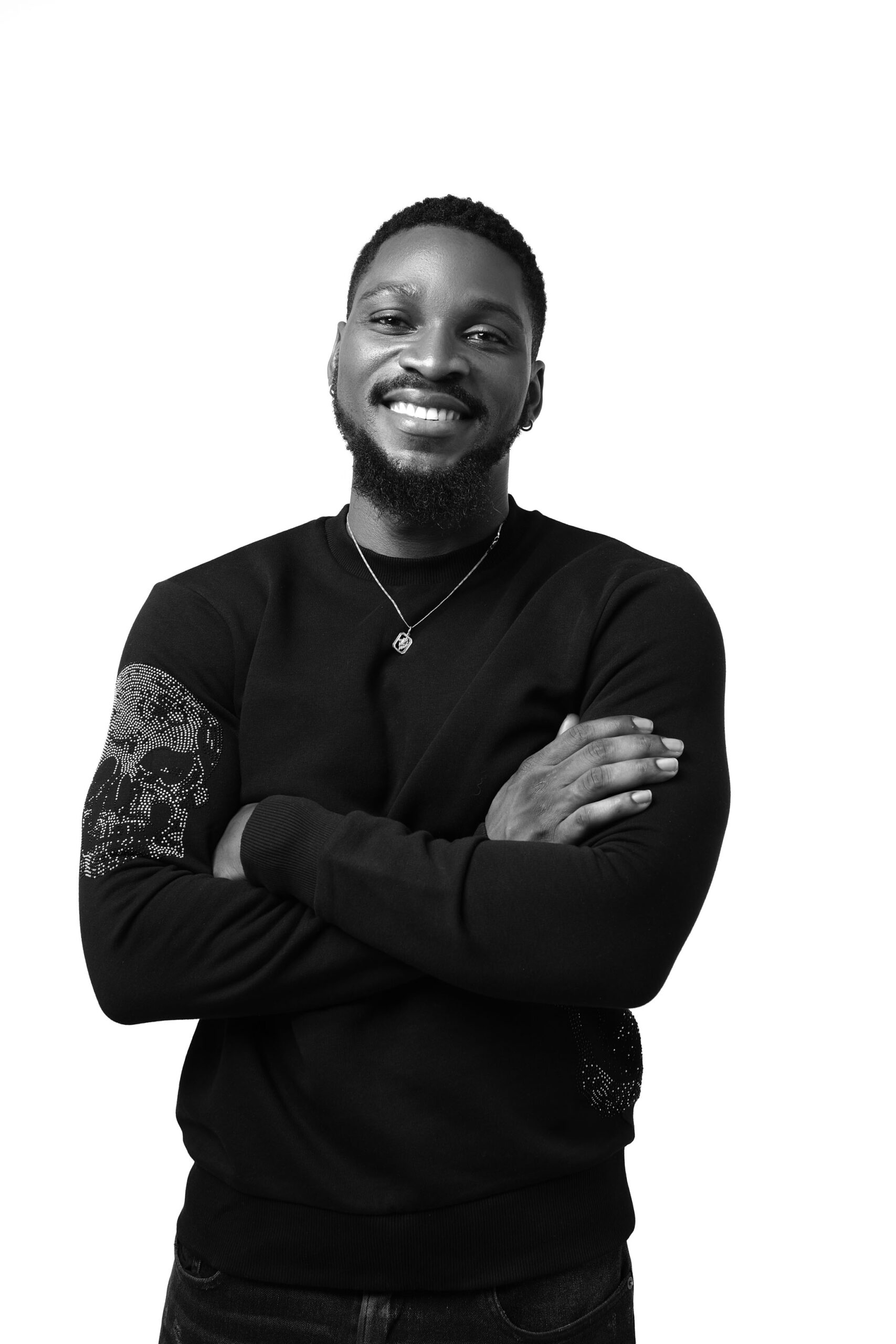
Credit: META
In many ways, the African celebrity has become a media company. Tyla represents one of the clearest examples of this shift. Her ascent was not powered exclusively by music consumption but by visual virality. Her aesthetics, choreography, beauty presentation and internet-friendly image became inseparable from her sound.
Similarly, Ayra Starr has cultivated a public image that blends Gen Z internet fluency, fashion-forward styling and aspirational femininity into a highly recognizable cultural identity. Her celebrity exists simultaneously across music streaming, TikTok culture, beauty discourse and fashion ecosystems.
This reflects a broader transformation in how fame functions globally. Audiences no longer simply consume content. They consume personalities, lifestyles and narratives. As a result, African stars are increasingly required to operate across multiple cultural sectors at once.
The transformation extends beyond music. Streaming platforms fundamentally altered African film and television visibility during the 2020s. Historically, Nollywood and other African film industries operated within regional distribution limitations despite enormous output and audience demand.
Platforms like Netflix, Prime Video and Showmax expanded African storytelling into global recommendation systems. This dramatically changed the scale of recognition available to African actors. Actors who may once have remained regionally famous suddenly became internationally visible through streaming discovery. Nigerian productions such as Blood Sisters, Anikulapo and Shanty Town generated substantial international attention, while South African productions increasingly entered global streaming conversations.
Actors like Kehinde Bankole, Osas Ighodaro and Thuso Mbedu now operate inside increasingly globalized entertainment systems where African visibility is no longer niche but commercially strategic. This visibility also shifted audience expectations. African actors are now expected to maintain digital identities alongside traditional performance careers. Social media presence, fashion partnerships and online engagement increasingly influence casting opportunities and commercial value.
The African actor, like the African musician, is now participating in the broader creator economy.
The Made By Africa, loved By The world 2026 Campaign
For the sixth edition of its pan-African campaign, Made by Africa, loved by the world: Where stories spark community, Facebook is turning its attention to one of the continent’s most powerful exports: storytelling with a focus on African cinema and the actors, producers and storytellers pushing it onto the global stage.
The campaign spotlights some of the most exciting names shaping film culture across Nigeria and South Africa right now. From Nollywood stars like Kehinde Bankole, Osas Ighodaro and Tobi Bakre to South African powerhouses Nomzamo Mbatha and Linda Mtoba, the series celebrates the talent redefining how African stories travel across the world.
At the center of the campaign is a five-part vodcast series hosted by leading African podcasts I Said What I Said (Nigeria) and Because We Said So (South Africa) featuring conversations with each star, exploring storytelling, identity, community and the impact African film continues to have far beyond the continent. Vodcast snippets are available on the Meta Africa Facebook page, with full episodes available on the podcast channels.
Amplify Africa is a proud media partner of the Facebook 2026 ‘Made by Africa, loved by the world’ campaign.