
The Continent Is Open for Business. ADIS26 Said It Is Time to Show Up.
Every generation of the African diaspora inherits the same unfinished conversation: we built lives elsewhere, now what do we build back home?
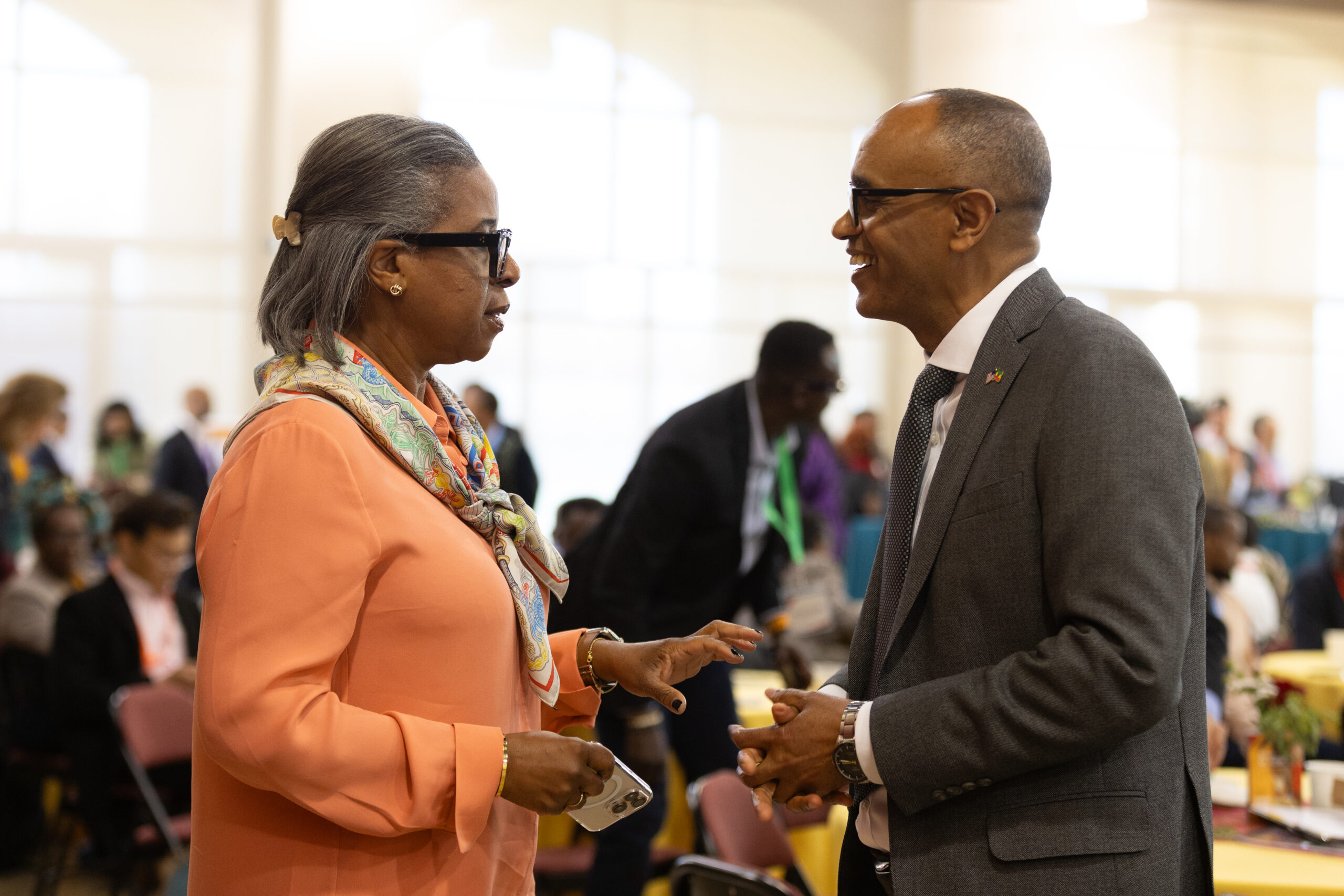
Last month at Santa Clara University, over 250 scientists, investors, founders and policymakers gathered for the 2026 African Diaspora Investment Symposium (ADIS26) to move that conversation from intention to action. I was in those rooms. I listened, I asked hard questions, and I left with the clear sense that what is happening inside this community right now is not a conference circuit. It is a reckoning.
The numbers tell part of the story. The African diaspora sends an estimated $100 billion home every year, twice all international development assistance combined, and generates over $200 billion in US revenue. Wealth exists. The will exists. What has been missing is the architecture to turn that goodwill into coordinated, strategic investment that actually reaches Africa's most urgent needs in health, technology, and infrastructure..
The Science Is Already Here. The System Is Not.
Less than three percent of global genomic data comes from Africa and yet Africa has the most genetically diverse human population on earth. We are the source and the afterthought, simultaneously. A Rwandan startup built a monoclonal antibody cancer treatment for $30. The same treatment costs over $2,000 in the West. Innovation is happening. What it needs is not charity. It needs capital, infrastructure, and diaspora scientists willing to stop publishing for Western journals and start building for African patients.
The Narrative Is the Investment Risk.
Countries like Greece and Argentina have gone bankrupt and still carry higher credit ratings than most African nations. African sovereigns pay an estimated $4.2 billion extra in interest costs because of negative media narratives, what speakers at ADIS26 called a “prejudice premium”. This is not a finance problem. It is a narrative problem. And the diaspora, sitting between the continent and the capital markets, is uniquely placed to amplify what Africans on the ground are already building - not as the sole authors of that story, but as the bridge that makes it impossible to ignore.
The ask to investors was straightforward: give African companies five years before judging return on investment. The same patience extended to Spotify, which took 16 years to turn a profit, should be extended to founders building in markets with less infrastructure and less margin for error. Liberty Bank, the largest Black owned bank in America, announced it is
completing the first ever financial exchange between a Black American owned bank and an African bank. Small in global finance terms. Historic in every other way.
Who Gets to Tell the Story?
By Day 3, everyone in their African best, the room had stopped making the case for Africa and started making plans for it. The closing note was ADIS27, headed to the continent! You could feel the weight of that: everything discussed in Silicon Valley will now have to be accountable to a different audience. Not diaspora professionals explaining Africa to American investors. Diaspora professionals standing on African soil. The creative and arts sector, the engine of cultural diplomacy, economic activity and the stories that make people care about all the other sectors, remains chronically under-invested. What ADIS27 on the continent represents is bigger than a change of location. It is the moment where every sector - biotech, fintech, AI, education, culture, policy - gets addressed not from a conference room in Silicon Valley but from the ground where the work actually happens. And for investors, that shift matters more than any pitch deck. You cannot misread a market you are standing inside. ADIS27 is not just an invitation to invest. It is an invitation to see exactly what you are investing in.
I came to ADIS26 as a journalist. I left as something harder to name: someone who spent three days in a room where the future of a continent was being argued over, funded, questioned, and slowly built.
The continent is open for business. The only question left is whether the diaspora will show up with the same energy it brings to every other room it has ever walked into.
ADIS27 is on the continent. Don’t watch from the sidelines. Subscribe to the African Diaspora Network’s newsletter and be the first to know!