
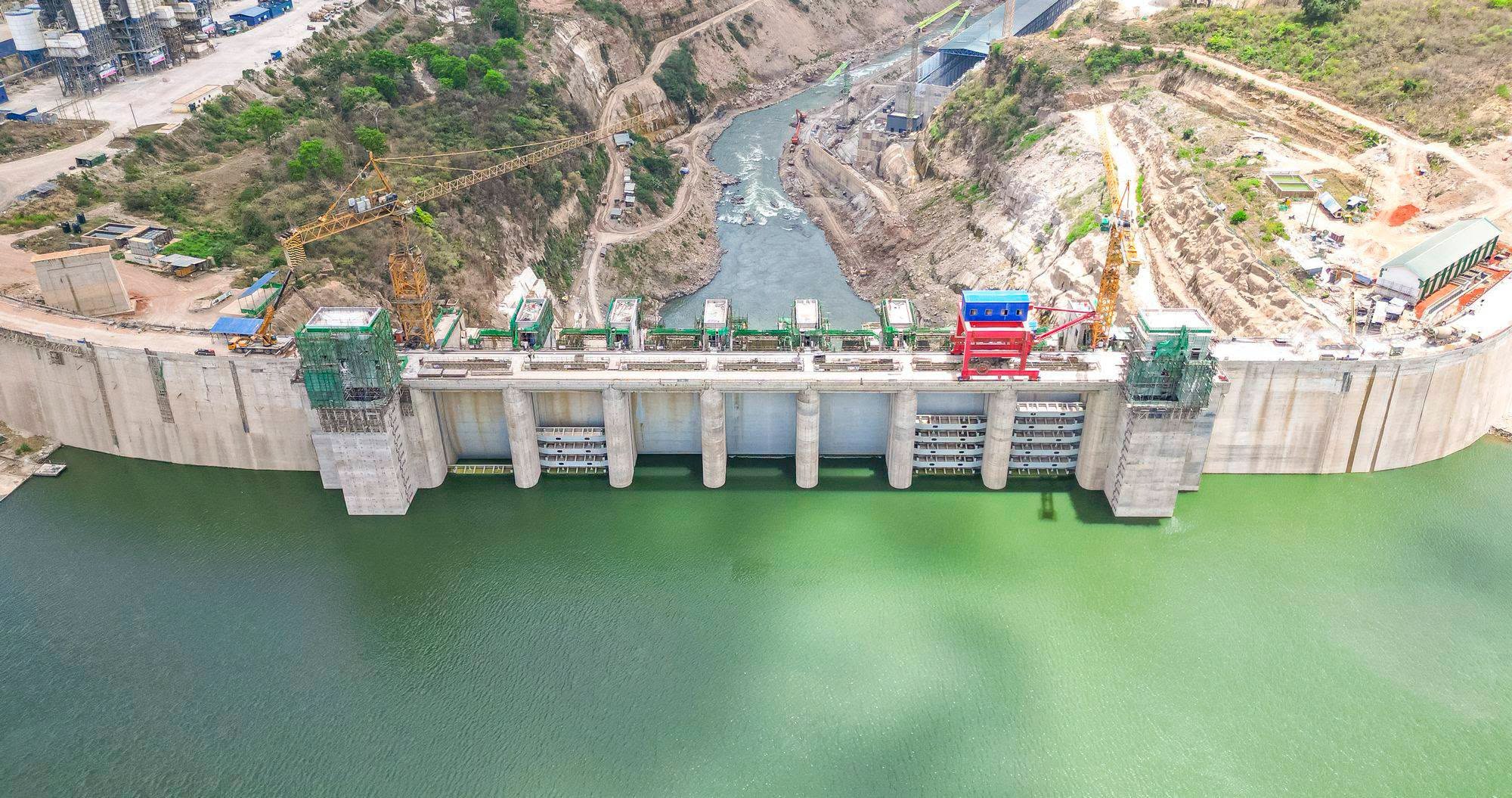
Tanzania has strengthened its electricity-generating capacity with the completion of the Julius Nyerere Hydropower Project, a 2,115-megawatt (MW) facility on the Rufiji River that ranks among Africa’s largest hydropower plants.
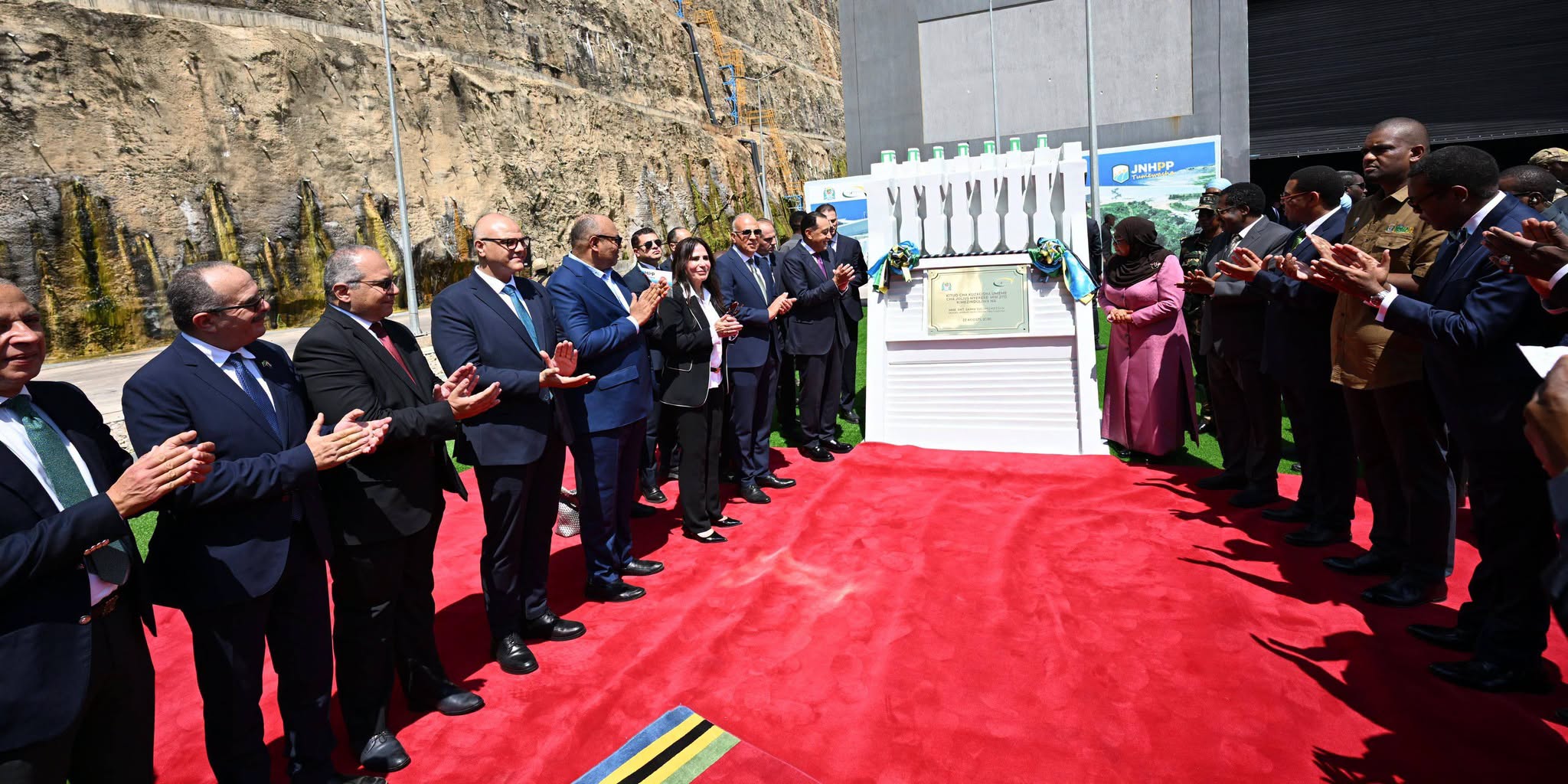
Image Credit: State Information Service
Tanzanian President Samia Suluhu Hassan officially inaugurated the project on August 22, 2026, alongside Egyptian Prime Minister Mostafa Madbouly. Built by Egyptian companies Arab Contractors and Elsewedy Electric, the facility represents a major investment in the country’s efforts to expand electricity access and meet growing demand. Located in southern Tanzania, the plant harnesses the Rufiji River, the country’s largest river system, to generate electricity for the national grid. Its nine generating units have a combined installed capacity of 2,115 MW, making it the largest power-generation facility in Tanzania’s history.
The project is the culmination of a decades-long ambition to harness the Rufiji River for power generation. Proposals to develop the river’s hydropower potential date back several decades, with the current project moving into construction in 2018. The Tanzanian government financed the development, which was awarded to the Egyptian consortium under a contract signed in December that year. Its impact on electricity supply is already significant. According to Tanzania’s electricity utility, the plant contributed 43.5 per cent of the electricity fed into the national grid in 2025, with its contribution rising to approximately half in 2026. Its capacity is expected to help improve energy security and support electricity-intensive industries, including manufacturing and agriculture.
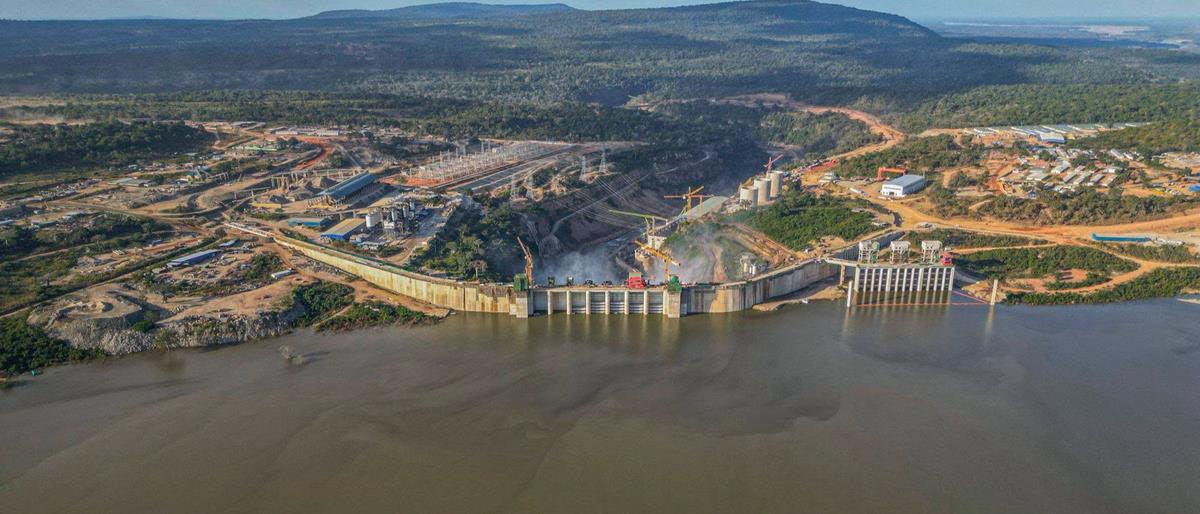
Image Credit: State Information Service
Beyond meeting domestic demand, the additional generating capacity could give Tanzania greater scope to explore electricity exports to neighbouring countries as regional power-trading networks develop. However, the benefits will depend on reliable generation, transmission infrastructure and the effective distribution of electricity to consumers.
The project has also drawn environmental scrutiny. The dam and its reservoir are located within the Selous Game Reserve, a UNESCO World Heritage property known for its wildlife and ecological diversity. UNESCO has raised concerns about the implications of large-scale dam construction within the protected area, highlighting the tension between expanding energy infrastructure and conserving natural heritage.
However, for Tanzania, the Julius Nyerere Hydropower Project is a landmark in its energy development strategy. Its long-term significance will depend not only on how much electricity it generates, but also on whether that power translates into more reliable supply for households, businesses and the wider economy.