The W.K. Kellogg Foundation has announced the How We Heal Short Film Lab semifinalists as part of a wider effort tied to the National Day of Racial Healing. The film initiative uses storytelling to explore how communities process harm, memory, and belonging across lived experiences.
Each year, communities across the United States observe the National Day of Racial Healing. The day creates space for honest conversation, reflection, and connection around the impact of racism. It speaks to Black communities, immigrant communities, and diasporas whose lives sit at the intersection of identity, history, and care.
The National Day of Racial Healing is hosted by the W.K. Kellogg Foundation and observed annually after Martin Luther King Jr. Day. It turns Dr. King’s legacy into lived practice by encouraging people to listen, name harm, and imagine more just futures together. For many across the African and global diaspora, the day carries deep resonance, linking personal memory to collective responsibility.
How We Heal Short Film Lab
The initiative invites emerging filmmakers to tell short, grounded stories centered on racial healing. Rather than offering easy answers, the lab prioritizes work that stays close to people, community, and lived truth.
This year’s semifinalists reflect a wide range of backgrounds, disciplines, and storytelling approaches. Together, their projects explore racial healing as a lived process, shaped by family, community, history, and quiet acts of resistance.
The lab is supported by a jury and mentor group drawn from film, television, and cultural leadership. Judges include Katie Soo, Sophie Watts, Mikael Moore, Miriam Bale, and Michael Skolnik. Mentors for the program include Gbenga Akinnagbe, Mika Pryce, Nihaar Sinha, Djaka Souaré, and Zoey Martinson. Their combined experience spans independent film, major studios, social impact work, and artist development.
Meet the How We Heal Short Film Lab Semifinalists
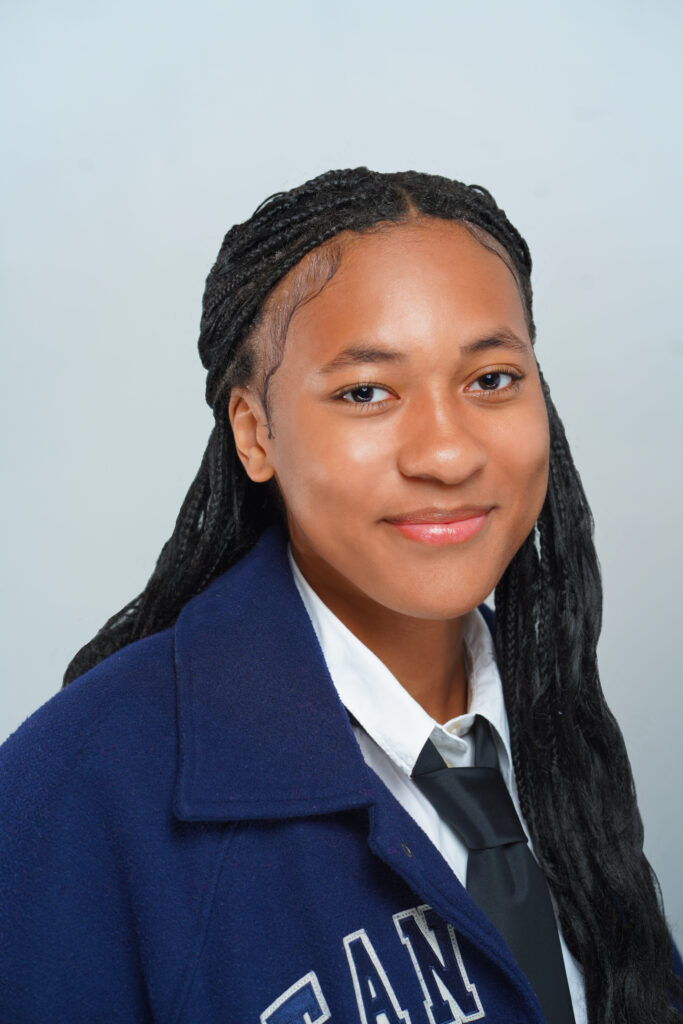
LANAA DANTZLER
Lanaa Dantzler
Dantzler is a filmmaker and actor from West Philadelphia whose work centers Black youth and interior emotional lives. Her semifinalist film, At the End of the World, follows a teenage girl navigating love, art, and joy during a fragile summer in Wildwood, New Jersey. Told through fragments, the film treats love as both inheritance and survival, returning to intimacy as a form of justice.
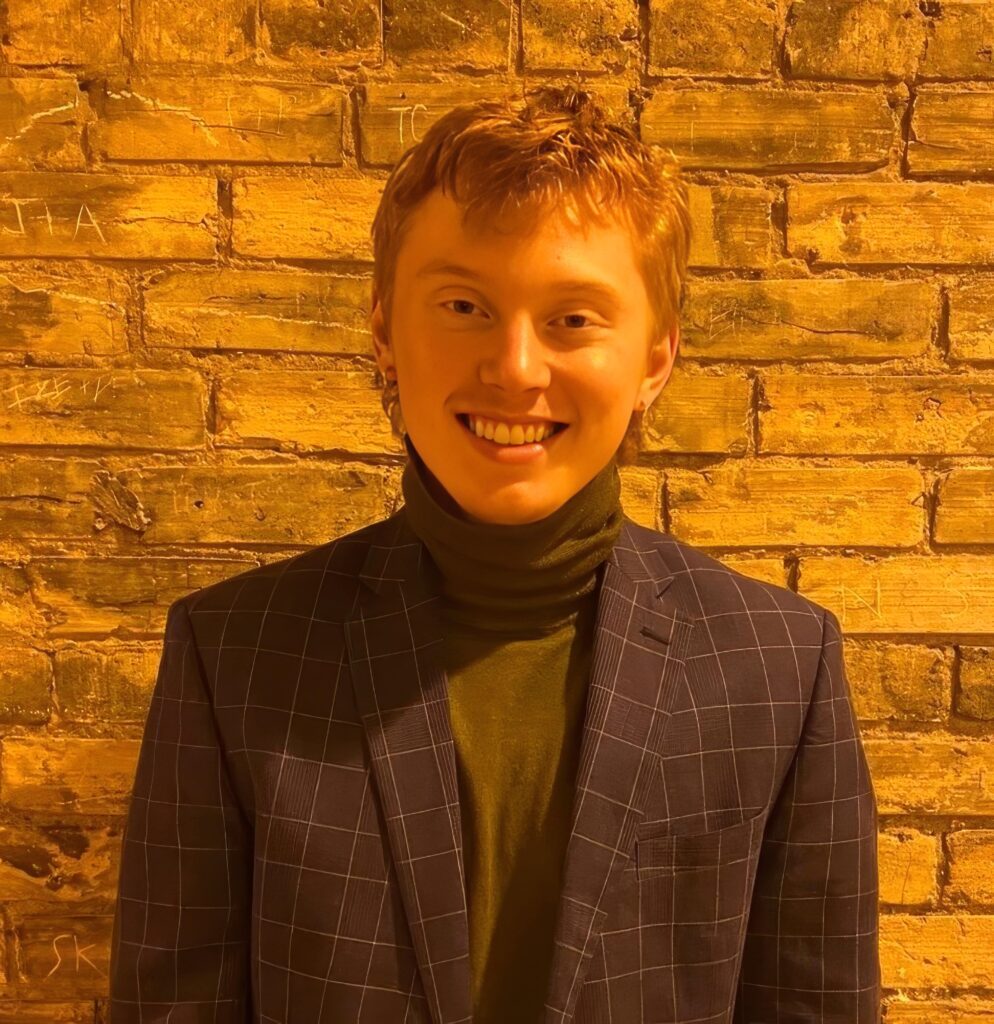
JERED EVERSON
Jered Everson
Based in Minneapolis, Everson brings a background in socially grounded documentary storytelling. His film offers a quiet portrait of Gwen Carr as she reflects on healing beyond public activism. The project focuses on private endurance, shared grief among mothers, and racial healing as an ongoing practice rather than closure.
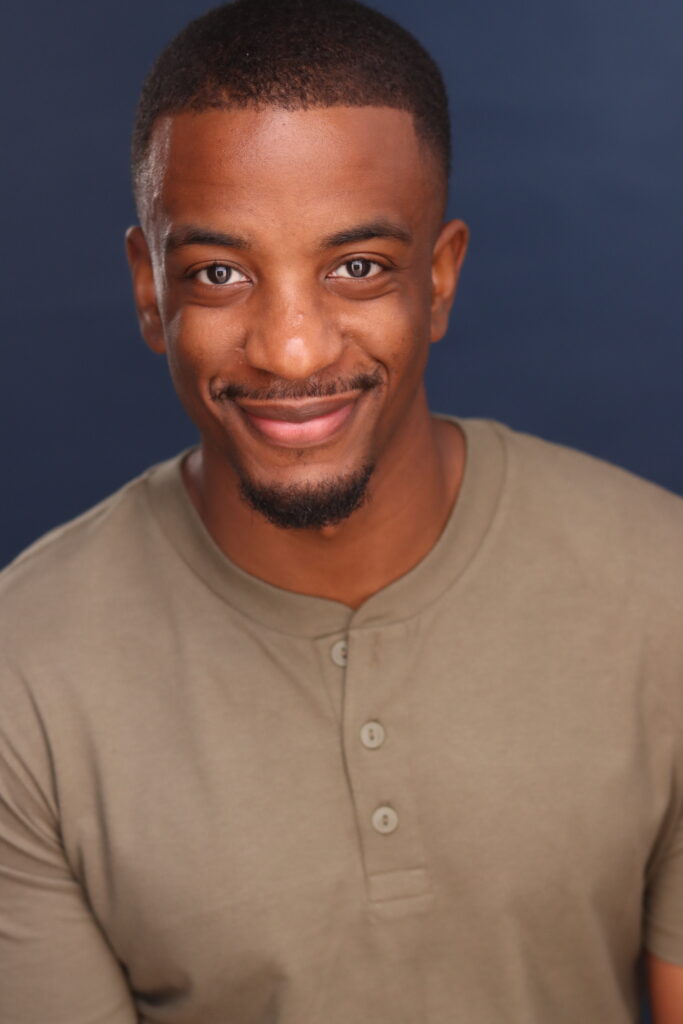
SAMUEL HUNTER
Samuel Hunter
An actor, writer, and producer from Jacksonville, Florida, Hunter steps into narrative filmmaking with A Meaningful Night. The film follows a young Black vlogger whose life shifts after recording a violent act. Rather than spectacle, the story stays with moral fatigue, fear, and the cost of survival in systems shaped by power.
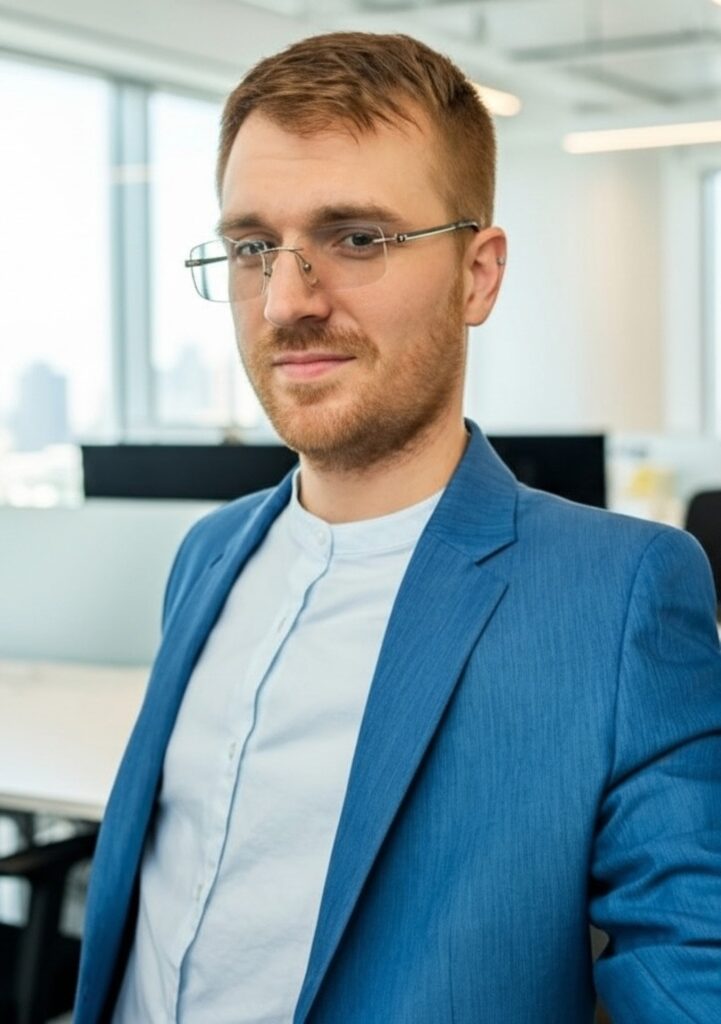
TY KAZY
Ty Kazy
Animator Ty Kazy creates work for young audiences that treats children as thoughtful observers of fairness and emotion. His animated short Wimee explores racial healing through everyday moments like sharing food and toys. The film uses simple situations to show how equal treatment does not always lead to fair outcomes.

EDWARD NGUYEN
Edward Nguyen
Nguyen’s work draws from displacement, memory, and queer Vietnamese identity. His film Sweat (Mồ Hôi) follows a farm worker preparing to leave Vietnam, tracing intimacy and longing during a final shared day. The story sits with silence, routine, and the emotional weight of departure.
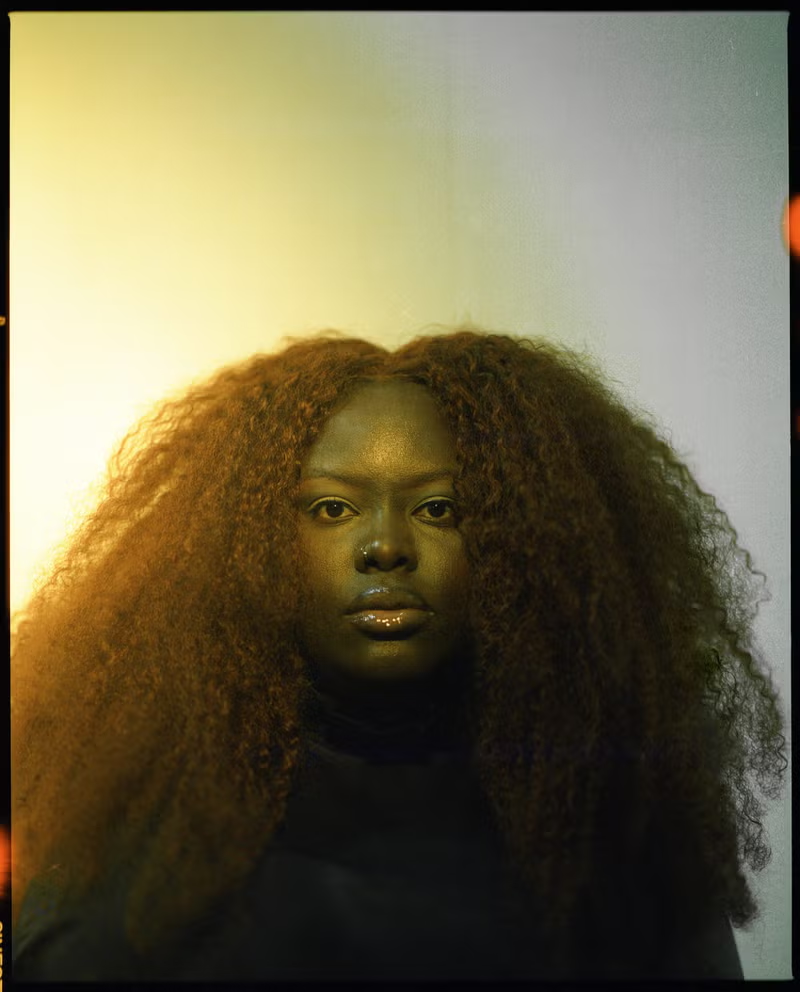
ALEXIS NOBLE
Alexis Noble
A cultural strategist and community builder based in Jackson, Mississippi, Noble’s film One Good Picture unfolds during a family gathering. When the family pauses to take a single photograph, the moment becomes an act of preservation and care. The film frames healing through memory, togetherness, and legacy.
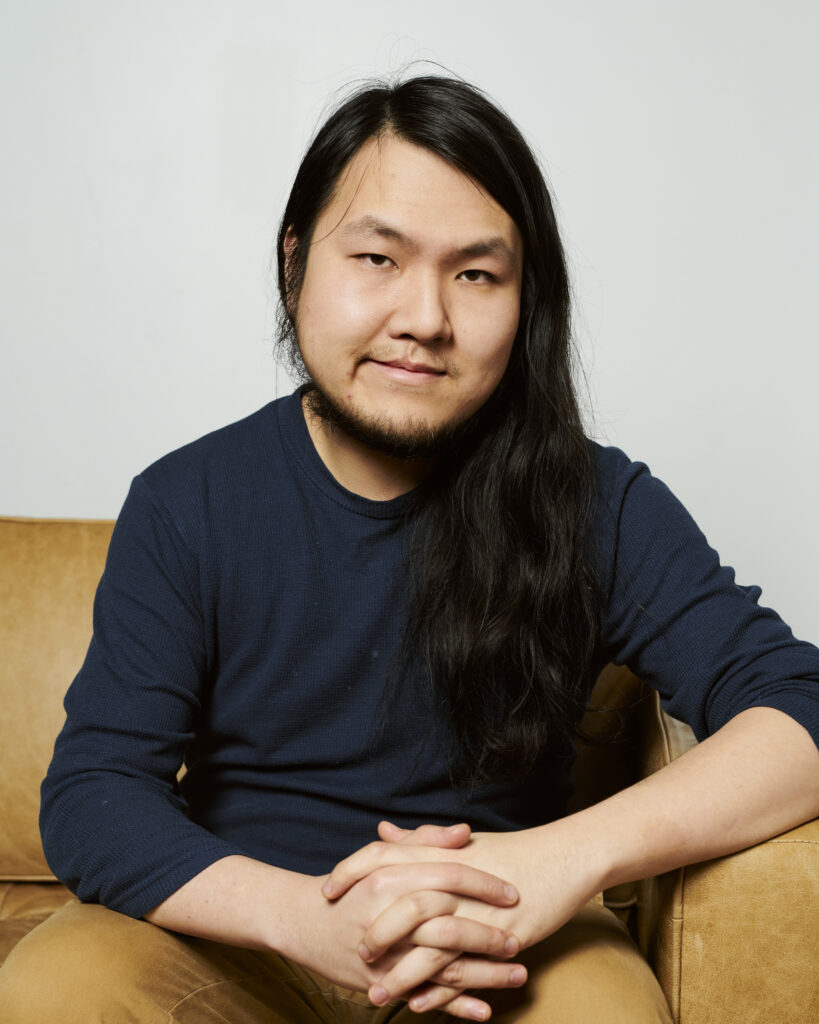
DAVID QUANG PHAM
David Quang Pham
Pham is an award-winning playwright and filmmaker whose work blends science and social reflection. Friend or Pho follows an elderly Black Vietnam War veteran and a Vietnamese refugee as they cook together in a senior center kitchen. Through shared food, the film explores trauma, empathy, and cross-cultural healing.

MARCUS POLK
Marcus Polk
Polk’s work treats storytelling as a tool for imagining more humane futures. His film Humanizer is set in a divided, techno-authoritarian society where art and dreaming are outlawed. Through the story of a journalist tasked with sanitizing human experience, the film asks what healing looks like in systems built to prevent it.

LATAJH SIMMONS-WEAVER
LaTajh Simmons-Weaver
Based in Oakland, Simmons-Weaver blends humor and irony to explore Black queer interior lives. That One Day They Told Us to Remember follows two non-white girls at an elite private school after a minor playground fight escalates. The film exposes how bias reshapes childhood conflict and where healing appears beyond punishment.
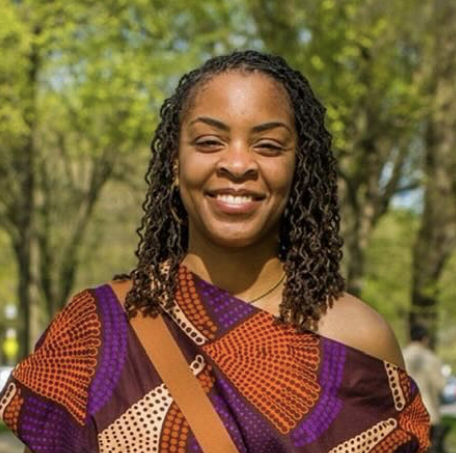
CASTEL SWEET
Castel Sweet
A documentary filmmaker rooted in the American South, Sweet’s untitled project follows the community members behind the Behind the Big House program in Mississippi. The film shifts attention from plantation homes to the enslaved people who shaped the region, using truth-telling and embodied history as tools for collective healing.
As the How We Heal Short Film Lab moves forward, these semifinalist projects show how healing stories resist spectacle. They stay close to people, memory, and the quiet choices that shape how communities endure.