

Even as African music continues to push itself to new heights, there is still so much left to discover on the continent. Across its many corners, artists and creatives are constantly pushing the boundaries of what African music can sound like. Yet, too often, some of the most interesting strides are being made by independent collectives working outside the traditional structures of the music industry.
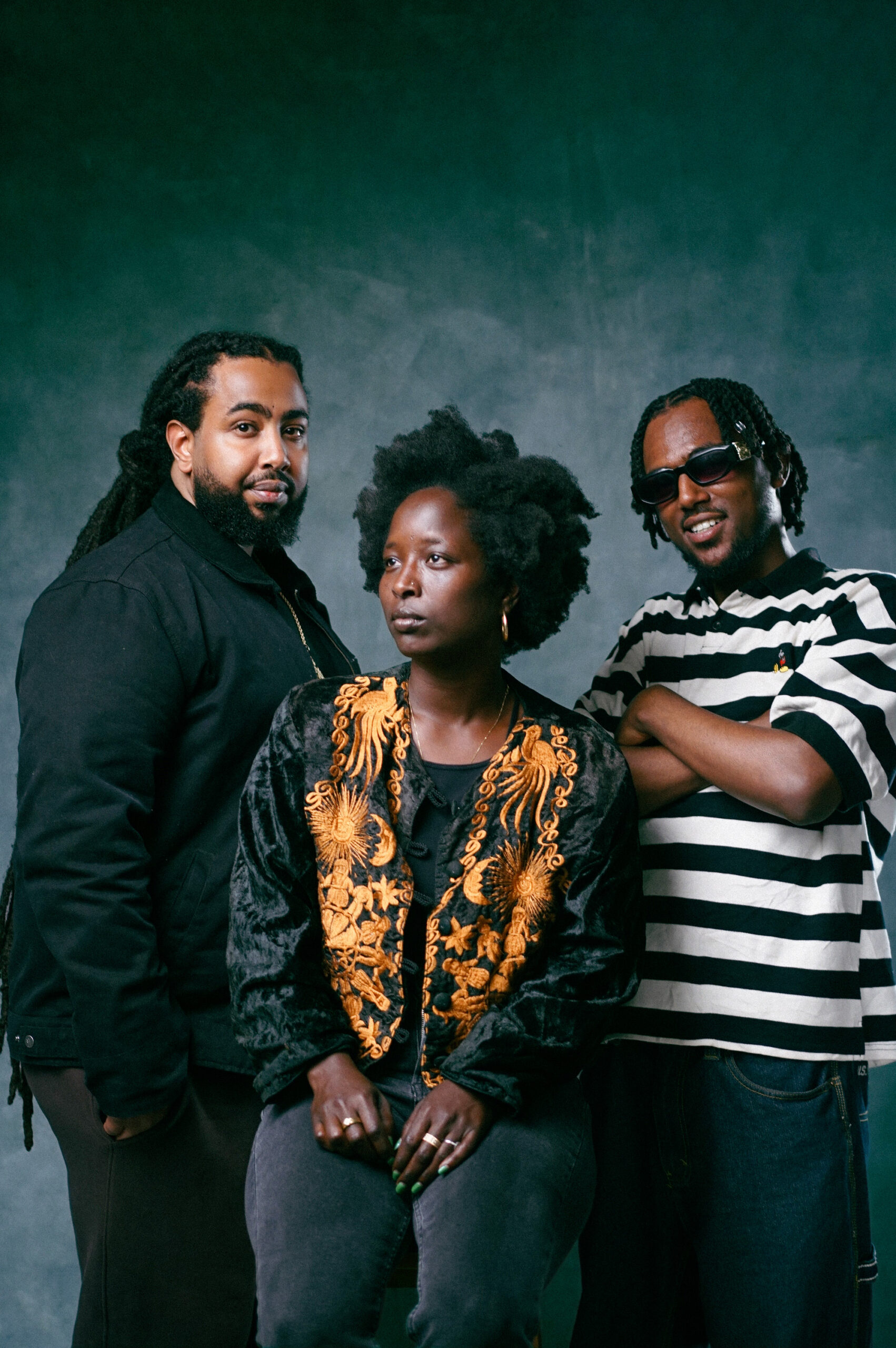
This is the case with The Neossinia Mixtape, a new body of work that aims to explore what Ethiopian music can sound like in the modern world, while creating space for a new generation of Ethiopian creatives to define that sound for themselves.
“Ethiopia is the second-largest country in Africa, but when you talk about music, especially African music, we don’t really talk about Ethiopian contemporary music,” says Denkinesh Argaw, one of the executive producers of the project. “Ethiopia has an incredibly rich musical history, but internationally, a lot of the recognition is still rooted in Ethio-jazz, nostalgia and earlier eras. There’s a contemporary scene that’s continuing to evolve, and Neossinia is our contribution to pushing even further and exploring what Ethiopian music can sound like today and how it can connect with audiences globally, especially with the diaspora.”
The process behind the mixtape was one that required more than twenty artists working in a writing camp (sixteen ended up on the mixtape), three weeks of songwriting and a willingness to push beyond familiar creative territory. The camp brought artists, producers and writers together with the intention of challenging them to experiment, expand their horizons and explore sounds and techniques they may not have naturally encountered or worked with before.
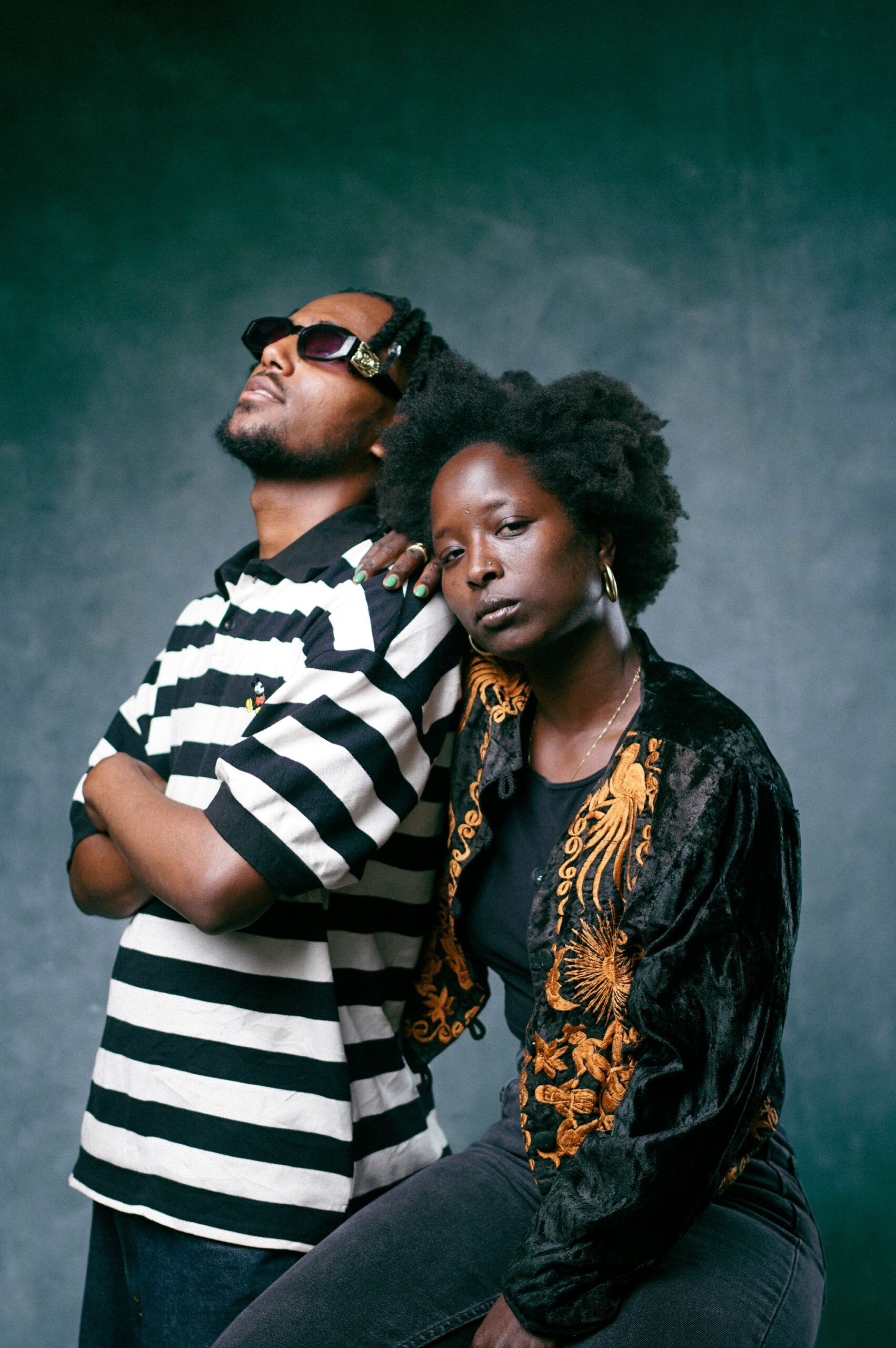
In that sense, the journey was just as creatively fulfilling as the destination was intended to be culturally impactful. The result is The Neossinia Mixtape, released this Friday as part of New Music Friday, with an ambitious goal: to challenge what audiences think Ethiopian music sounds like and expand their understanding of what contemporary Ethiopian culture can be.
Rather than attempting to manufacture a new Ethiopian sound from scratch, Neossinia is interested in what happens when Ethiopia’s rich musical history meets the instincts of a new generation of artists. The project draws from traditional sounds and instruments across different regions, while allowing those influences to sit alongside Afrobeats, R&B, hip-hop and other contemporary genres.
That makes the mixtape as much about cultural exchange as it is about music. It brings together artists and creatives from Ethiopia and the diaspora, creating a space where different interpretations of Ethiopian identity can meet, collide and evolve.
For Argaw, however, Neossinia is not an attempt to declare the arrival of an Ethiopian creative scene. That scene already exists.
“Within Ethiopia, there’s an amazing cultural and artistic renaissance happening already,” she says. “It’s a much larger ecosystem that we’re trying to fit ourselves into, rather than trying to create an ecosystem. The ecosystem is already existing.”
The artists involved in the project, alongside its photographers, videographers, stylists, creative directors and other collaborators, are all part of that wider movement. The Neossinia Mixtape simply brings some of those people together around a shared creative experiment.
“We’re bringing together a lot of the players that are cultivating that together and creating our interpretation of what that looks like collaboratively,” Argaw says.
At its core, the project is asking a deceptively simple question: What does Ethiopian music sound like when it is allowed to look forward?
For a country with dozens of languages, cultures and musical traditions, there may never be one definitive answer. Instead, Neossinia makes the case for multiplicity: for an Ethiopian sound that can be rooted in its history while remaining contemporary, experimental and legible to audiences far beyond its borders.
In this interview, Denkinesh Argaw, who is one of the three executive producers of The Neossinia Mixtape alongside ET and Blén, discusses how the project came together, the thinking behind its songwriting camp, Ethiopia’s evolving musical landscape and what she hopes the mixtape can change about the way the world hears Ethiopian music.
AMPLIFY AFRICA: Can you tell me a little bit about how this project came together?
DENKINESH ARGAW: The company that I run is called 2591 Worldwide. We’re basically a creative agency and media platform that highlights Ethiopian and Eritrean creatives, particularly those in the diaspora.
We partnered with Bana Records, a local record label in Ethiopia, and Forward Music Company, another diaspora company based in the DMV. We came together with the idea of putting together a songwriting camp.
Forward Music Company had done a songwriting camp the year before, which I saw and had been wanting to do for some time. I reached out to ET, who runs the company and is a friend of mine, and said, “Hey, I want to get into this. Can we put together a camp this year?”
Then we reached out to Bana Records and Blén, the CEO there, and that’s kind of how it came about. We said, “Let’s put together a writing camp. Let’s see how we can push the boundaries of Ethiopian music and just see what happens.”
A lot of the artists who were selected were people within our network that we had been watching for some time, or people Bana Records had collaborated with in the past. We also put out an open call on Instagram.
We ended up with 16 artists, producers and writers in a studio for three days. The mixtape that came out of it was the result of that.
AMPLIFY AFRICA: How do you feel about the final product?
DENKINESH ARGAW: Speaking for myself, I feel really good about it. I’m proud of what these artists accomplished. We were looking at the way movements like Afrobeats from Nigeria and amapiano from South Africa have been able to travel globally while still being deeply connected to where they come from, and we started asking: what represents Ethiopia?
Ethiopia has an incredibly rich musical history and so many distinct sounds, but internationally, a lot of the recognition is still tied to Ethio-jazz, nostalgia and earlier eras. At the same time, there’s an incredible contemporary scene that’s already evolving. So the question for us became: how can we contribute to that evolution? How can Ethiopian artists draw from the history and culture while creating something that reflects what’s happening now and can connect with audiences beyond Ethiopia?
A lot of these artists already make Afrobeats, R&B, hip-hop and other contemporary music really well. With Neossinia, we challenged them to think intentionally about what can happen when they bring more of their own cultural and musical references into those influences whether that’s a different rhythm, language, a traditional instrument, or a regional sound and translate it into something that could also appeal to a global audience.
Considering all of that, doing it in three days with artists, some of whom had never met each other before, I’m really proud of what they created.
AMPLIFY AFRICA: What does pushing the boundaries of the sound look like in your camps? What are some of the big genres in the Ethiopian music market?
BLÉN: Pushing the boundaries in our camp means encouraging artists to step outside of their comfort zones, experiment, and create new sounds that can speak to both the local and international markets. At the same time, we want to foster a truly collaborative environment, where everyone is working toward a shared goal: representing Ethiopia and its culture while pursuing global recognition.
Some of the biggest genres in the Ethiopian market are rooted in the traditional music of the country’s diverse ethnic groups and cultural traditions. These sounds are sometimes presented in their purest form, and at other times fused with foreign genres and contemporary influences. As a country with a history of never being colonized, we have a particularly strong connection to our cultural identity, and there is a deep appreciation for music that preserves and celebrates that identity in its most authentic form. That is something we should be proud of.
AMPLIFY AFRICA: What would you hope the impact of the project would be? Is there something you would like it to shift or make people a little more open to?
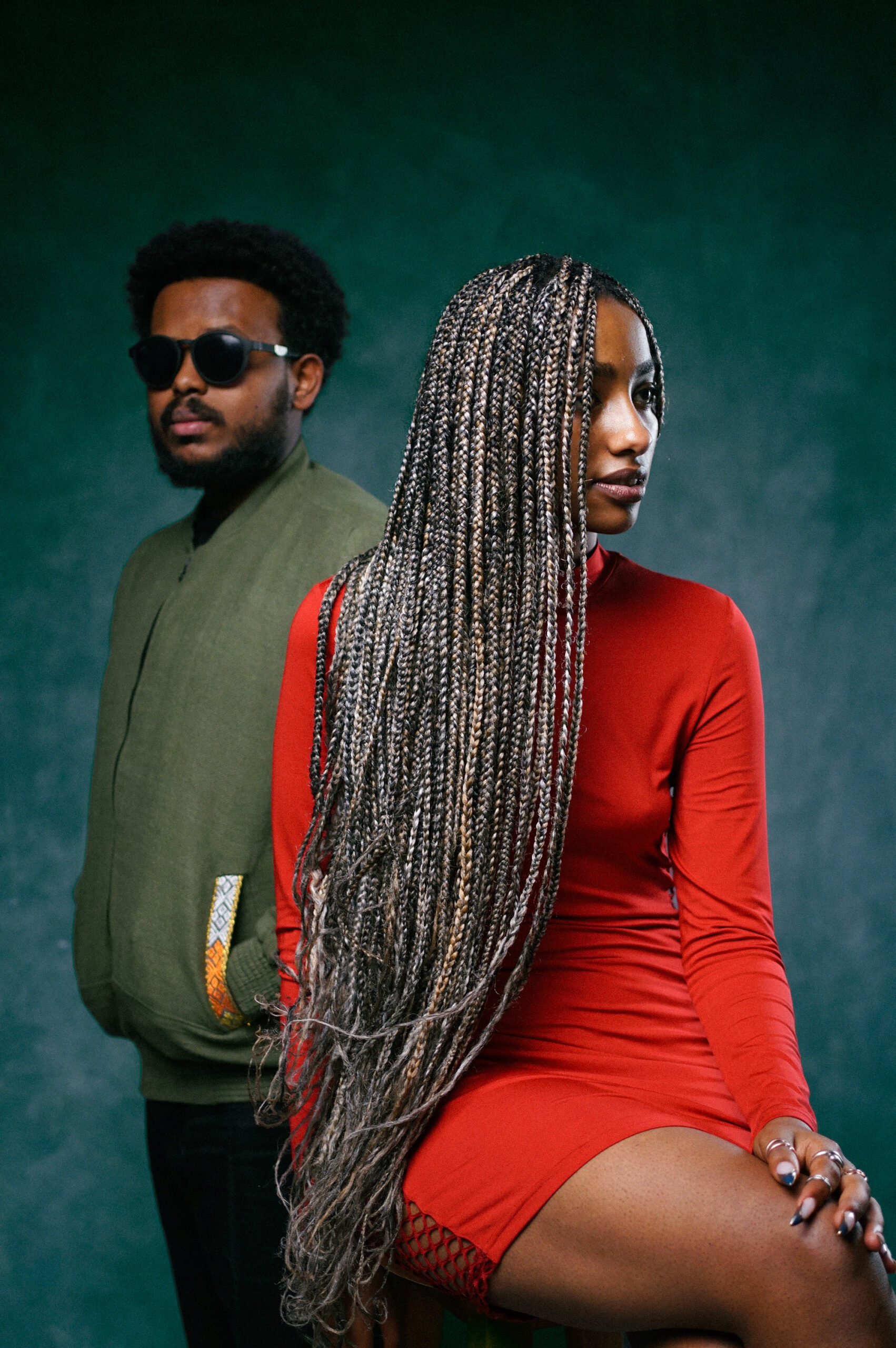
ET: I would like the Neosinnia Project to create more conversations around the diversity of sounds and creative expression coming from Ethiopian artists. We’ve seen through other successful collectives and compilations that bringing talented people together can elevate everyone involved both collectively and individually. We hope Neosinnia can do the same, while introducing these sounds and stories to a much wider audience.
More than anything, I hope the project creates real opportunities for the artists involved: more bookings, more collaborations, and the ability to travel the world sharing their sound and culture. Everyone on this project is unique, special, and relatable in their own way. Our goal is to make it easier for audiences to discover them, connect with them directly, and understand just how much creative range exists within Ethiopian music and culture.
AMPLIFY AFRICA: Are there any other Ethiopian albums or EPs, either new or old, that you would consider essential listening? Something that would give people more context sonically for this project?
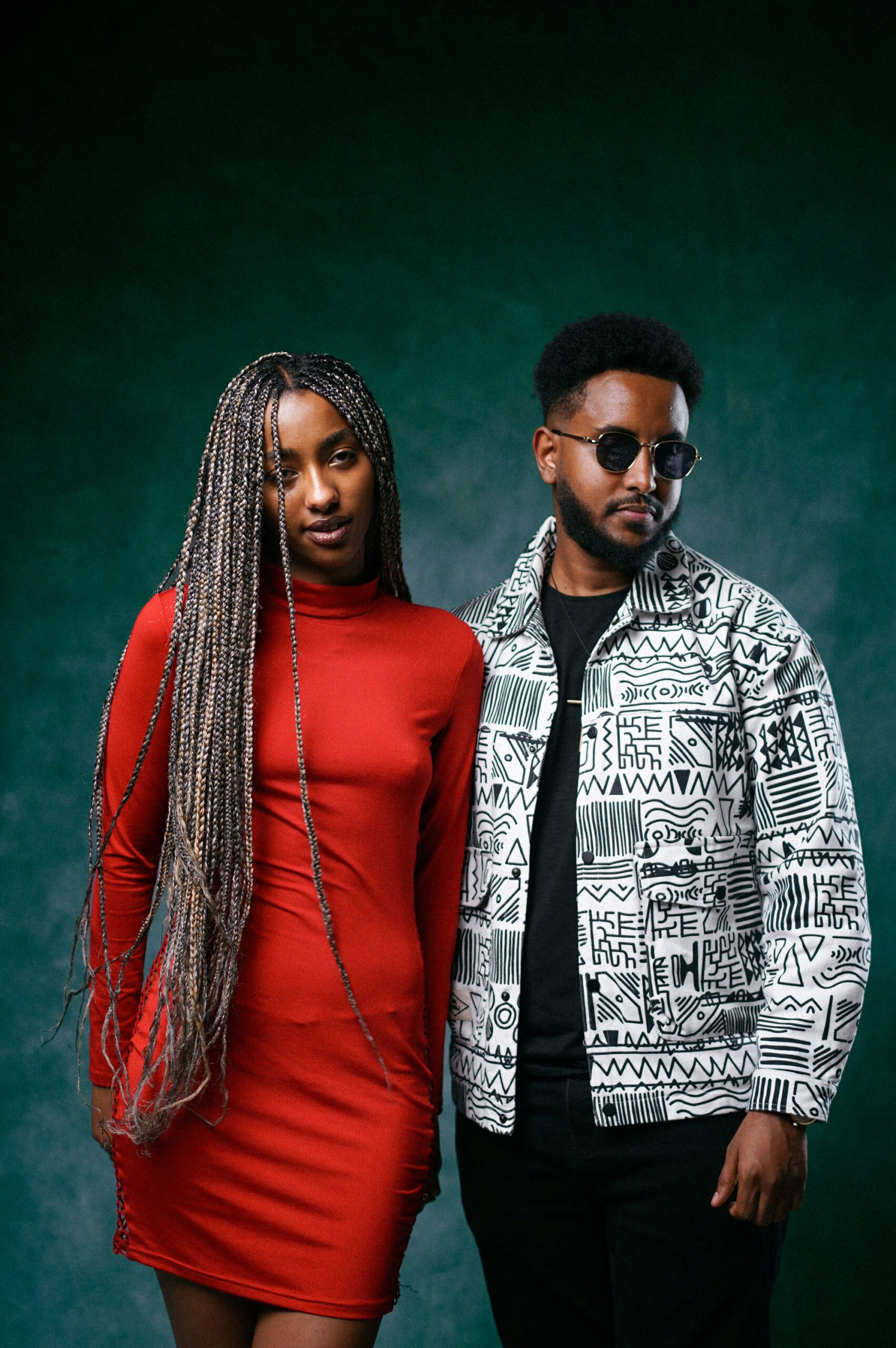
DENKINESH ARGAW: Not any particular album or project, but more so genres and sonic landscapes. I think what’s really popular right now, and what a lot of people internationally identify Ethiopian music with, is Ethio-jazz. You see Mulatu Astatke, Hailu Mergia and all of the Ethio-jazz greats having another moment through TikTok and social media. It’s such a distinctly Ethiopian sound. You hear it and you know it. Then you have artists like Mahmoud Ahmed, Aster Aweke and Gigi, and these different eras of Ethiopian music that each had really distinct sounds and their own moments of international recognition.
Then you have all of the traditional and regional sounds throughout Ethiopia, with their own rhythms, instruments and styles. You hear some of those influences throughout this project, like Oromo influences on “Kechaf Lay” and Wolaita influences from the south on “Sodo,” alongside hip-hop, R&B and other genres.
There are also artists already doing really interesting things with those intersections. You have ZENA doing their own contemporary interpretation of Ethio-jazz, and artists like Wegdayit and Laeke in Ethiopia experimenting with traditional and contemporary sounds in different ways, while artists across the diaspora are creating their own fusions. There isn’t one direction contemporary Ethiopian music is moving in, and I think that’s what makes it exciting.
I think that’s the sonic context for this project. Vol. 1 was really the beginning of that exploration by bringing different artists and influences together and seeing what came out of it. As the project evolves, the goal is to keep experimenting and eventually develop a sound that feels distinctly Neossinia, while still being part of this much bigger evolution happening in Ethiopian music.
Listen on Spotify, and everywhere else you stream music.
Image Courtesy of 2591 Worldwide