African creativity is increasingly difficult to ignore. Its music has travelled across borders, climbed international charts and become a regular feature at major global award shows. Its films are finding audiences well beyond the continent, while fashion, art and design continue to attract international attention. From a recent Saturday Night Live UK sketch about Nigerian Wicked to the just-concluded fashion and art season, African creatives are finding new audiences, building global communities and creating commercial opportunities around their work.
But international visibility does not automatically translate into a thriving creative economy. Behind the growing appetite for African culture are structural challenges that continue to determine how creatives produce, distribute, protect and monetise their work. Financing remains difficult to access, distribution networks are often limited, intellectual property protections are inconsistent across markets, and the infrastructure required to build sustainable creative businesses is still developing. As African stories travel further, questions about ownership, representation and cultural authenticity are also becoming increasingly important.
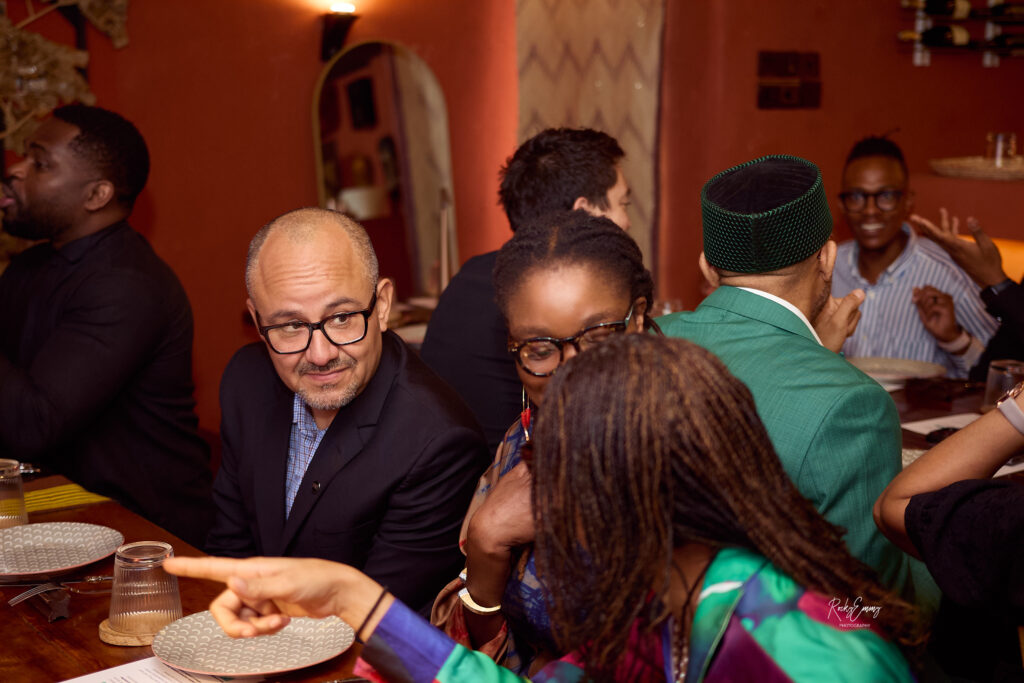
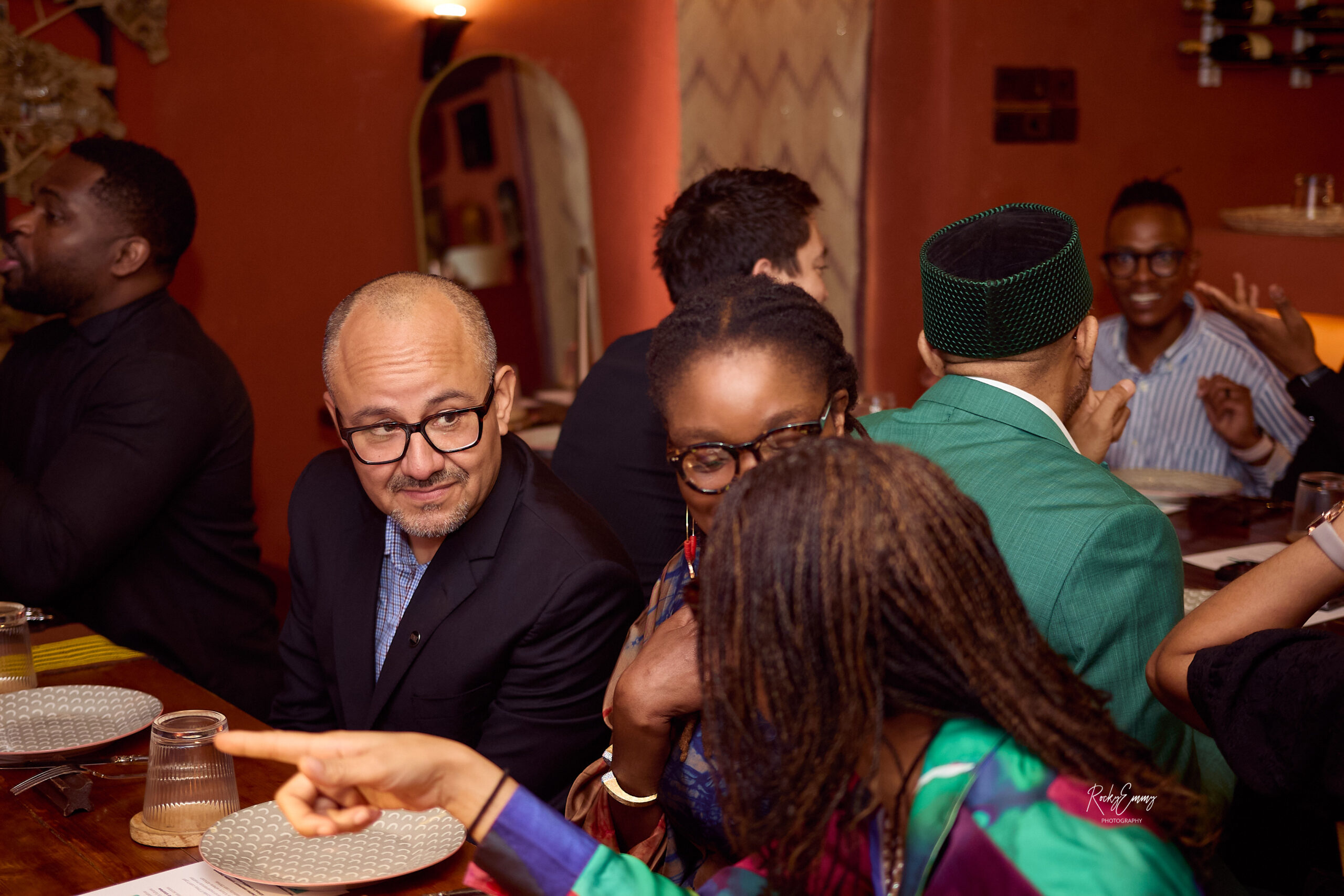
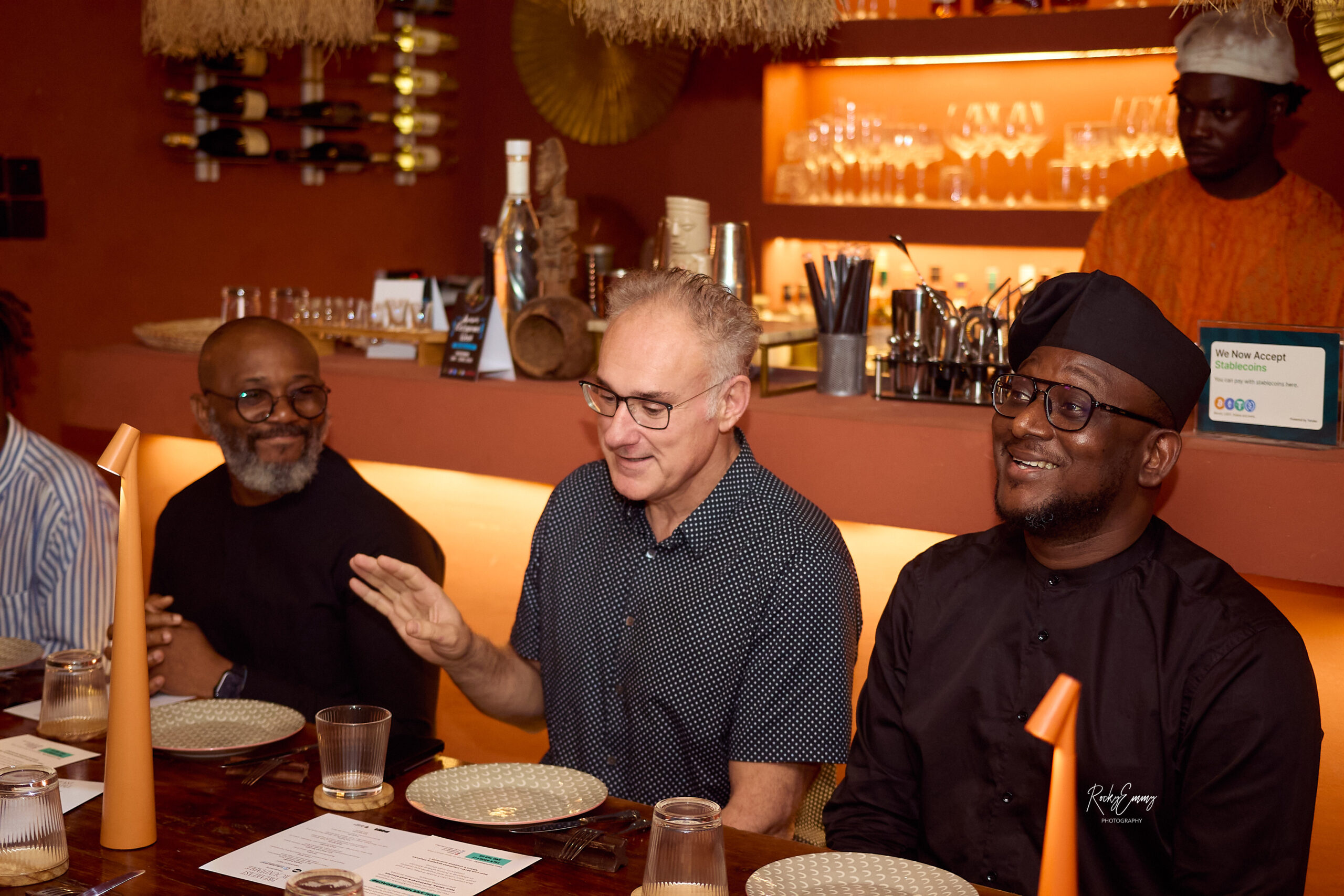
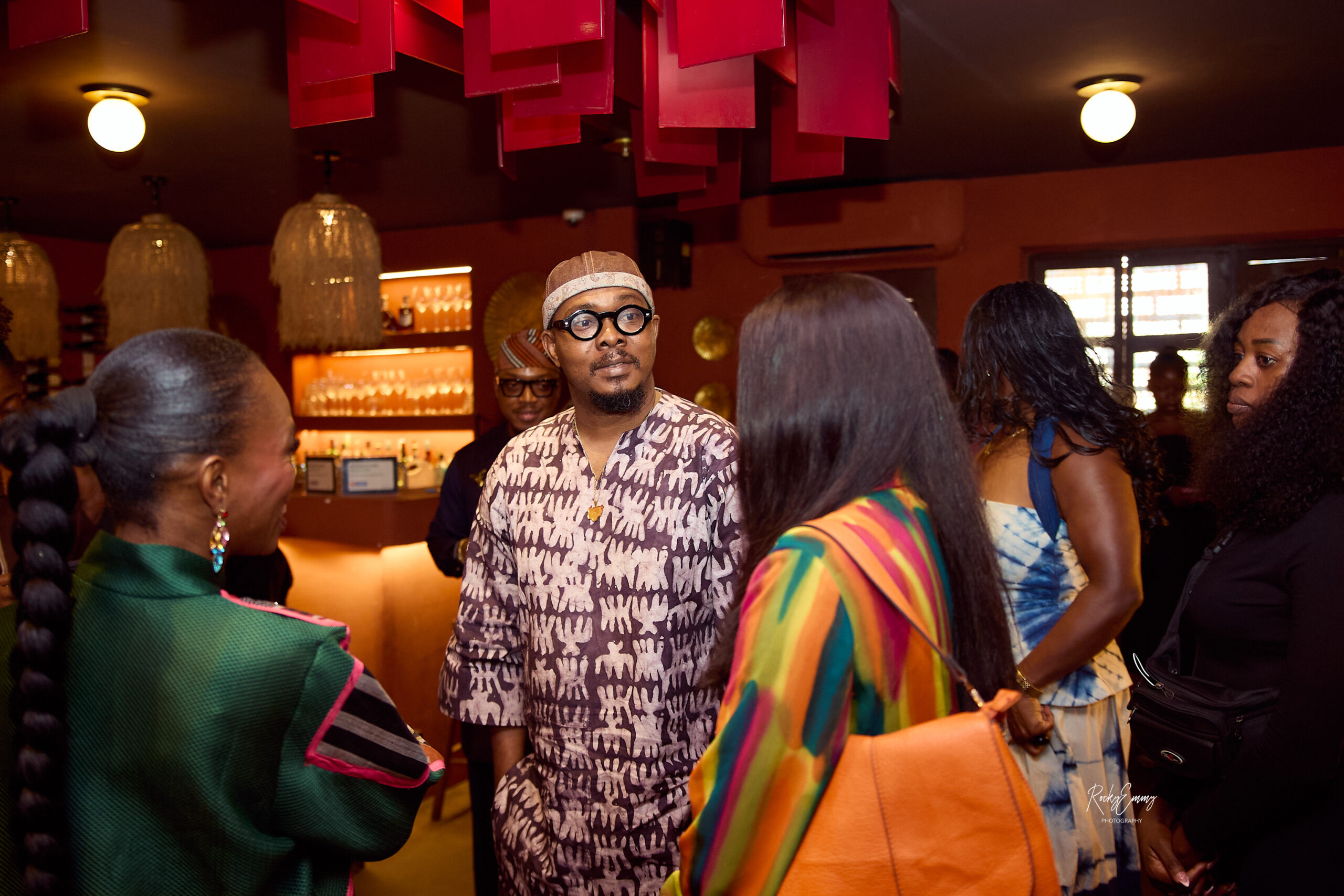
These questions were central to a Breakfast Roundtable convened by Amplify Africa, the ONE Campaign and the World Bank’s Development Impact Evaluation (DIME) initiative during Diaspora Week Lagos in November 2026. Held at Ile Eros in Lekki Phase 1, Lagos, the gathering brought together creatives, industry executives and development-sector representatives to discuss what it will take to turn the global interest in African creativity into a more sustainable and commercially viable industry.
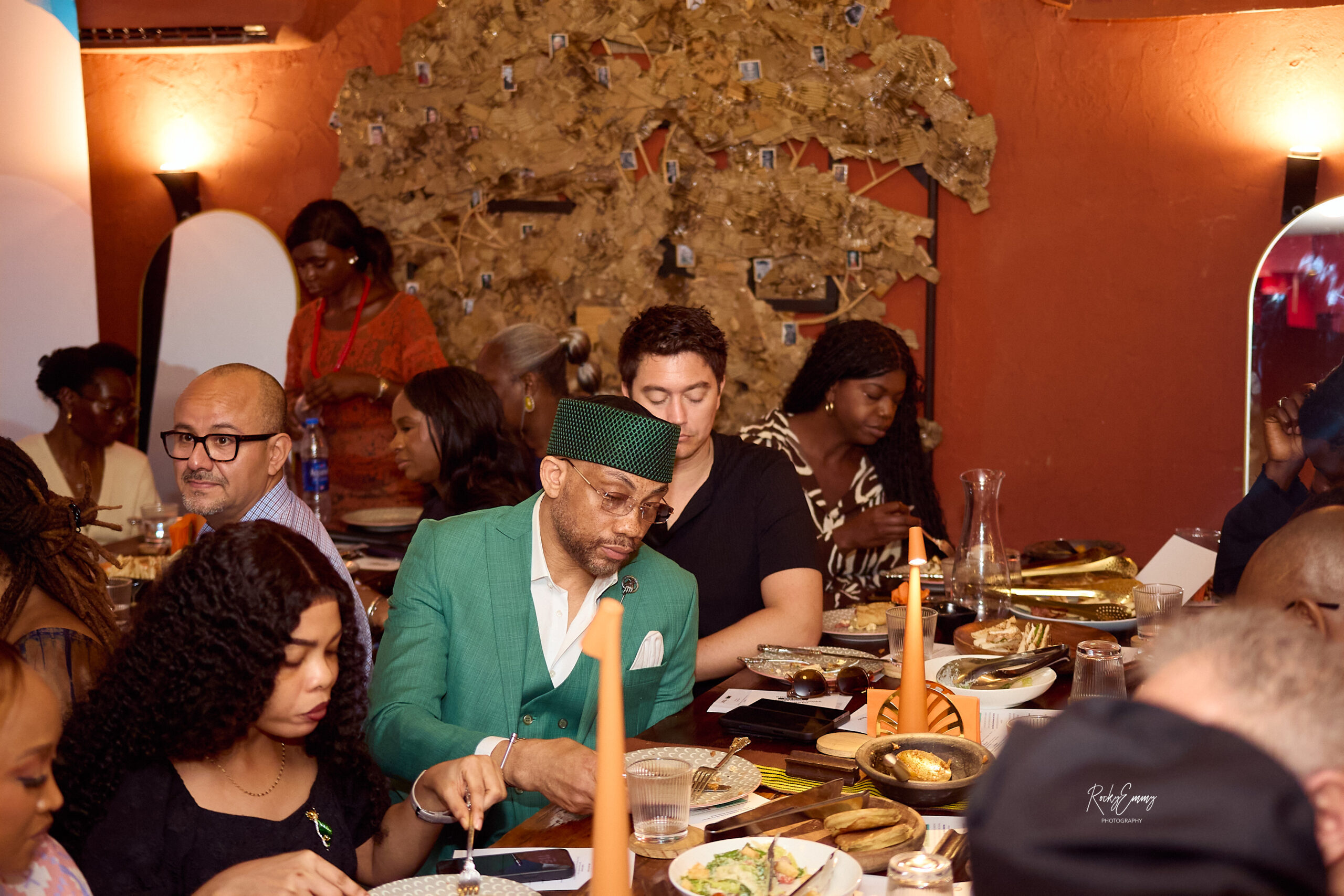
The conversation explored five interconnected challenges facing the continent’s creative economy: distribution, financing, diaspora connections, cultural authenticity and intellectual property. While the problems are longstanding, the discussion also highlighted the people, businesses and institutions working to address them, and the importance of building an industry in which African creatives can retain greater control over the value they create.
One of the central challenges facing African creatives is distribution. There is no shortage of creative output coming from the continent. Nigeria’s Nollywood, one of the world’s largest film industries by volume, produces thousands of films annually. African music has developed an increasingly international audience, while fashion designers, visual artists and digital creators are finding new ways to reach consumers beyond their immediate markets. But producing work that can compete internationally is only one part of the equation. Getting that work in front of the right audiences, across different markets and at a sustainable cost, is another challenge entirely.
One point that consistently emerged from the conversation was the importance of distribution. There is no shortage of creative output coming from the continent. Nigeria’s Nollywood, for instance, is one of the world’s largest film industries by volume, producing thousands of films annually. African music, fashion, visual art and digital content are also finding audiences abroad. But producing work that can compete internationally is only one part of the equation. Getting that work in front of the right audiences, across different markets and at a sustainable cost, is another challenge entirely.
How does an African filmmaker get their work in front of audiences beyond their home market? How does a fashion brand move from attracting international attention to establishing a sustainable retail presence abroad? And how can musicians and other creators ensure their work continues to generate value long after it has travelled beyond the continent?
The issue is not simply whether African creatives can produce work that rivals what comes out of Hollywood or other established creative industries. It is whether they have access to the distribution networks, marketing budgets, partnerships and infrastructure that allow those industries to reach audiences at scale.
For filmmakers, this could mean securing international distribution deals and getting their productions onto platforms with audiences beyond Africa. For fashion businesses, it might mean moving from international visibility to establishing reliable retail, logistics and fulfilment networks abroad. For musicians, it means building the distribution, marketing and touring infrastructure required to sustain an international career rather than relying on the momentum of a viral record.
The issue is not simply whether African creatives can produce work that rivals what comes out of Hollywood or other established creative industries. It is whether they have access to the networks, marketing budgets, partnerships and infrastructure that allow those industries to reach audiences at scale.
However, getting African creative work in front of international audiences is only part of the challenge. For many creatives, the resources required to produce, distribute and scale their businesses remain difficult to secure. Across the continent, filmmakers, musicians, fashion designers and other creative entrepreneurs are often expected to finance productions, hire teams, maintain operations and enter new markets with limited access to institutional financing or investment.
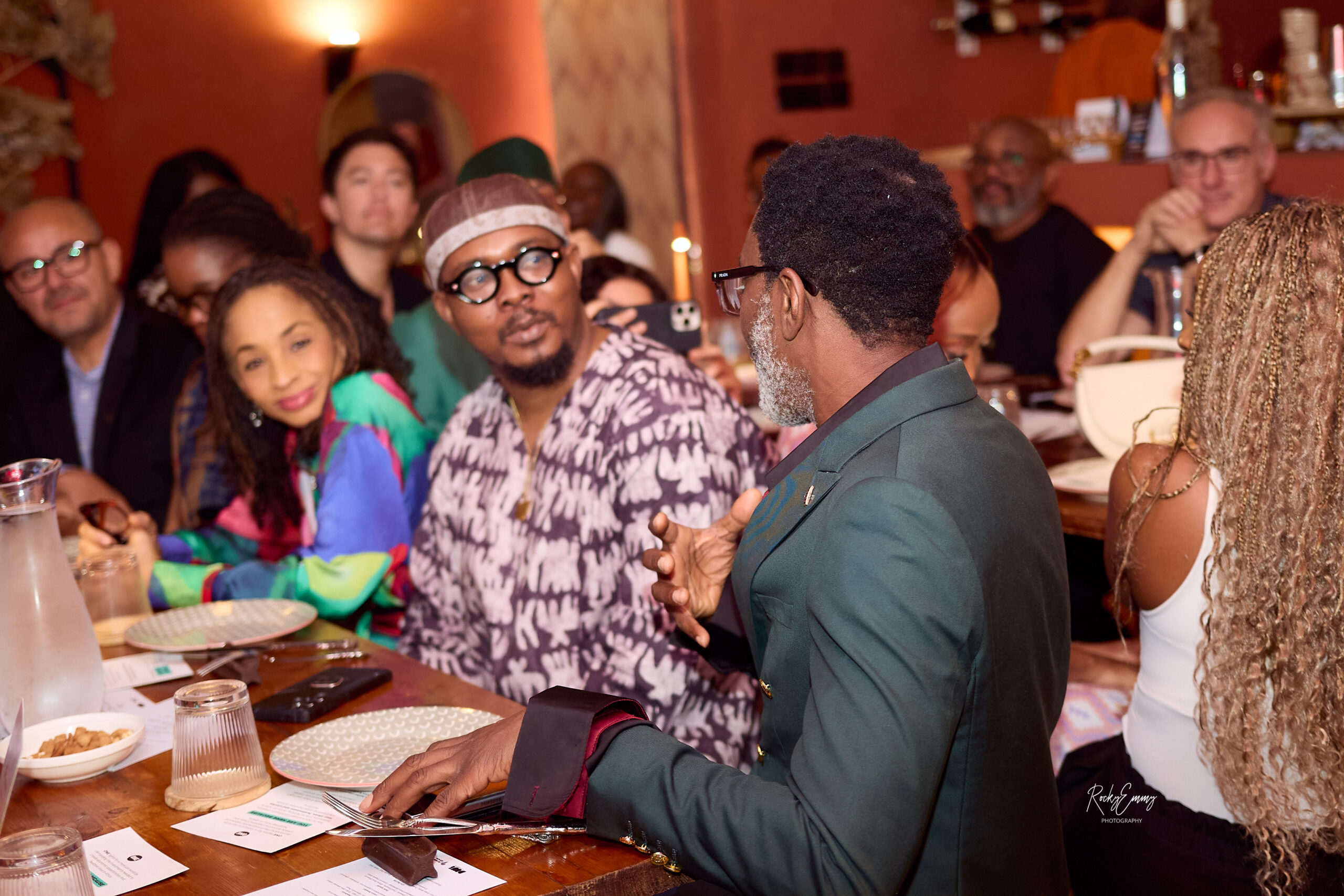
A filmmaker may secure funding for one production but lack the resources to build a studio. A fashion designer may attract international demand but be unable to finance inventory, logistics or expansion. For musicians, the cost of touring, marketing and maintaining a global presence can become prohibitive. This creates a cycle in which promising creative businesses struggle to grow beyond individual projects, even when there is a clear audience for their work.
Part of the problem is that traditional financing models do not always understand the economics of creative businesses. Unlike more conventional industries, creative enterprises can depend on intellectual property, audience relationships, licensing, royalties and revenue streams that take time to mature. This can make them difficult to assess through traditional lending and investment frameworks.
The challenge, then, is not simply getting more money into the creative economy. It is developing financing models that understand the business of creativity, recognise its commercial potential and support creatives beyond one-off projects.
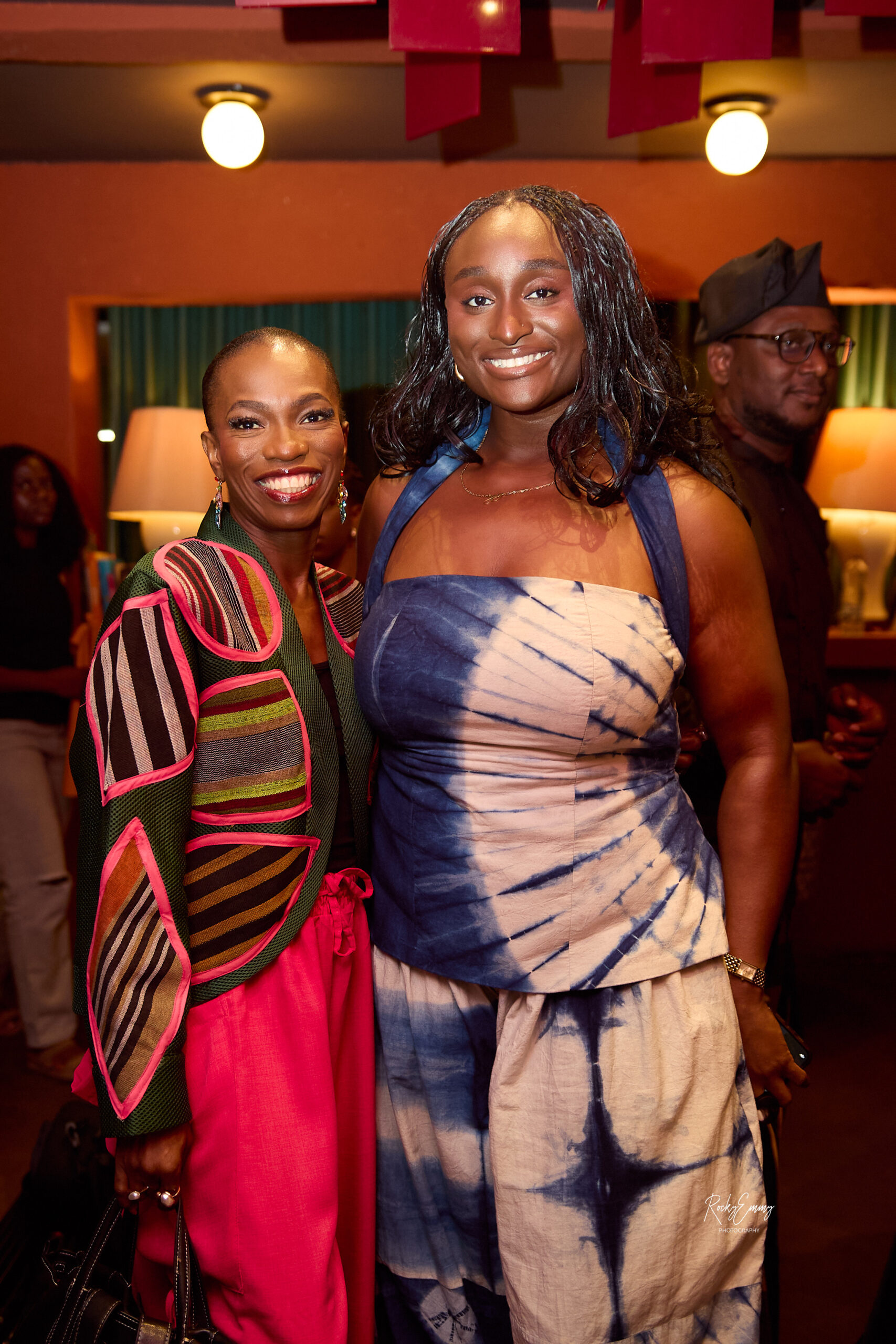
Beyond financing, the conversation also turned to the role of the African diaspora in helping creative businesses access international markets. The diaspora represents an important bridge between the continent and the rest of the world. Beyond its cultural influence and financial contributions, diaspora communities can create pathways for African businesses to reach new audiences, build distribution networks, establish partnerships and attract investment.
But these connections need to move beyond goodwill and cultural affinity. For African creatives, meaningful access to diaspora markets requires relationships that translate into commercial opportunities, from retail partnerships and touring networks to distribution deals, collaborations and investment. A musician might have a substantial following among Africans living abroad but still lack the relationships needed to secure international touring opportunities. A fashion brand might attract attention from diaspora consumers but struggle to establish the logistics and retail partnerships required to serve them.
The opportunity lies in building stronger connections between creatives on the continent and the people, institutions and businesses that can help them operate internationally. It also means recognising the diaspora not simply as an audience for African culture, but as an active participant in the infrastructure that helps the creative economy grow.
As African creatives pursue these opportunities, another question becomes increasingly important: how do they expand their audiences without losing the cultural context and creative agency that make their work distinctive?
Globalisation creates opportunities for creative exchange, but it can also place pressure on creators to make their work more familiar, more easily packaged or more palatable to international audiences. The risk is that the perspectives, languages, aesthetics and cultural details that make African creative work distinctive become diluted in the process of reaching a wider market.
This challenge extends across industries. Filmmakers may face expectations to explain or simplify cultural experiences for audiences unfamiliar with them. Musicians can find themselves navigating international genre classifications that do not always reflect the complexity of their sound. Fashion designers may encounter pressure to present African influences in ways that are immediately recognisable to international consumers.
The issue is not whether African creatives should embrace global audiences or creative exchange. Rather, it is about ensuring that they retain the agency to determine how their work is presented, interpreted and commercialised.
The question of who controls African creative work and who benefits when it becomes commercially successful also brings the conversation to another fundamental challenge: intellectual property.
As African music, film, fashion, art and digital content travel across borders, protecting ownership and ensuring that creators are properly compensated becomes increasingly complicated. Creative work circulates across multiple markets, platforms and distribution channels, each with different regulations, licensing arrangements and enforcement mechanisms.
For many creatives, the challenge is understanding what happens to their work after it leaves their hands. Who controls the rights? How are royalties collected? What happens when a work is licensed or reproduced in another territory? And how can independent creators protect their intellectual property without access to expensive legal and administrative support?
These are not simply legal questions. They determine whether creative work can become a long-term source of income and whether the people responsible for producing it retain a meaningful stake in its commercial success. A musician whose work is streamed internationally needs systems that can track usage and collect royalties across territories. A filmmaker needs clear agreements around distribution, licensing and ownership. An artist or designer needs the ability to protect their work against unauthorised reproduction while negotiating fair commercial terms.
Building a stronger creative economy requires more than producing globally competitive work. It requires systems that allow creators to retain ownership, negotiate fair agreements and earn from their intellectual property over time.
Ultimately, the conversation at the Breakfast Roundtable pointed to a distinction that will become increasingly important as African creative industries continue to expand internationally. The continent has demonstrated that its music, films, fashion and art can attract global audiences. The next challenge is building the financial, commercial and institutional infrastructure that allows the people behind that work to benefit from its success. From distribution and investment to cultural ownership and intellectual property, the future of Africa’s creative economy will depend not only on how far its creativity travels, but on how much value remains with the people who create it.
Nigeria’s NGX Group Acquires a 10% Stake in Kenya’s Nairobi Securities Exchange
Tems, Burna Boy, Wizkid and More: African Artists Nominated for the 2027 Grammys
Sweden Returns 39 Looted Benin Artefacts to Nigeria, 129 Years After British Invasion