In recent years, there has been a noticeable rise in the number of foreign-born players called up for AFCON. At AFCON 2025, almost 30 percent of selected players were born outside Africa. As a result, the trend has sparked growing debate among football fans across the continent.
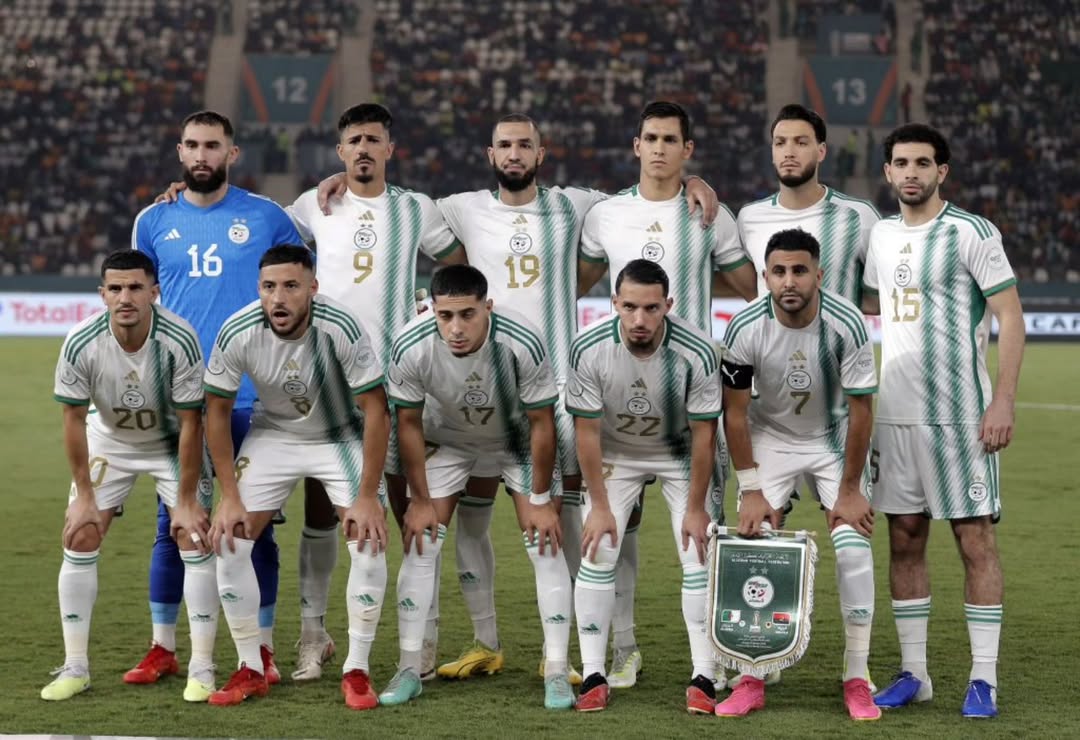
Of the 664 players selected for the recently concluded AFCON 2025, 191 were born in Europe. Notably, France accounted for the highest number, with 107 players. Algeria stood out in particular, as 16 members of its squad were foreign-born, most of them born in France.
How Foreign-Born Players Are Shaping African National Teams
In many cases, this approach has coincided with improved fortunes for smaller footballing nations. For example, the Central African Republic has qualified for five Africa Cup of Nations tournaments since actively recruiting players in Spain with ancestral ties to the country. In that sense, diaspora recruitment has expanded the talent pool beyond domestic borders.
Beyond the continent, foreign-born players have also influenced African teams’ performances on the global stage. Most notably, Morocco reached the semi-finals of the 2022 FIFA World Cup. That squad included 14 players born outside Morocco, accounting for 43 percent of the team.
The Debate Over Diaspora Players and Local Talent Development
Despite these gains, the trend has raised a difficult question across the continent. Has the growing reliance on European-raised players reduced the urgency to develop local talent and grassroots infrastructure? For many observers, this concern sits at the center of the debate.
On one hand, critics argue that recruiting diaspora players at scale offers a fast track to success. In their view, this approach risks weakening long-term football development by discouraging sustained investment in youth systems and local leagues.
On the other hand, supporters see the strategy as a practical response to existing limitations. Since many African leagues lack the funding and infrastructure to compete with European systems, diaspora recruitment is viewed as a temporary solution. However, examples such as Egypt, Botswana, and South Africa, whose AFCON 2025 squads featured only home-born players, suggest alternative pathways still exist.
Ultimately, these competing perspectives point to a larger question. As African football continues to evolve, how will nations balance diaspora inclusion with the development of homegrown talent?