
Burkina Faso Bans NGOs From Taking Degrading Photos of Vulnerable People
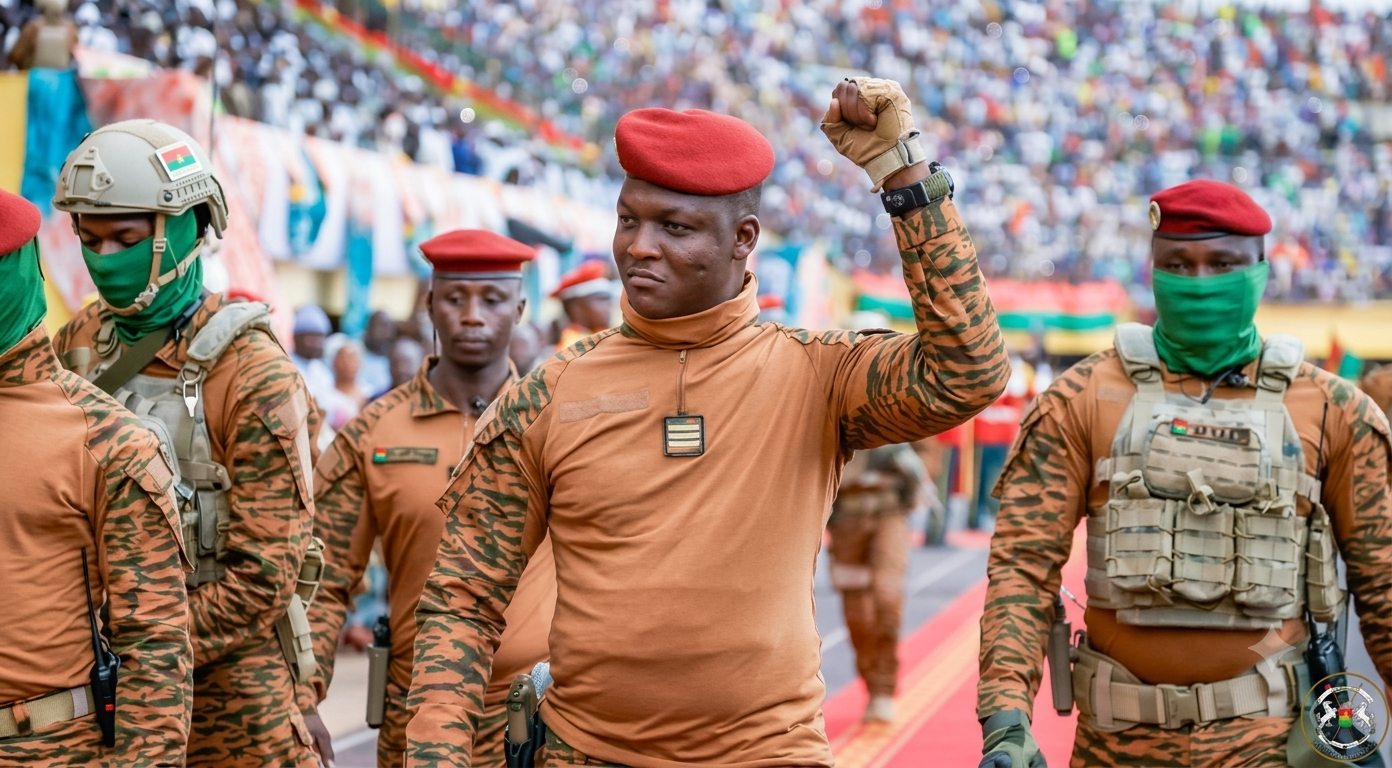
Burkina Faso has introduced new humanitarian regulations that prohibit non-governmental organizations (NGOs) and aid agencies from photographing or filming vulnerable people in degrading, humiliating, or exploitative ways. The decree aims to protect the dignity and privacy of aid recipients and stop the use of poverty and suffering as fundraising tools.
Why Burkina Faso Introduced the NGO Photo Ban
According to the government, the regulations seek to end the commercialization of poverty and human suffering. Humanitarian organizations are now expected to obtain the required authorization and respect informed consent before using photographs or videos featuring vulnerable people. In addition, authorities say aid recipients should never be presented as objects of pity to attract sympathy or financial support. The directive enforces strict rules on how NGOs operate in the country.
What the New Rules Mean for Humanitarian Organizations
The new policy is expected to reshape how NGOs communicate with donors and the public. Humanitarian groups have long relied on powerful images to document crises and secure funding. However, the government argues those efforts should not come at the expense of people’s dignity.
Burkina Faso is currently facing one of the world’s most severe humanitarian emergencies, with millions of people affected by conflict, displacement, and food insecurity. Many would expect that, during this period more than ever, the country would welcome all aid with open arms. However, the policy places strict restrictions on the portrayal of Burkinabés.
The ban has led to a deeper conversation about ethical storytelling in humanitarian work. Critics of the policy have questioned how the new requirements could affect awareness campaigns and fundraising, while supporters view them as a step toward more respectful humanitarian campaigns.
Burkina Faso’s Shift in Humanitarian Oversight
The regulations also align with broader reforms introduced by Burkina Faso’s military-led government under Captain Ibrahim Traoré. In recent months, authorities have expanded oversight of NGOs and humanitarian organizations as part of a wider emphasis on national sovereignty and accountability. As a result, the Burkina Faso NGO photo ban has attracted attention beyond the humanitarian sector, prompting debate over the balance between protecting vulnerable people and preserving the ability of aid agencies to raise awareness. While misinformation has portrayed the measure as a nationwide photography ban, the directive specifically targets degrading humanitarian imagery and reinforces ethical standards for documenting vulnerable communities.