
African cinema has been having a truly packed decade. We’ve seen runaway hits, instant classics and commercial juggernauts break barriers and find audiences far beyond the continent. And that’s just this year.
From Rwanda to the Central African Republic, Ghana to Nigeria and Lesotho, some of the continent’s most exciting filmmakers are telling stories that feel deeply local while finding increasingly global audiences. At Cannes 2026, the Official Selection featured three African films in Un Certain Regard — Ben’imana, Congo Boy and La Más Dulce — an impressive showing for a continent whose filmmakers have historically had to fight for space within the major international festival circuit.
And those aren’t even the only great films to have come out of Africa this year.
Here are some of the best African films of the year so far.
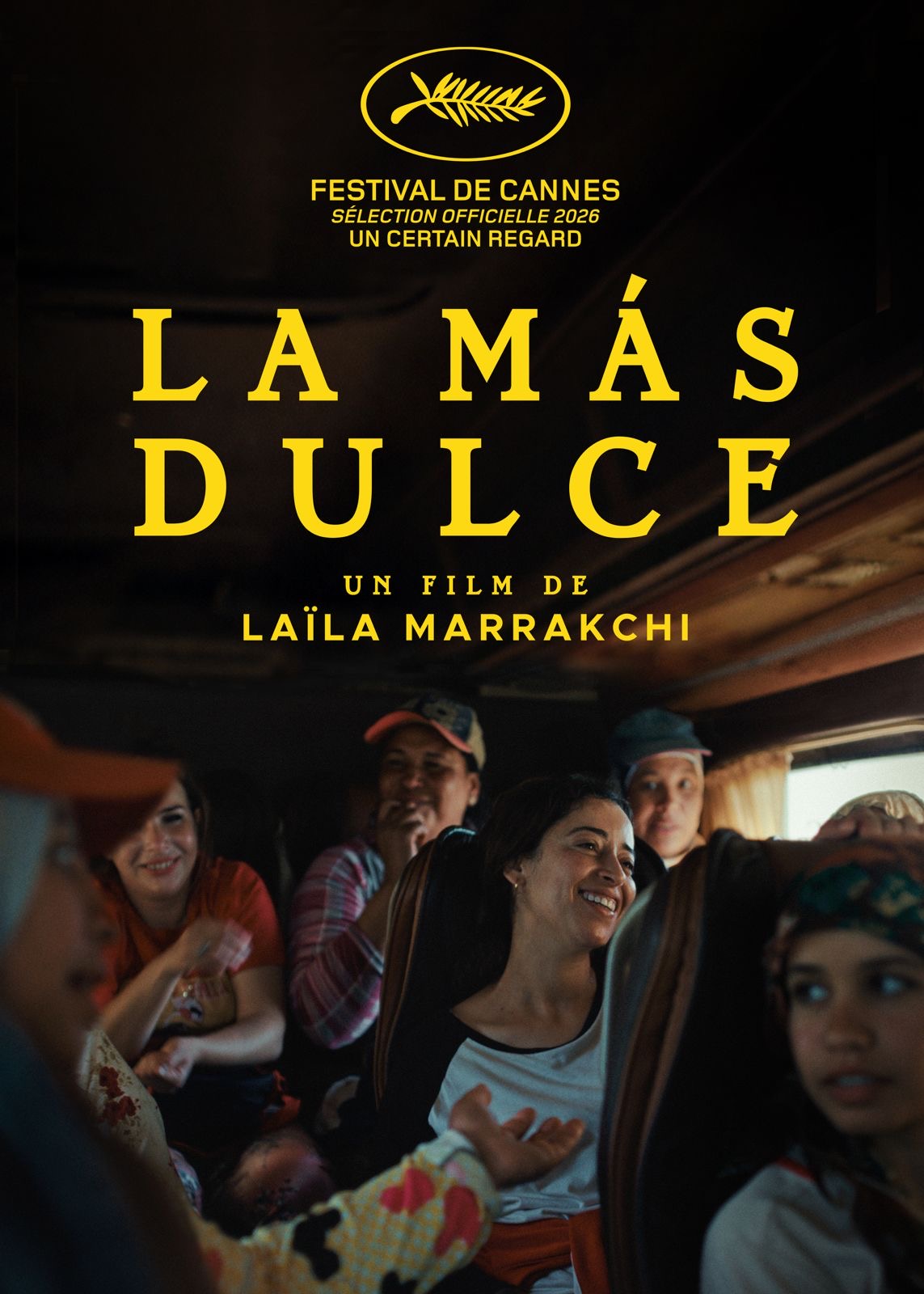
La Más Dulce (Strawberries) — Morocco
Laïla Marrakchi’s film premiered in Cannes’ Un Certain Regard and is particularly interesting for the way it connects migration, women’s labour, class and sisterhood across two countries.
Two Moroccan women travel to southern Spain to work as seasonal strawberry pickers, hoping to earn enough money to improve life for their families back home. Instead, they encounter exploitation, harassment and degrading working conditions. Their response is to organise and challenge the system around them.
It is a film about migration and labour, but at its heart is a story about two women navigating an unfamiliar world together — and finding strength in each other.
Call of My Life — Nigeria
Call of My Life is a colourful rom-com that wormed its way into everyone’s hearts and went on to have a massive, and somewhat surprising, box-office run.
Directed by Dammy Twitch and starring Blessing Uzoamaka, the film has become a serious contender for one of the Nigerian films of the year. More than that, it is the kind of movie that reminds you why cinema can be so much fun: it made audiences believe in love, romance and, for a few hours at least, the magic of a good Nigerian movie.
The Fisherman — Ghana
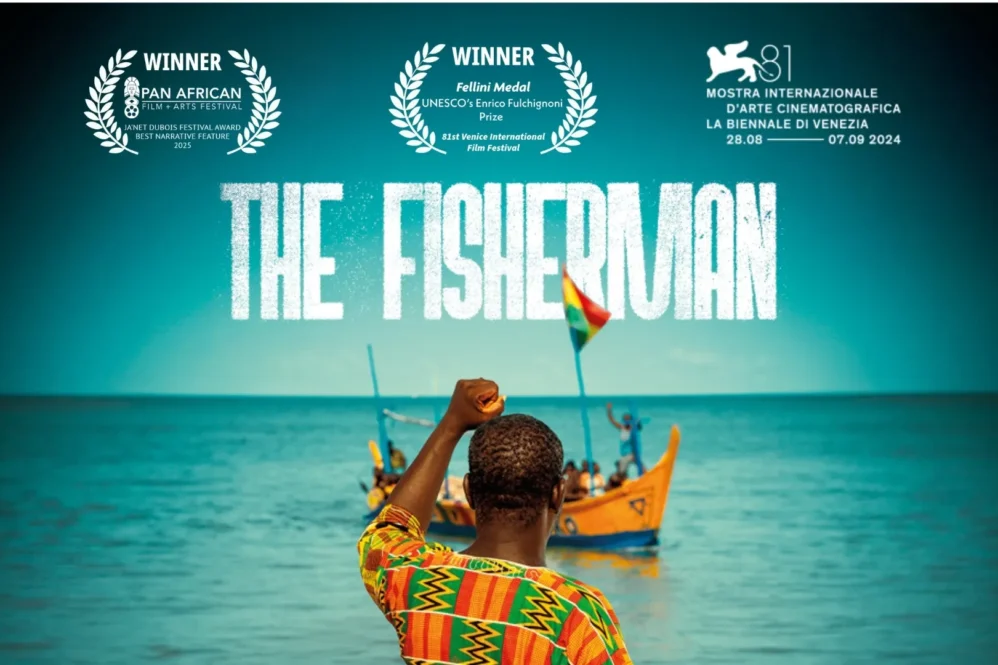
A retired Ghanaian fisherman has his quiet life disrupted by an unlikely friendship with a talking fish.
Yes, you read that correctly.
The Fisherman is one of the more unusual titles in this year’s African film conversation. It was the first Ghanaian film to premiere at Venice, helping draw further attention to Ghana’s increasingly adventurous independent cinema. It is technically a 2024 film but is only now getting wider release in 2026 across cinemas.
It is also a useful reminder that African cinema does not always have to be rooted in social realism. There is room for the strange, the funny, the fantastical and the completely unexpected.
Mothers of Chibok — Nigeria
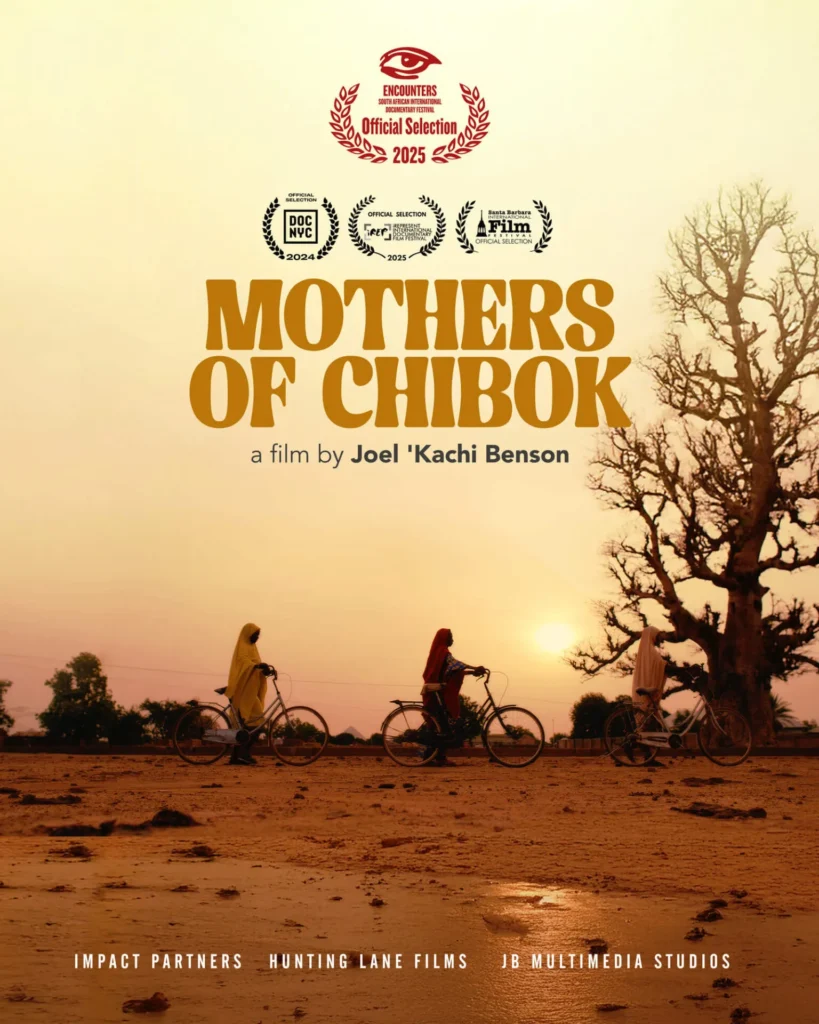
The Chibok girls’ story is one of the most chilling in Nigerian living memory. Many Nigerians remember where they were when they first heard that 276 secondary-school girls had been violently abducted by Boko Haram. But few remember the story as intimately as their mothers.
Mothers of Chibok, the Joel Kachi Benson-helmed documentary, follows the women who have had to live with the consequences of that night for more than a decade. Rather than simply revisiting the headlines, the film focuses on grief, resilience and the long aftermath of an event that once dominated global news.This movie was released in 2024 but got a 2026 theatrical release.
Ancestral Visions of the Future — Lesotho
Lemohang Jeremiah Mosese’s deeply personal film moves between memory, autobiography, mythology and fiction as he revisits his childhood in Lesotho from his position in exile in Berlin. The movie garnered significant buzz after its 2026 Mubi release.
And the film is particularly creative in its approach. Rather than presenting memory as a neat sequence of events, Mosese turns it into something fragmented, dreamlike and spiritual.
The result is less a conventional autobiography than a meditation on exile, identity, home and the complicated ways we remember where we come from. The Guardian described it as a powerful and haunting cine-memoir.
Congo Boy — Central African Republic / DR Congo
On paper, Congo Boy could sound like another coming-of-age story about hardship. In practice, Rafiki Fariala turns it into something much more personal.
The film follows 17-year-old Robert, a young aspiring musician trying to care for his four younger siblings after their parents are imprisoned in Bangui. Fariala himself grew up as a Congolese refugee in the Central African Republic, giving the story a deeply personal perspective.
The film premiered in Cannes’ Un Certain Regard section, where Bradley Fiomona Dembeasset won Best Actor. Critics have praised its warmth and humanity, particularly its ability to find humour and hope inside a story shaped by displacement and conflict.
Ben’imana — Rwanda
Marie-Clémentine Dusabejambo’s debut feature is set in post-genocide Rwanda, following Vénéranda, a survivor involved in community-led reconciliation proceedings, whose convictions are tested when her daughter becomes unexpectedly pregnant.
The film is intimate rather than spectacular, using one family and one woman’s complicated relationship with memory, forgiveness and the past to explore the longer shadow of the 1994 genocide.
And Cannes clearly agreed. Ben’imana won the 2026 Caméra d’Or, awarded to the best first feature across the festival’s selections.
It is a remarkable debut — and another sign that some of the most exciting stories coming out of Africa right now are being told by filmmakers willing to look inward, rather than simply explain Africa to the rest of the world.