Blog
AfroFuture 2025 in Accra: Inside the Maison Martell Experience Shaping African Culture
Ghana continues to set the pace for global Black culture.
Arrival in Accra
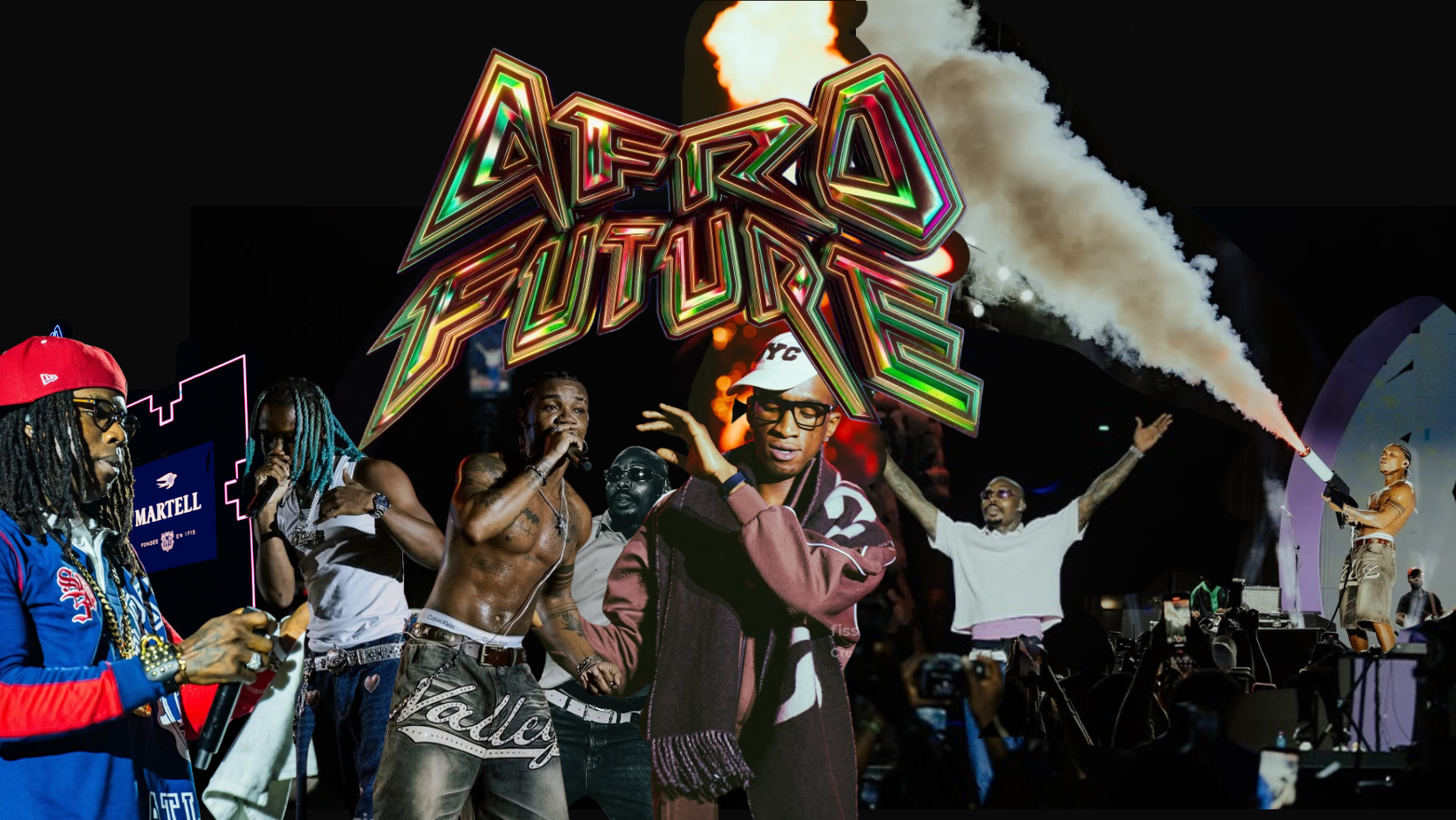
My first time in Ghana began exactly where it should have: at AfroFuture 2025, a two-day cultural gathering that proved itself to be far more than a music festival. Set in Accra during the height of Detty December, AfroFuture unfolded as a living expression of African creativity, community, and global Black influence.
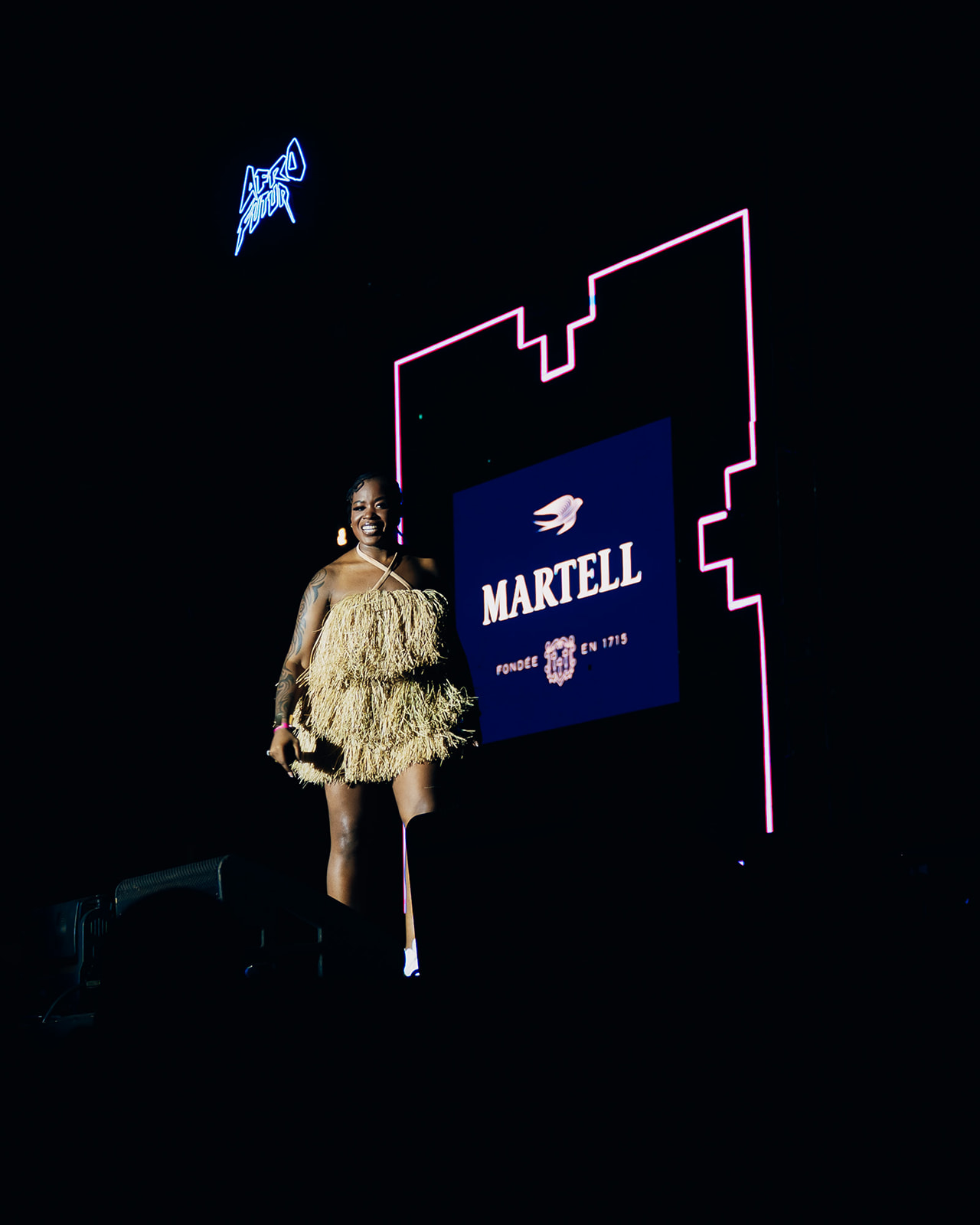
From the moment guests arrived, the intention was clear. AfroFuture was not designed around the rush of headline performances alone, but around experience. Music, fashion, food, art, and heritage flowed seamlessly across the grounds, creating an atmosphere that felt immersive rather than transactional. This year’s theme, African Nostalgia, anchored the festival in memory while pushing culture forward, allowing tradition and modern expression to coexist effortlessly. That spirit was carried visibly throughout the weekend by official host Lolahstic, whose stage presence and carefully curated, African-made looks embodied the theme in motion, turning fashion into a living extension of the festival’s cultural narrative.
Designed Around Experience, Not Just Performance
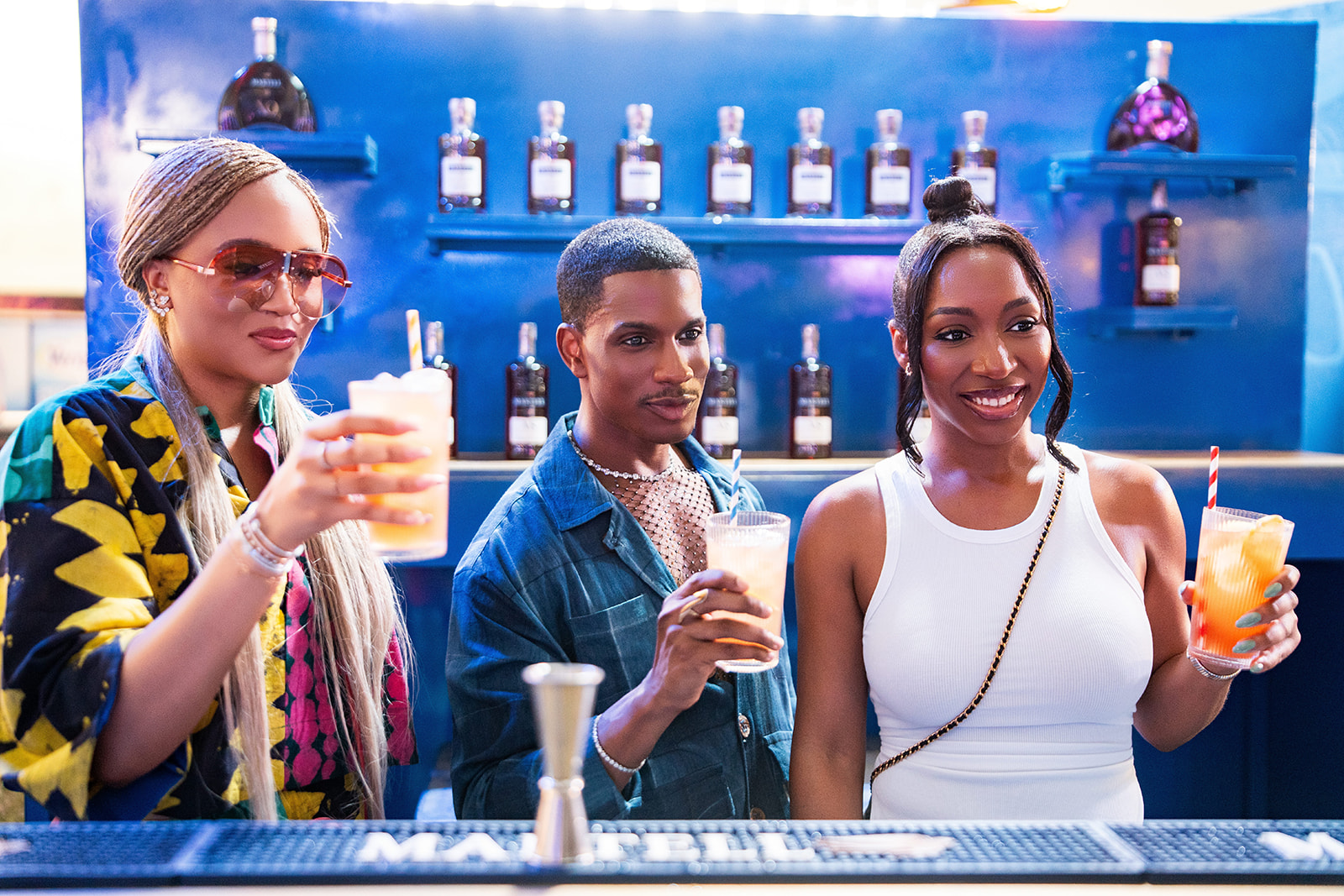
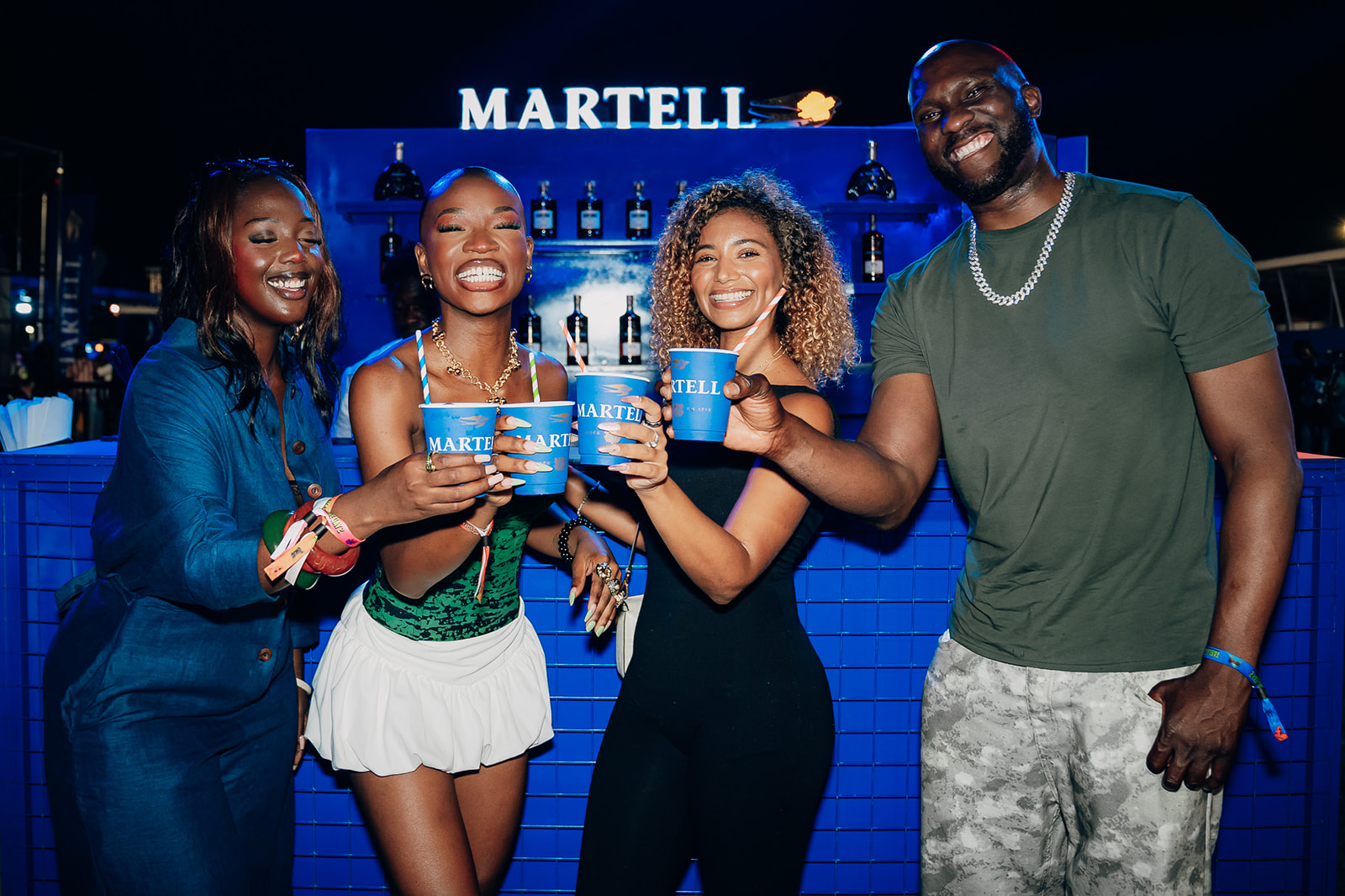
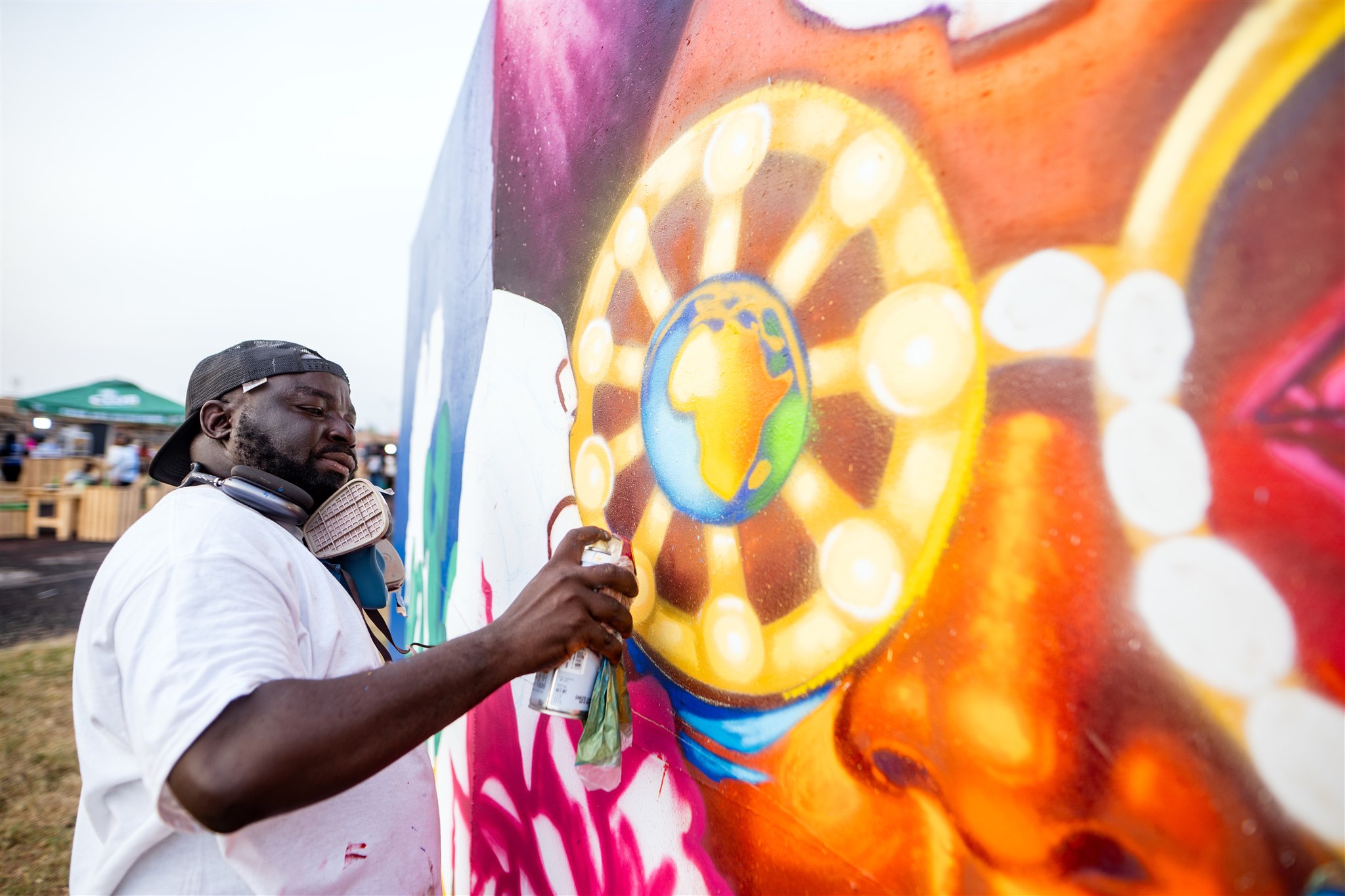
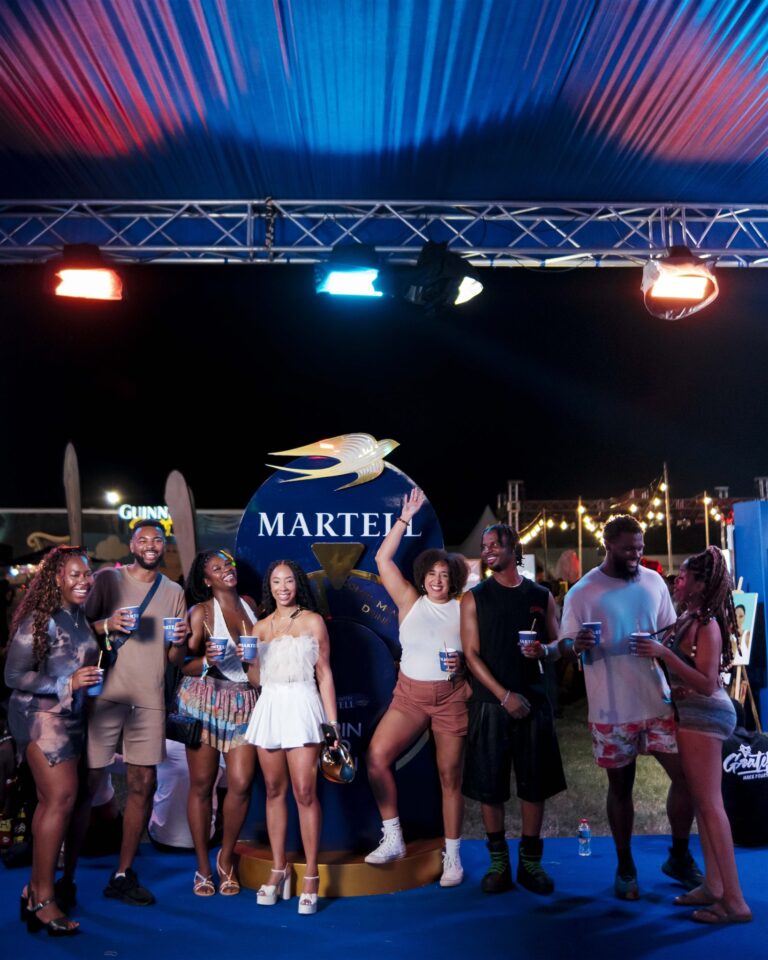
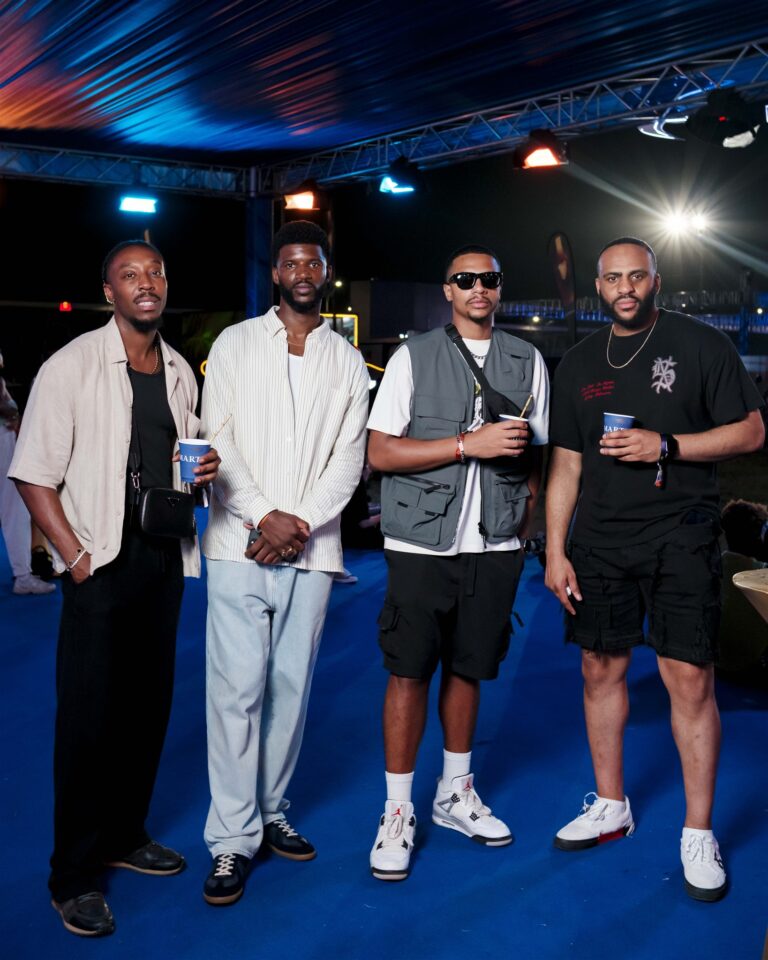
The Maison Martell Experience quickly emerged as one of the festival’s most magnetic spaces. Positioned at the heart of the grounds, it became a place people returned to throughout the day and into the night. Live art by Moh Awudu unfolded in real time, bold installations doubled as cultural statements, and interactive moments, from spin-and-win experiences to curated photo spaces, kept energy circulating well before the music began.
Martell introduced a dedicated brand immersion room led by Leah Attfield. Within an intimate, thoughtfully curated space, guests were introduced to the Maison’s history and way of life through a guided experience designed to inform and engage. As one of the oldest of the great cognac houses, Maison Martell, founded in 1715, with its art de vivre reflects a longstanding celebration of French elegance, craftsmanship, and gastronomy. Cocktail-making sessions followed, offering a hands-on way to connect craftsmanship with celebration. The VVIP area extended the experience further, with a private bar and bottle service that became the hotspot for creators, cultural leaders, and special guests looking for a premium festival moment without losing the spirit of AfroFuture.
How Ghana Builds Energy
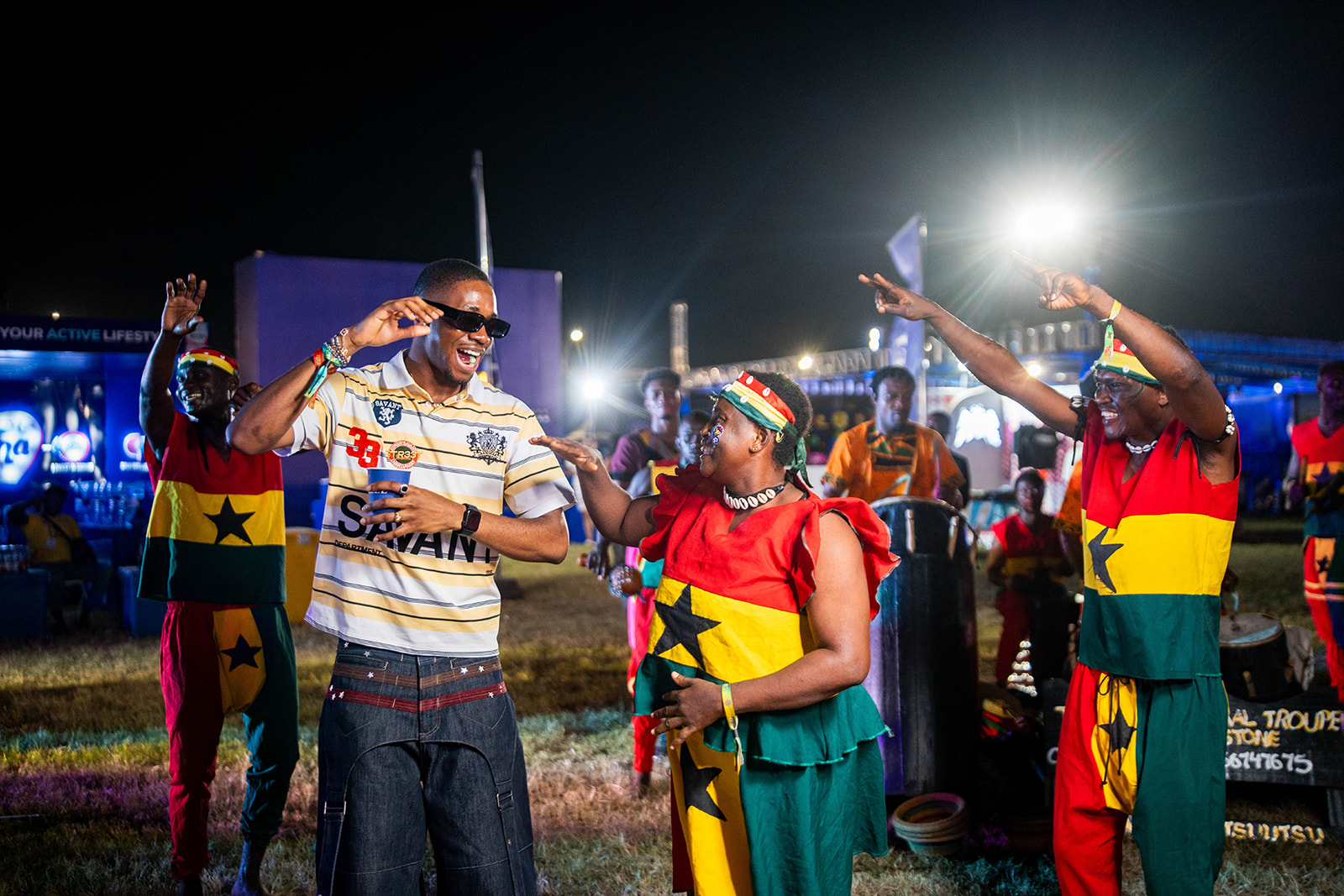
Yet AfroFuture’s power lies in how it builds. Arriving early on day one revealed a key truth about Ghanaian culture: the party does not rush. It gathers momentum. Traditional dancers moved fluidly through the grounds, fashion became conversation, games invited participation, and food stalls offered a sensory introduction to Ghanaian flavour. Long before the first headliner took the stage, the experience already felt complete.
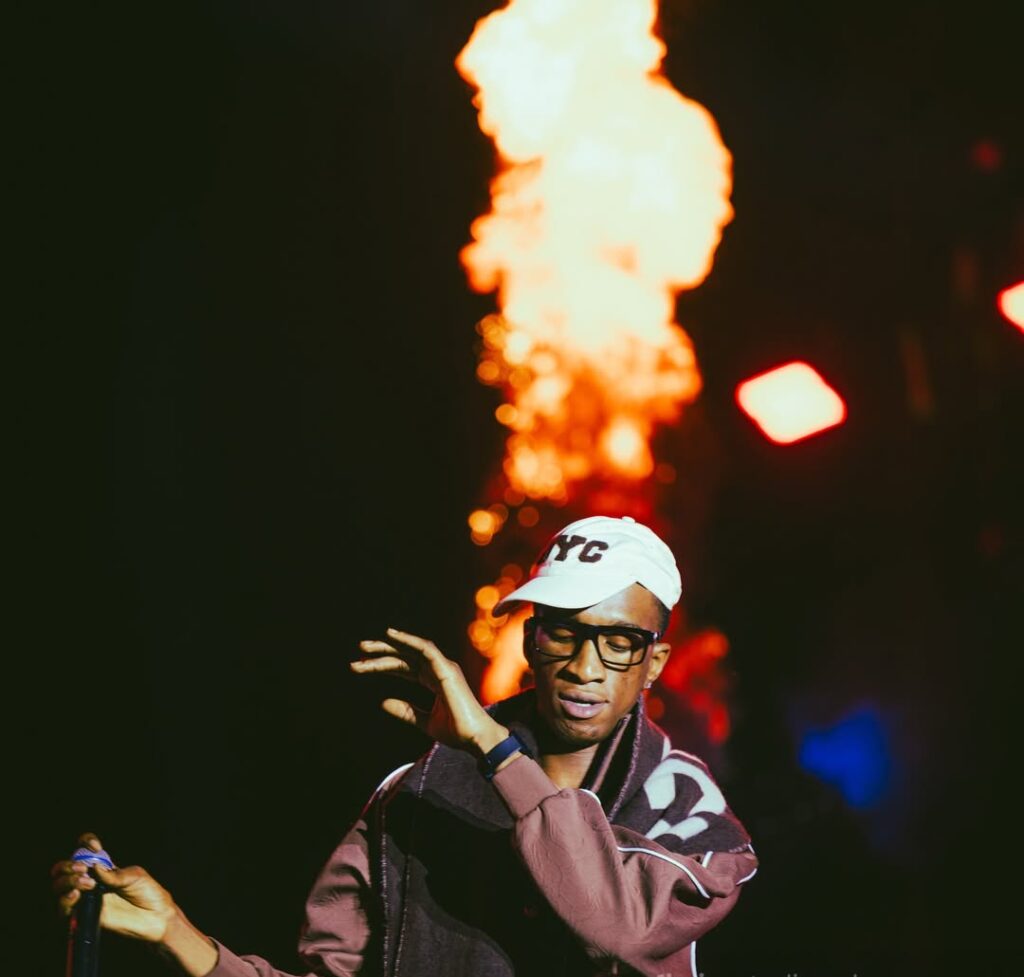
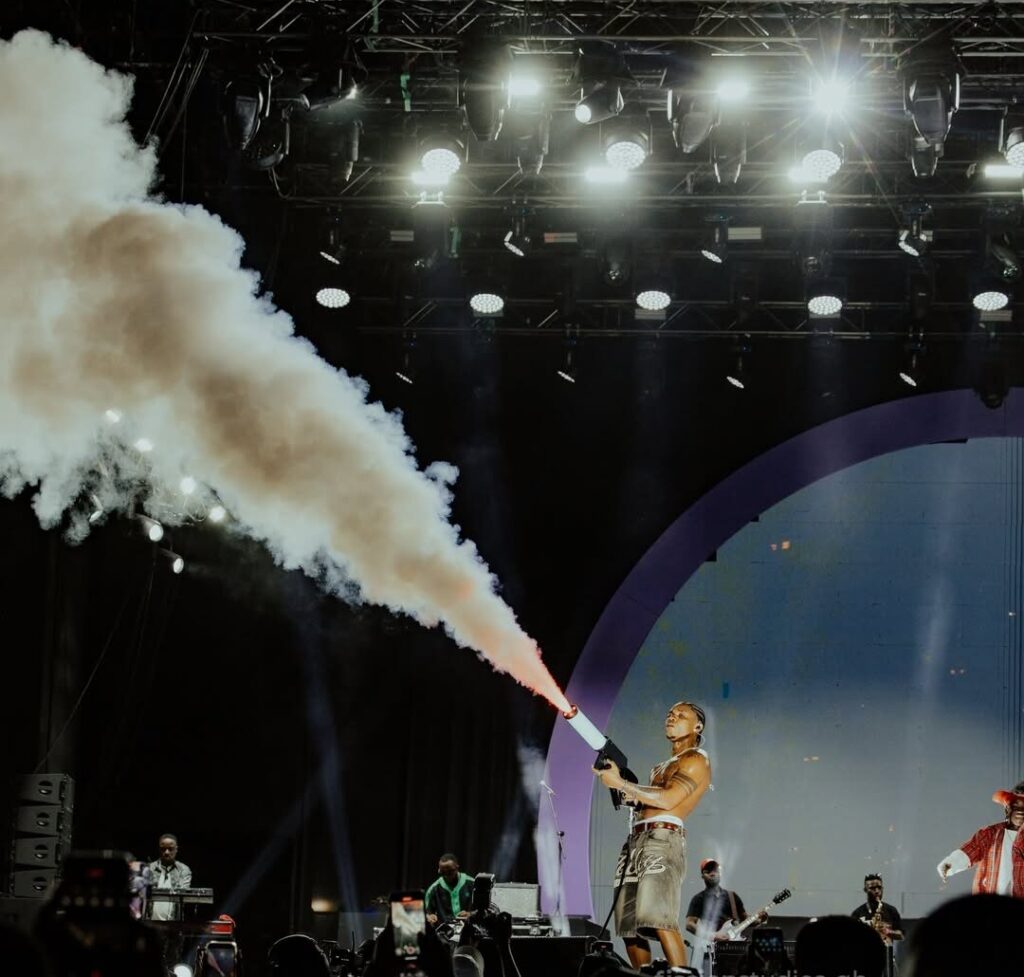
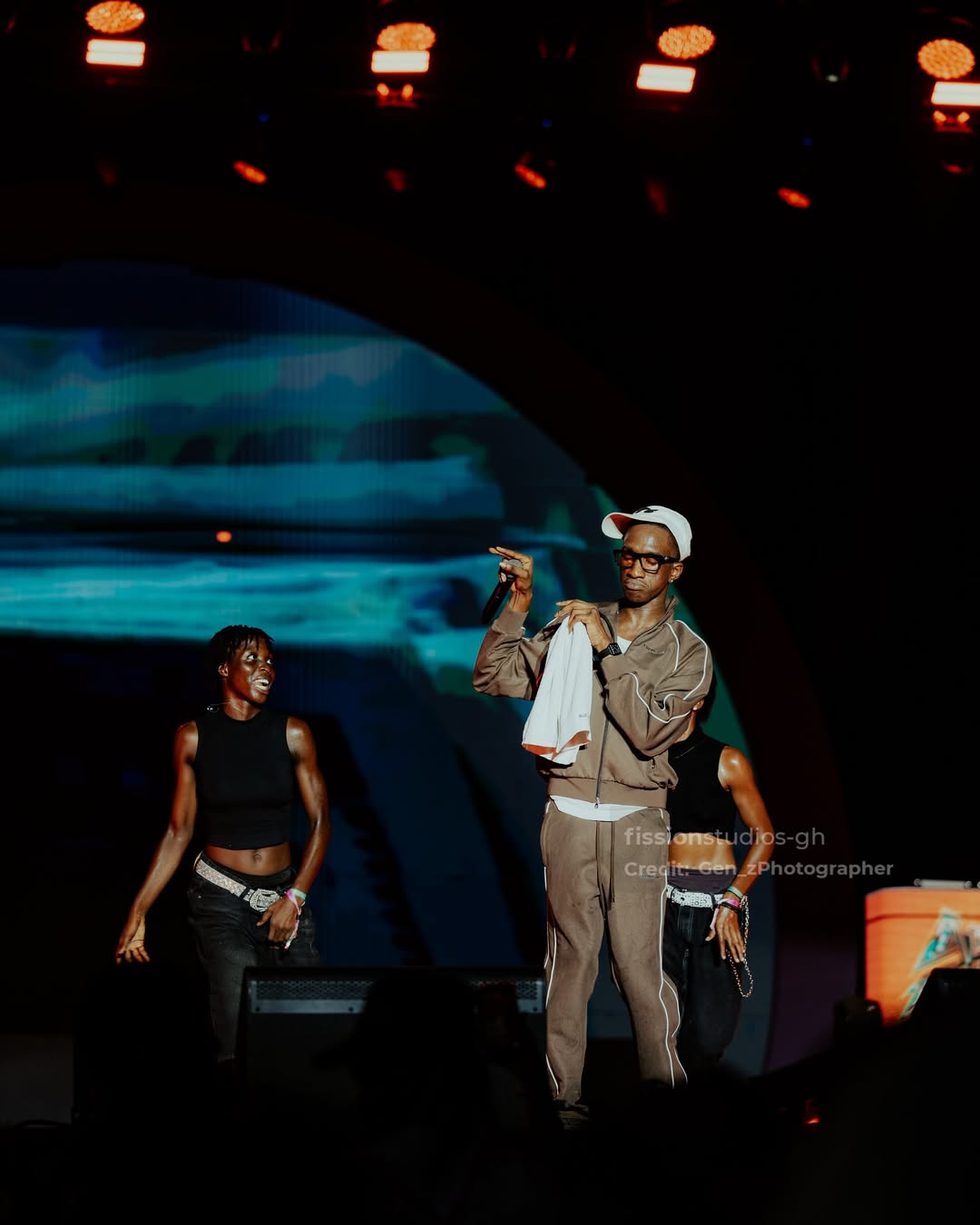
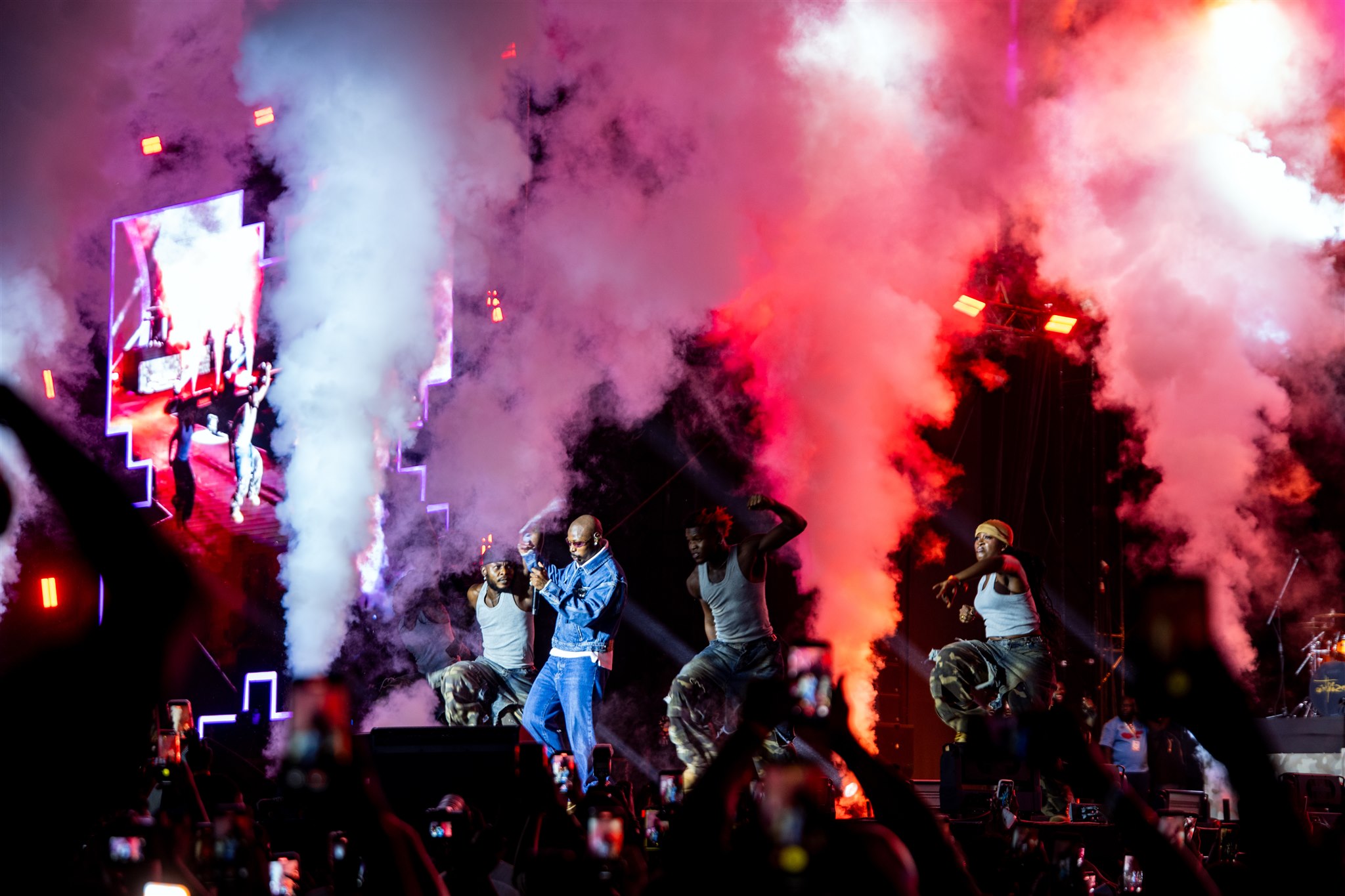
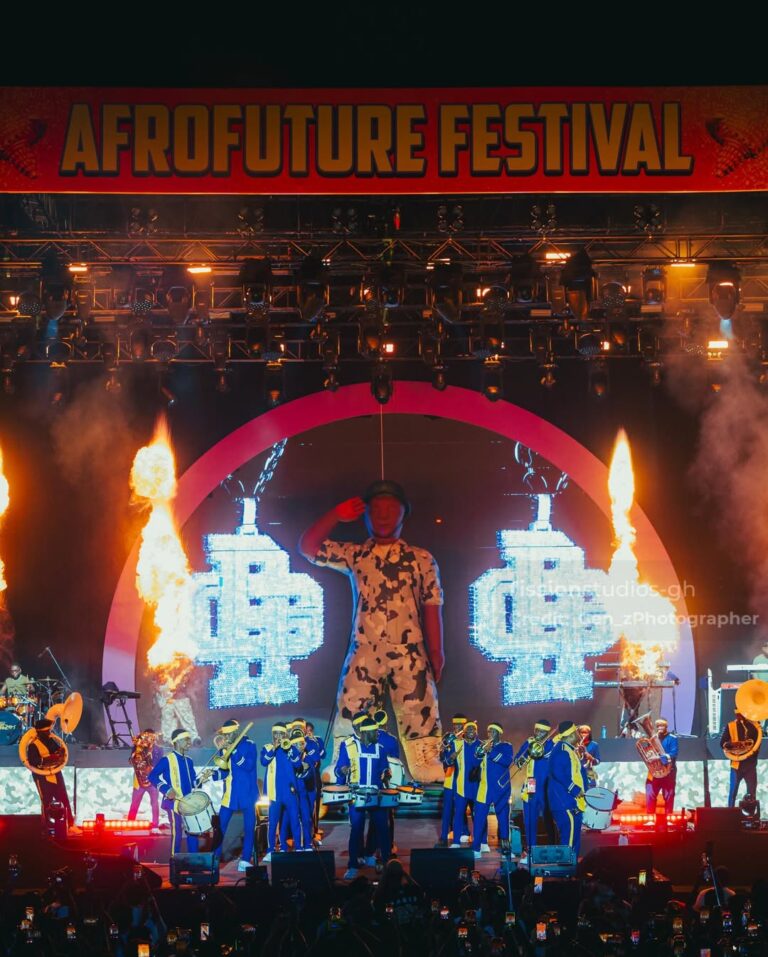
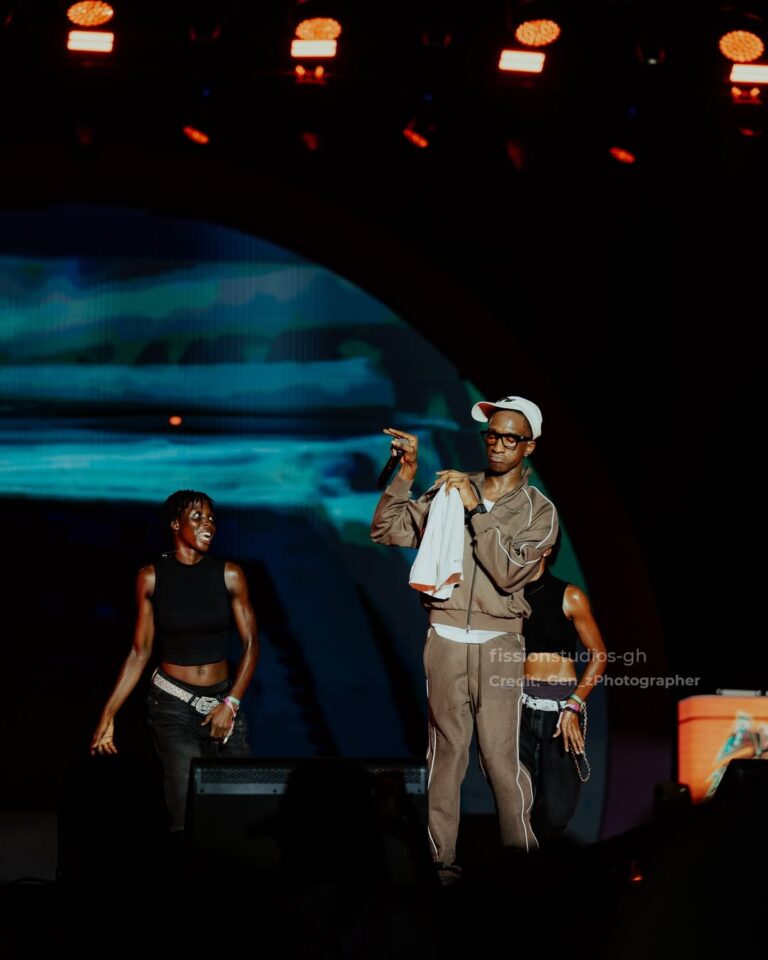
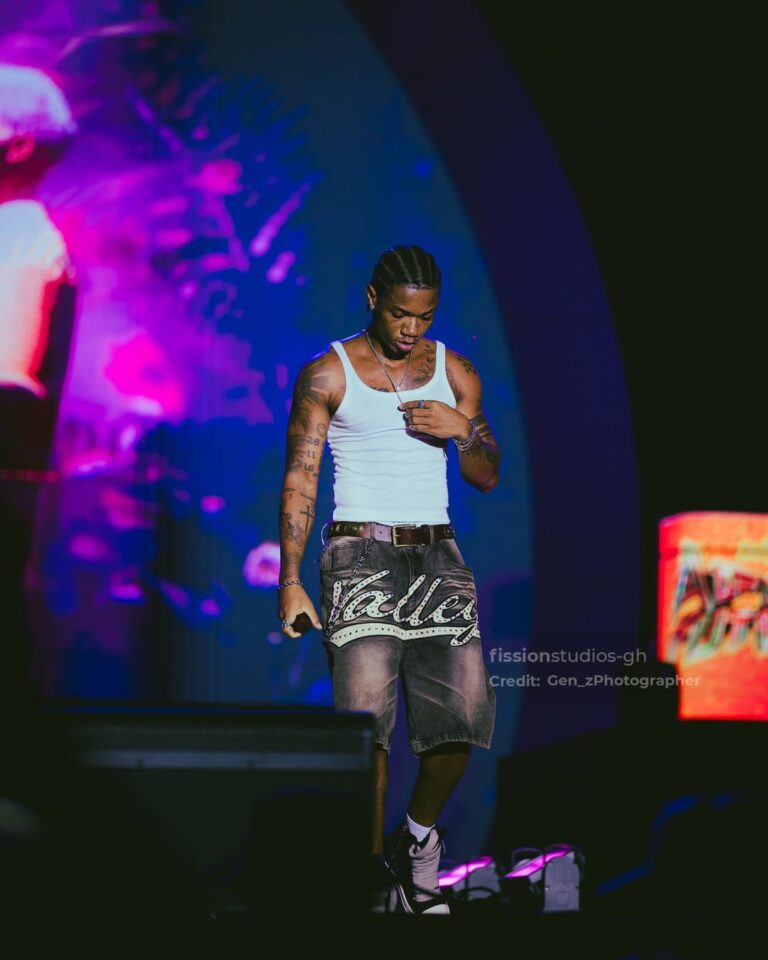
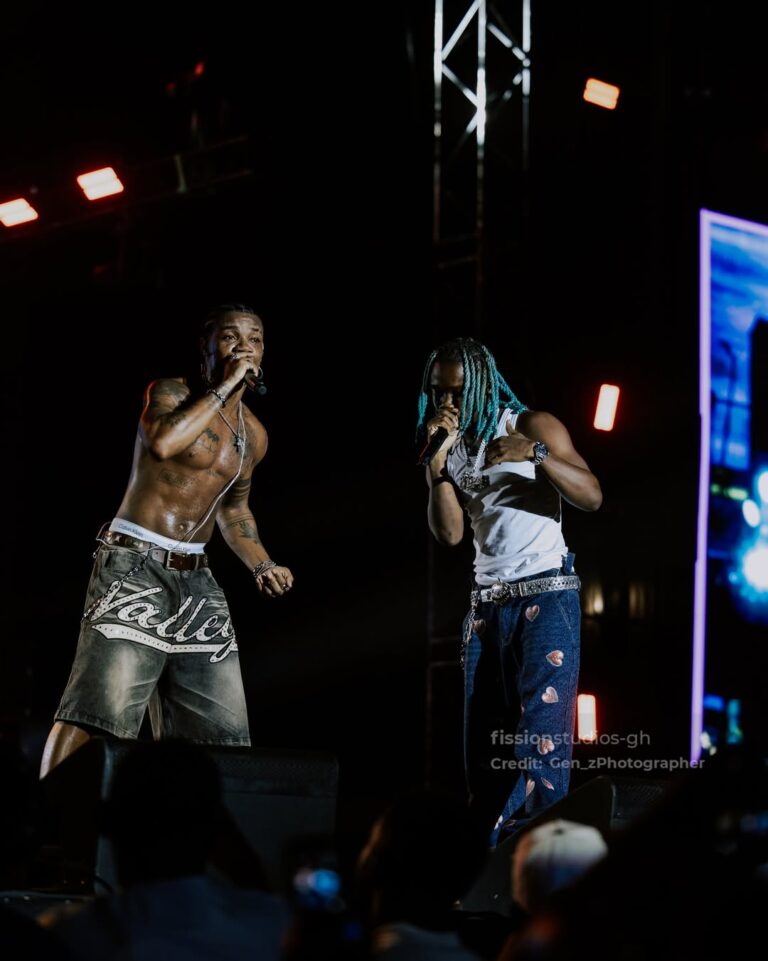
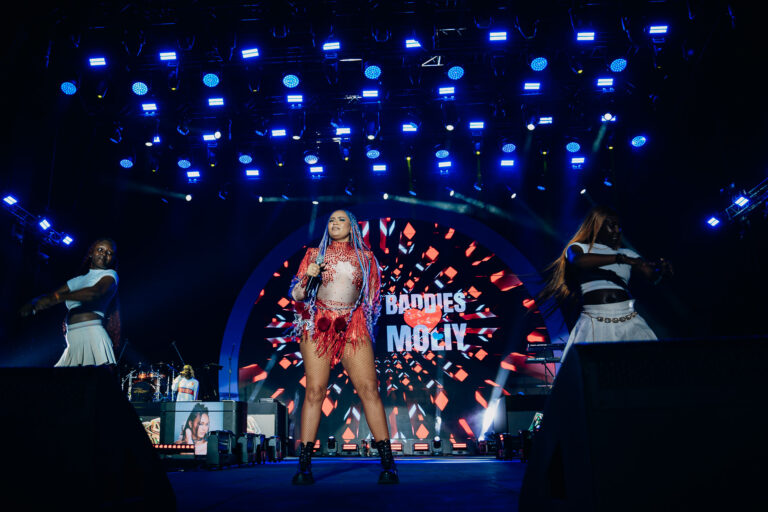
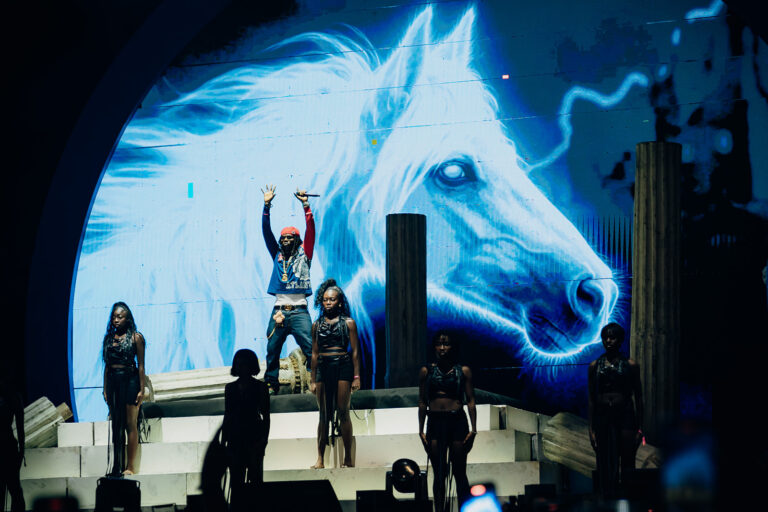
When the performances began, they exceeded expectation. In an era where festival sets are often shortened to accommodate packed lineups, AfroFuture delivered the opposite. Headline performances felt expansive and intentional, rivaling full tour shows in length, production, and audience engagement. Talent including Asake, Rema, KiDi, Moliy May, Mavo, TxC, surprise acts King Promise, Kojo Blak and many more, alongside a strong lineup of DJs from around the globe and supporting acts, carried the energy across both days.
Conversations Beyond the Spotlight
Rema, in particular, captured the spirit of the weekend. At one point, he asked the crowd which song they wanted next. It felt as though every fan favourite had already been performed, until he reminded the audience that there was still “another banger” waiting. Then another. And another. The moment reflected what AfroFuture does best: overdelivering without spectacle for spectacle’s sake.
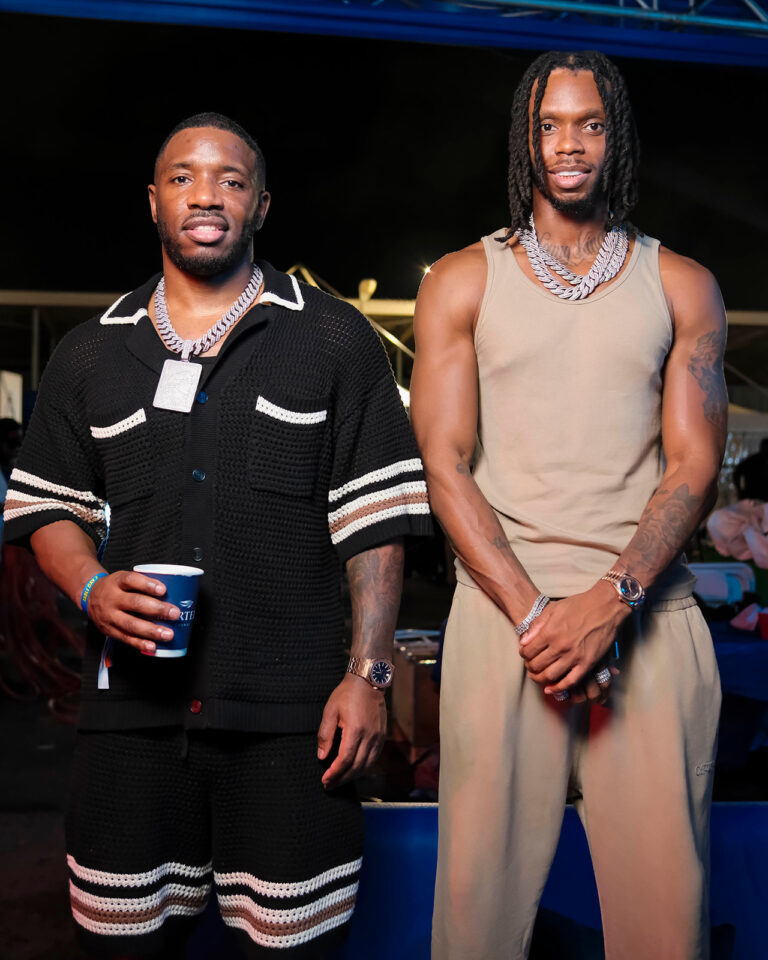
Beyond the stages, AfroFuture 2025 revealed a quieter, more reflective layer of the festival. Away from the spectacle, conversations unfolded that carried just as much weight as the performances themselves. In those moments, talent spoke candidly about what they were stepping into in 2026, pointing to a shared shift toward intention, freedom, and alignment.
“I’m coming for the whole world,” Rema shared backstage. “This next chapter is about vibes and love frequency.”
For KiDi, the focus was internal before it was expansive. “This year I’m more free-spirited,” he said. “I’m putting my inhibitions behind me and choosing to live. Whether you’re working a nine-to-five or chasing your dreams, remember to live.”
Others kept their messages sharp and unapologetic.
Iní Cash summed it up simply: “New year, same old me.”
Chi spoke about intention and boundaries. “More success, more money, more peace,” she said. “And creating safe environments for myself and the people around me.”
Lolahstic affirmed her identity without compromise. “I’m unapologetically African. Africa is now, has always been, and is forever. It’s fine if you want to join us, but you cannot beat us.”
And for Adesope Shopsydoo, known widely as the Energy God, the message was momentum. “This year should be nothing short of possibility,” he said; building on the positive energy of the past and pushing it even further.
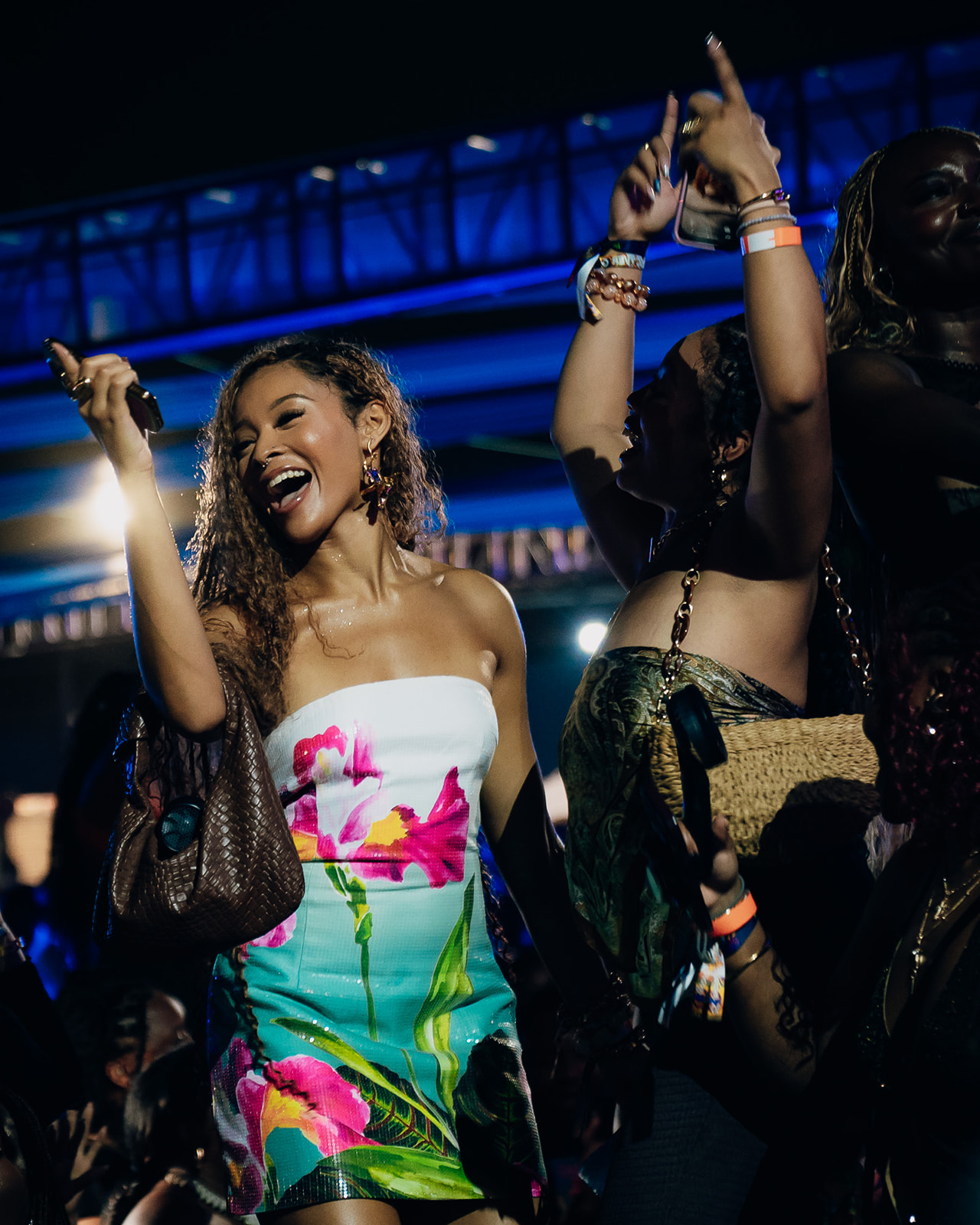
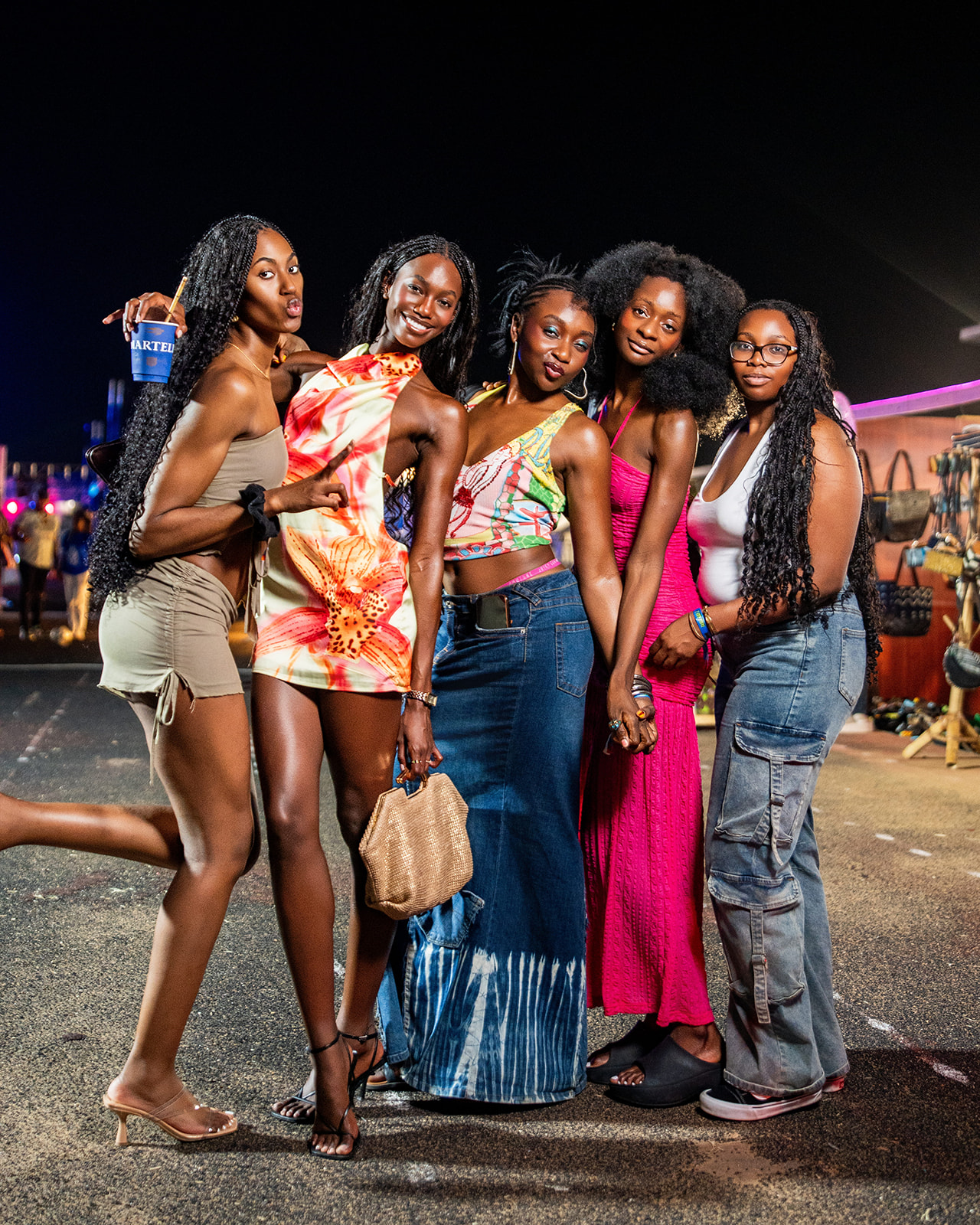
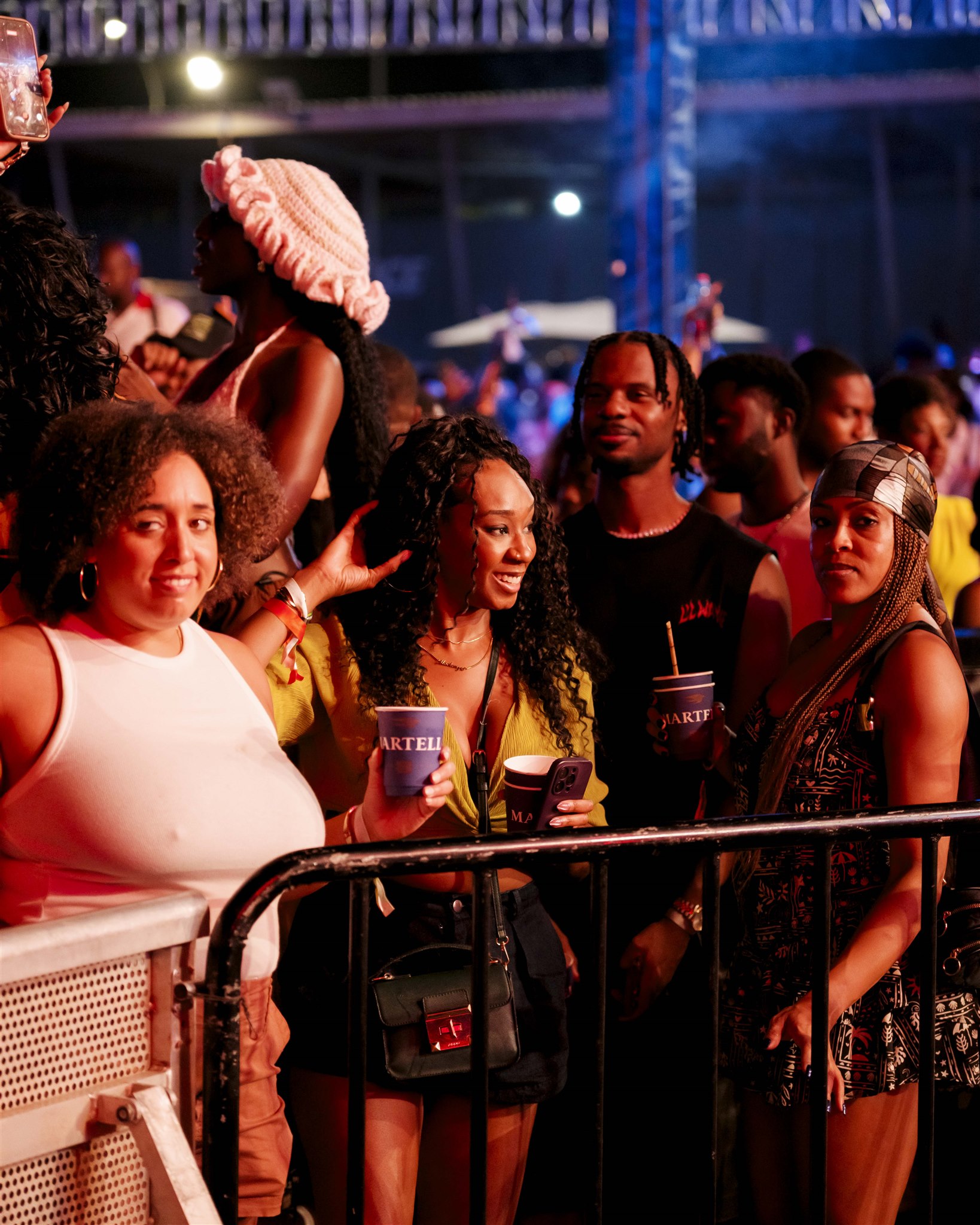
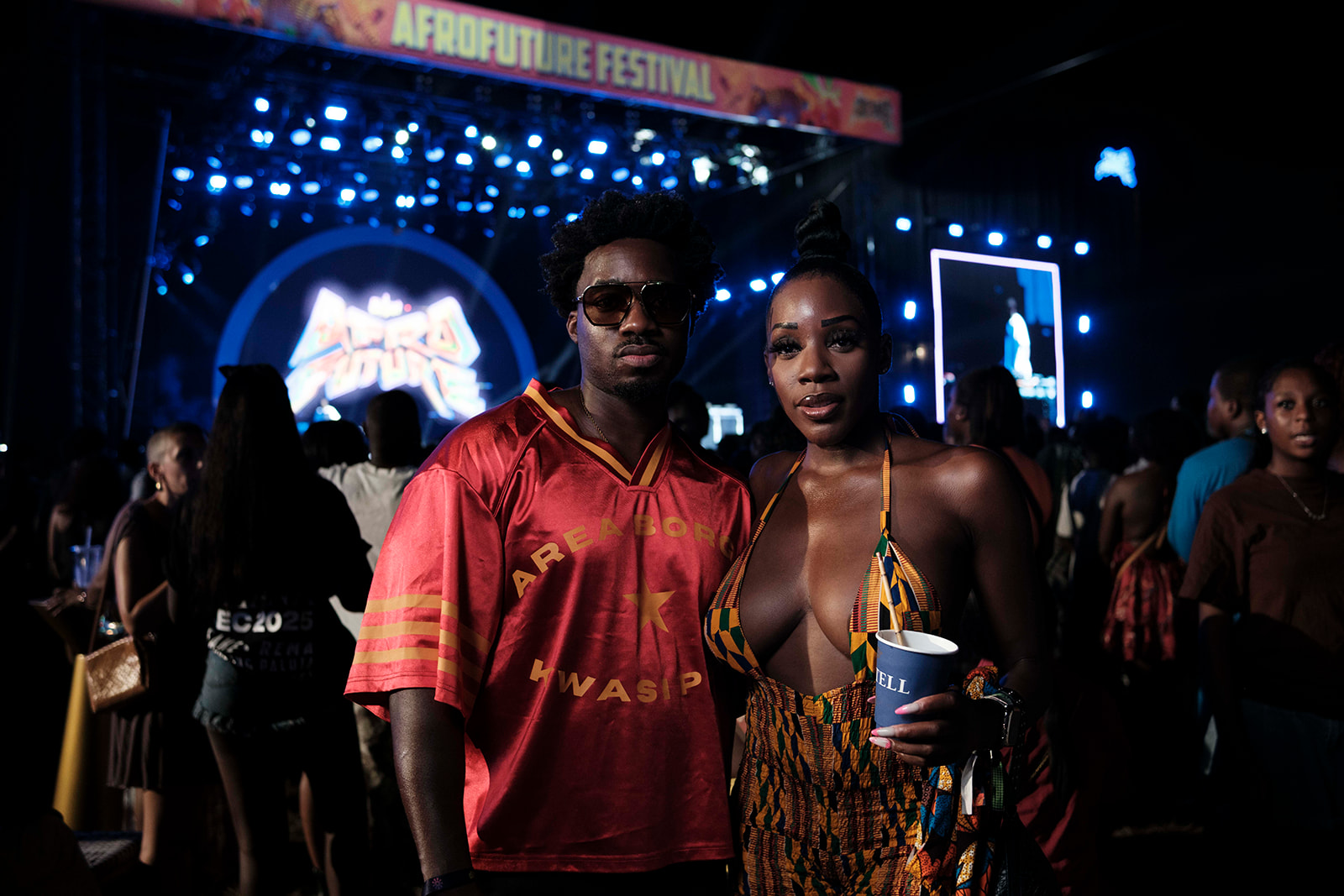
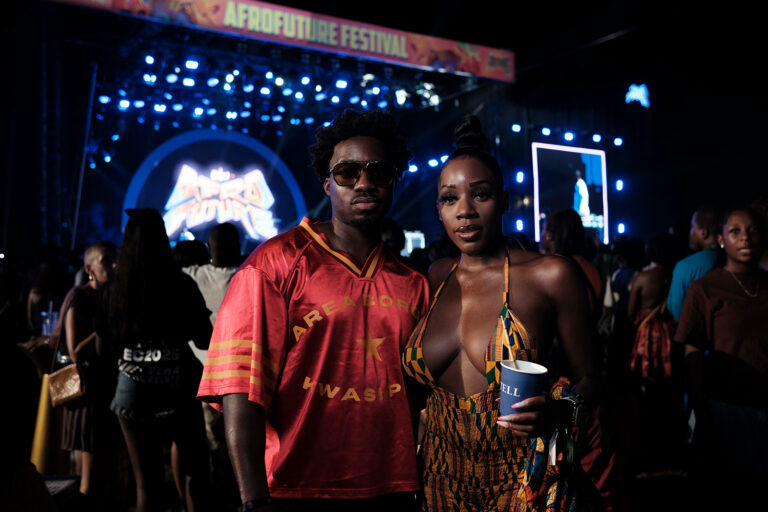
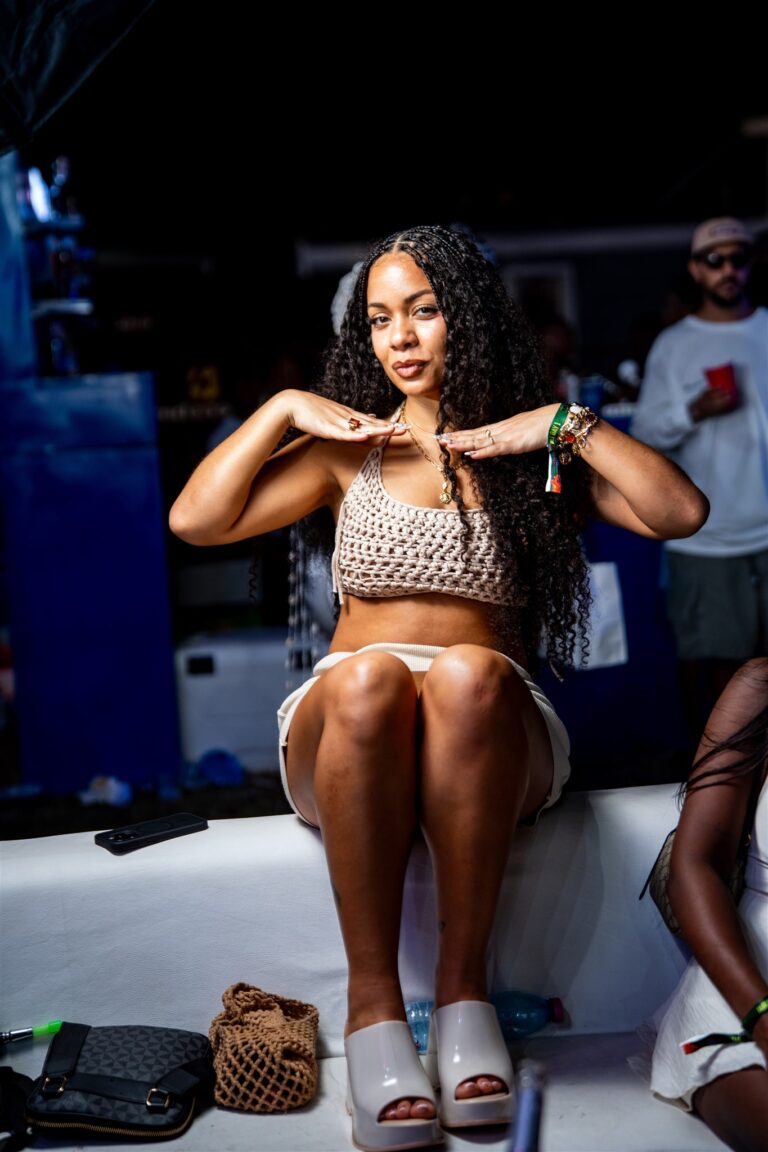
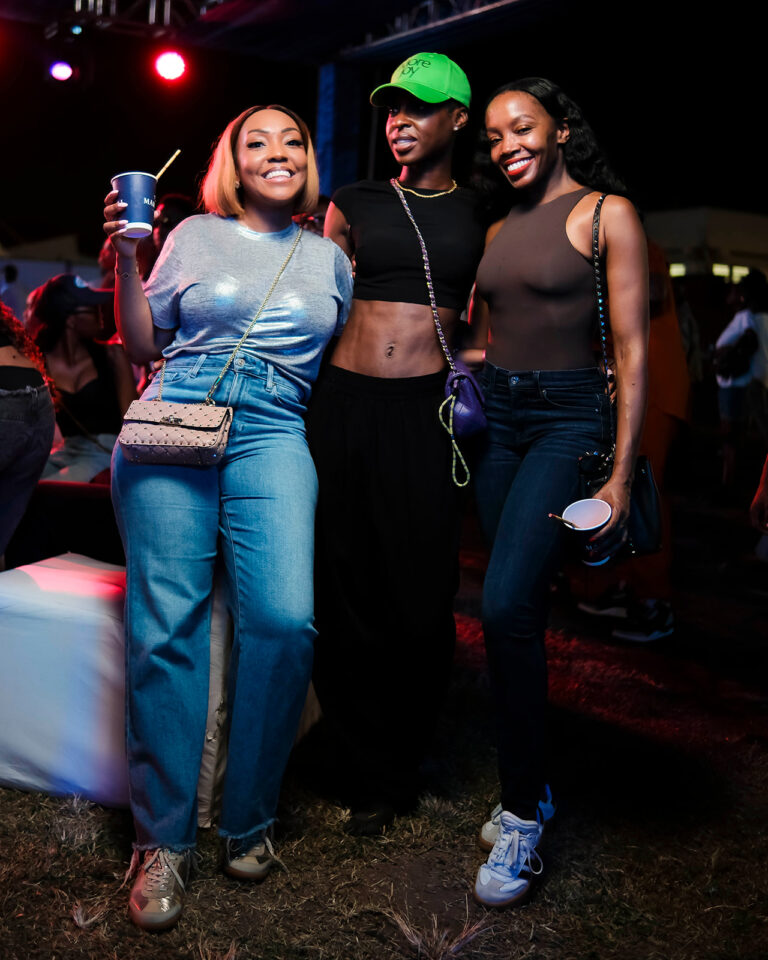
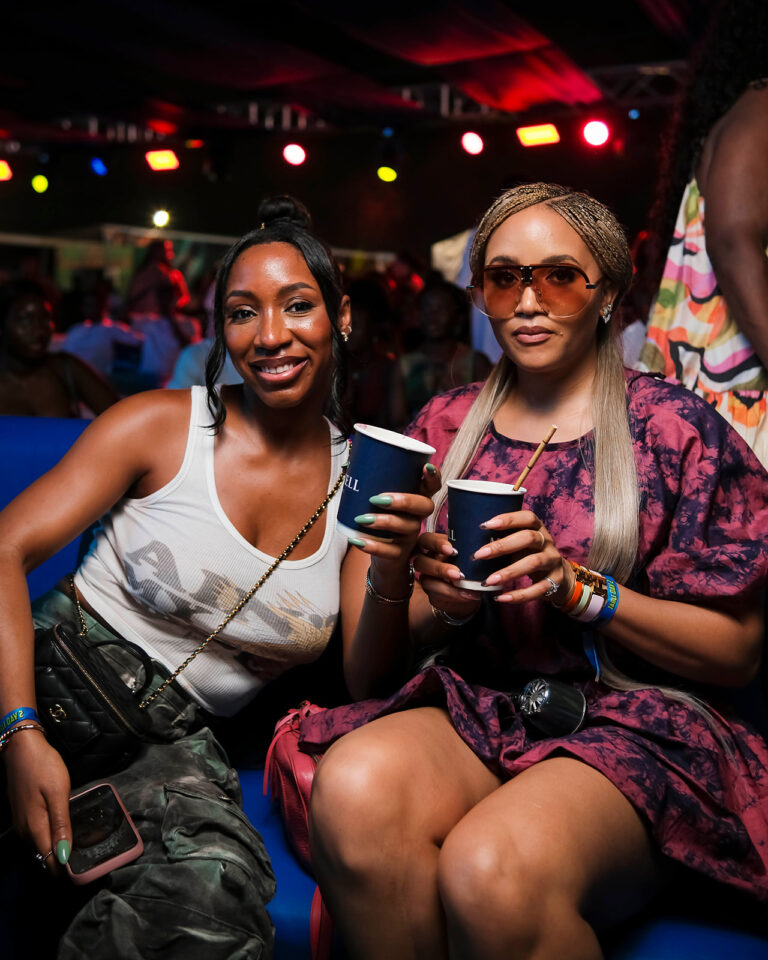
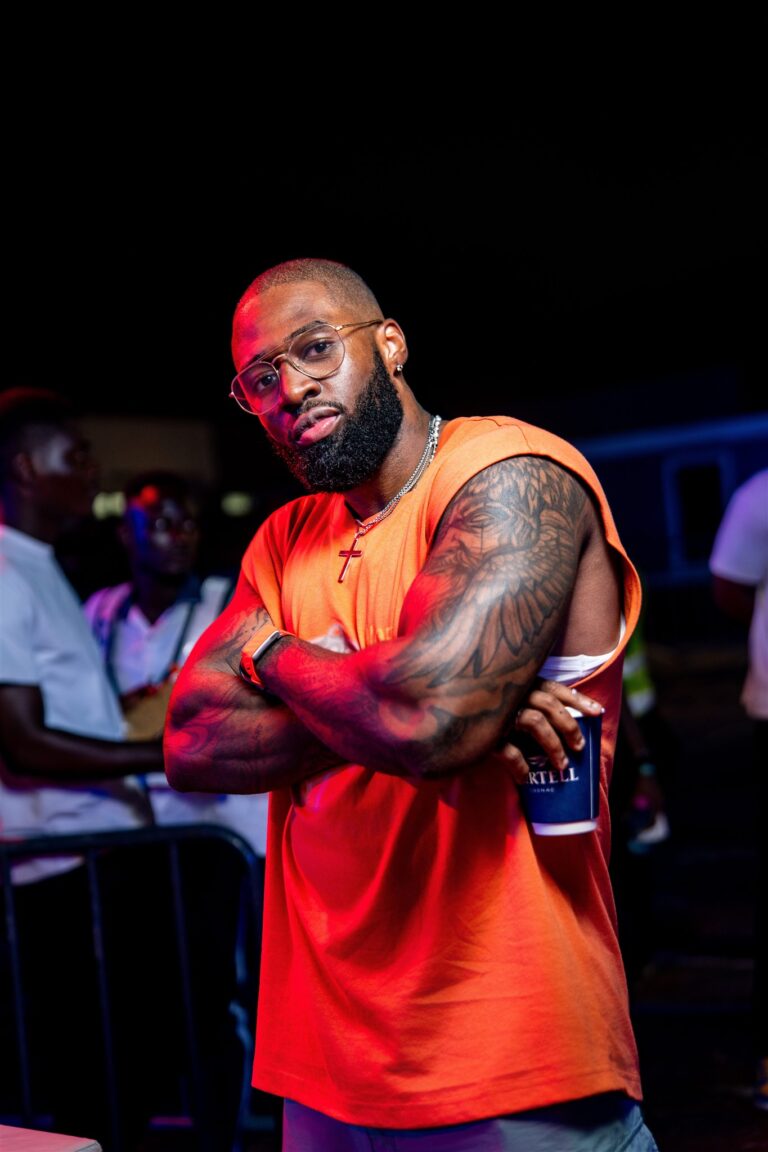
What made AfroFuture especially powerful was the audience itself. Festivalgoers from across Ghana and the global diaspora filled the grounds not as spectators, but as participants. Culture was not being consumed; it was being shared. The exchange felt mutual, intentional, and deeply human.

Why AfroFuture Remains the Blueprint
Across both days, thousands passed through AfroFuture, yet the atmosphere never lost its intimacy. Even the Accra heat could not slow the momentum. Extended sets, thoughtful visuals, and undeniable stage presence carried the nights forward, reinforcing why Ghana continues to anchor December on the global cultural calendar.
As AfroFuture grows as a global platform, Martell’s presence at the 2025 edition reinforced a long-term commitment to African creativity, heritage, and community. Together, they demonstrated that when culture is treated with care, the experience speaks for itself.
AfroFuture 2025 was not just a highlight of Detty December. It was a reminder that Ghana remains a blueprint, not only for festivals, but for how culture can be honoured, evolved, and shared with the world.