
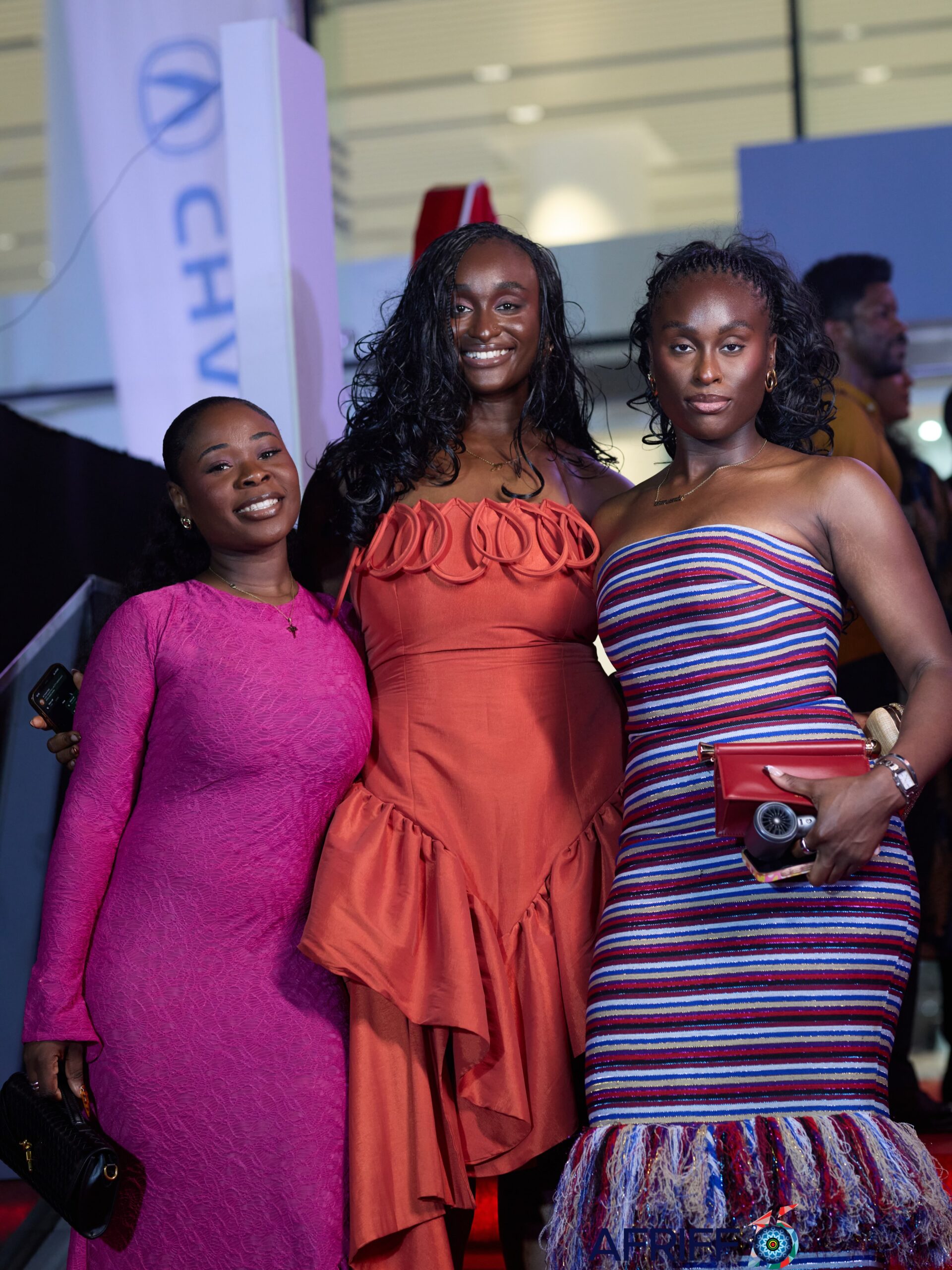
The 15th edition of the Africa International Film Festival (AFRIFF) opened with a night that brought together an international film community while keeping African cinema firmly at the centre of the conversation. Founded by Chioma Ude in 2010, AFRIFF has grown into an important meeting point for filmmakers, producers, actors, distributors and audiences invested in the possibilities of African cinema. This year’s edition brought together films and creative voices from across the continent and beyond, with an official selection spanning feature films, documentaries, short films, animation and student productions.
The opening night was a star-studded affair, bringing together Nollywood royalty, Hollywood names and members of the wider African creative community. Among those in attendance were Rita Dominic, Hollywood power couple Meagan Good-Majors and Jonathan Majors, and actor Djimon Hounsou, who joined festival founder Chioma Ude on the red carpet as a special guest of honour. They were joined by acclaimed actors Hakeem Kae-Kazim and Osas Ighodaro, director Olive Nwosu, Somkele Idhalama, Toni Tones, Ramsey Nouah, Wole Ojo, Frederick Leonard, John Tyler Ekanem, Bucci Franklin, Real Warri Pikin and Dorothy Bachor. Kunle Remi hosted the evening, which also welcomed filmmakers, actors and other industry heavyweights.
Beyond the glamour, the gathering reflected the increasingly global nature of African cinema. As African filmmakers build audiences beyond the continent, festivals like AFRIFF create opportunities for connections between local talent, international industry players and members of the diaspora who remain invested in the stories, culture and creative industries of their ancestral home.
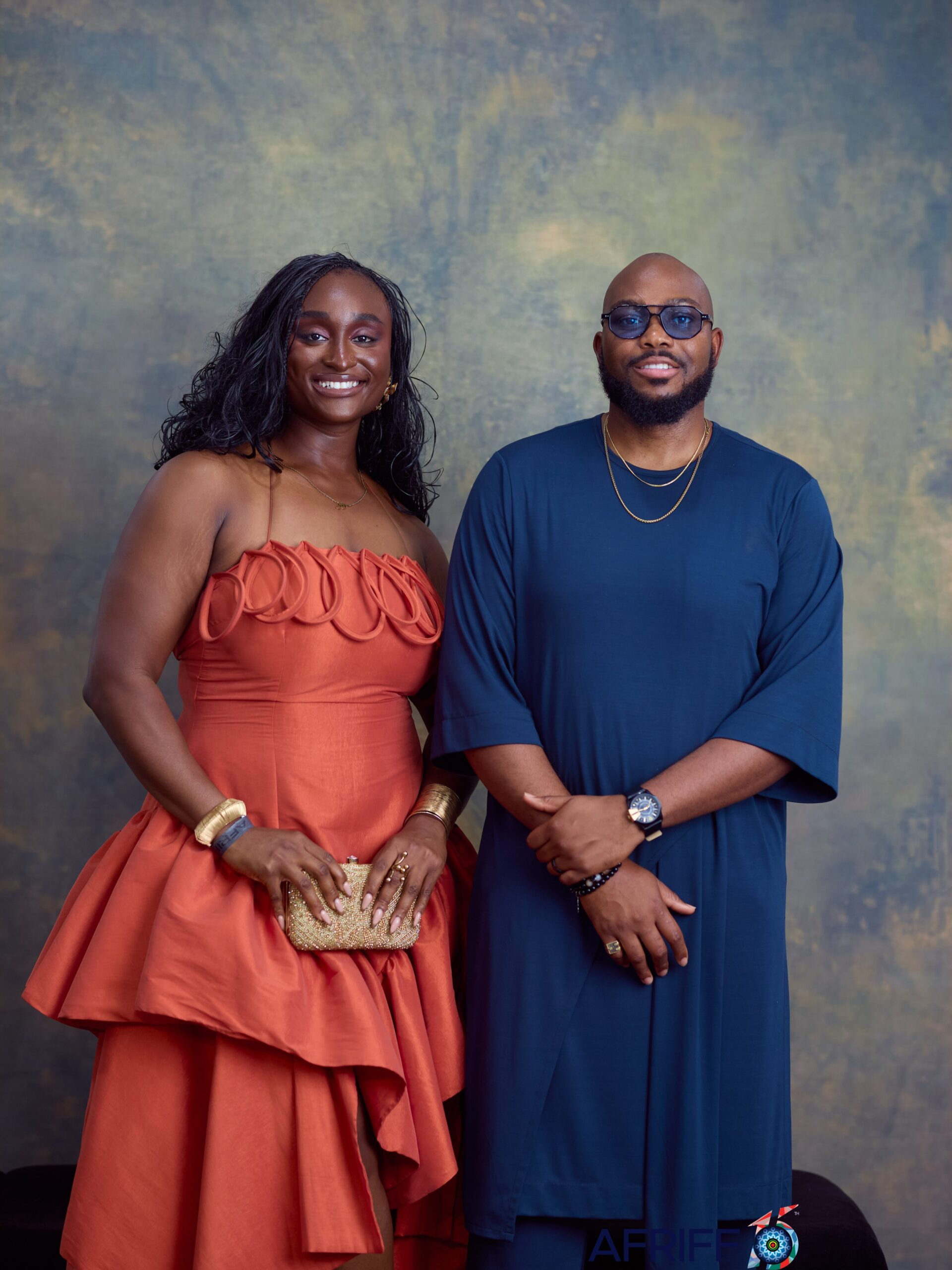
Image Credit: @AFRIFF
The festival opened with Lady, Nigerian filmmaker Olive Nwosu’s feature directorial debut. Set against the backdrop of Lagos, the film follows a young female taxi driver who takes on the job of transporting a group of sex workers during their nightly rounds. As the journey unfolds, she is forced to confront her past and reconsider her assumptions about the women she encounters. Rather than relying on sweeping narratives, Lady draws attention to the individual experiences, relationships and contradictions that shape life in the city.
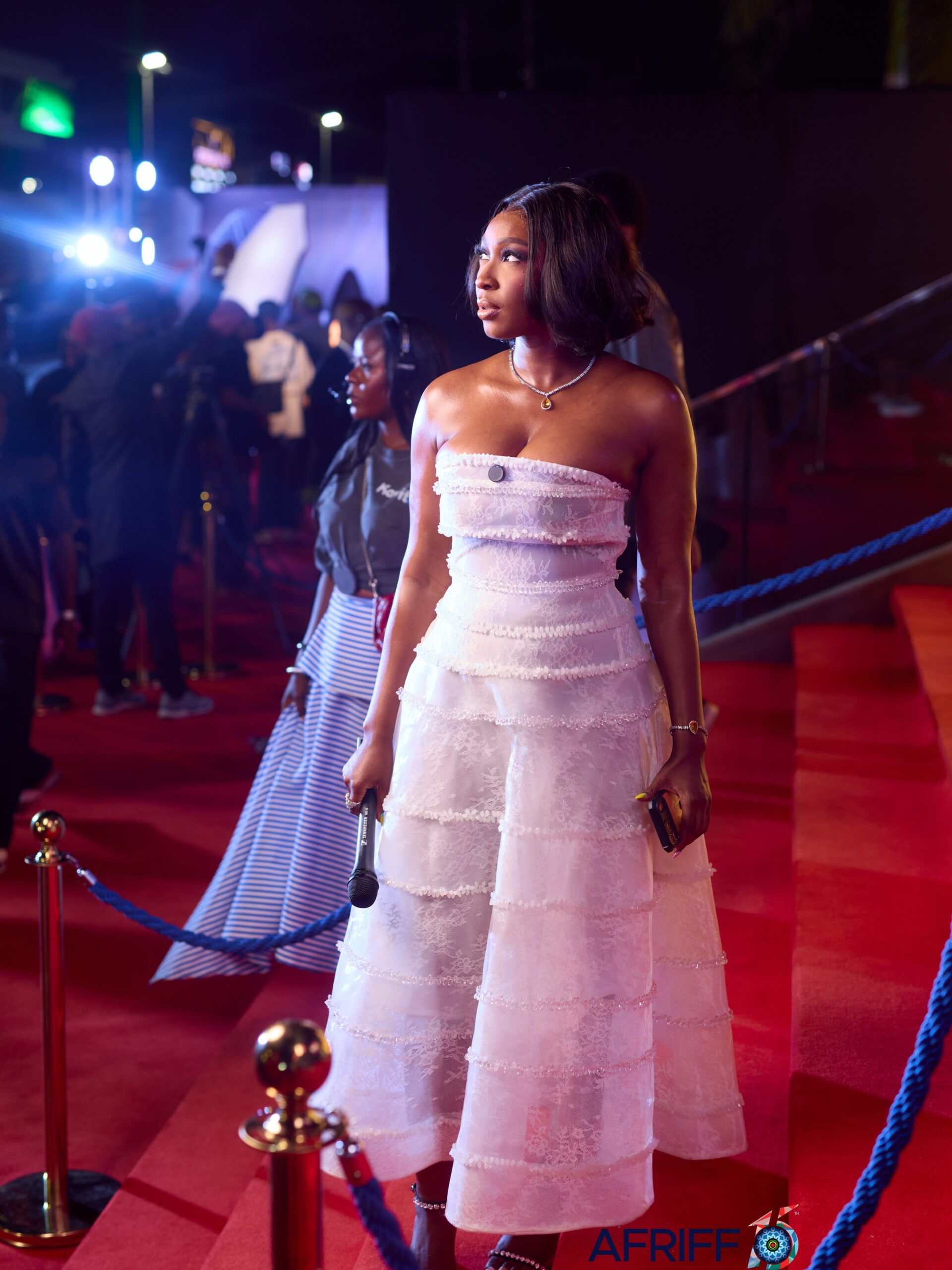
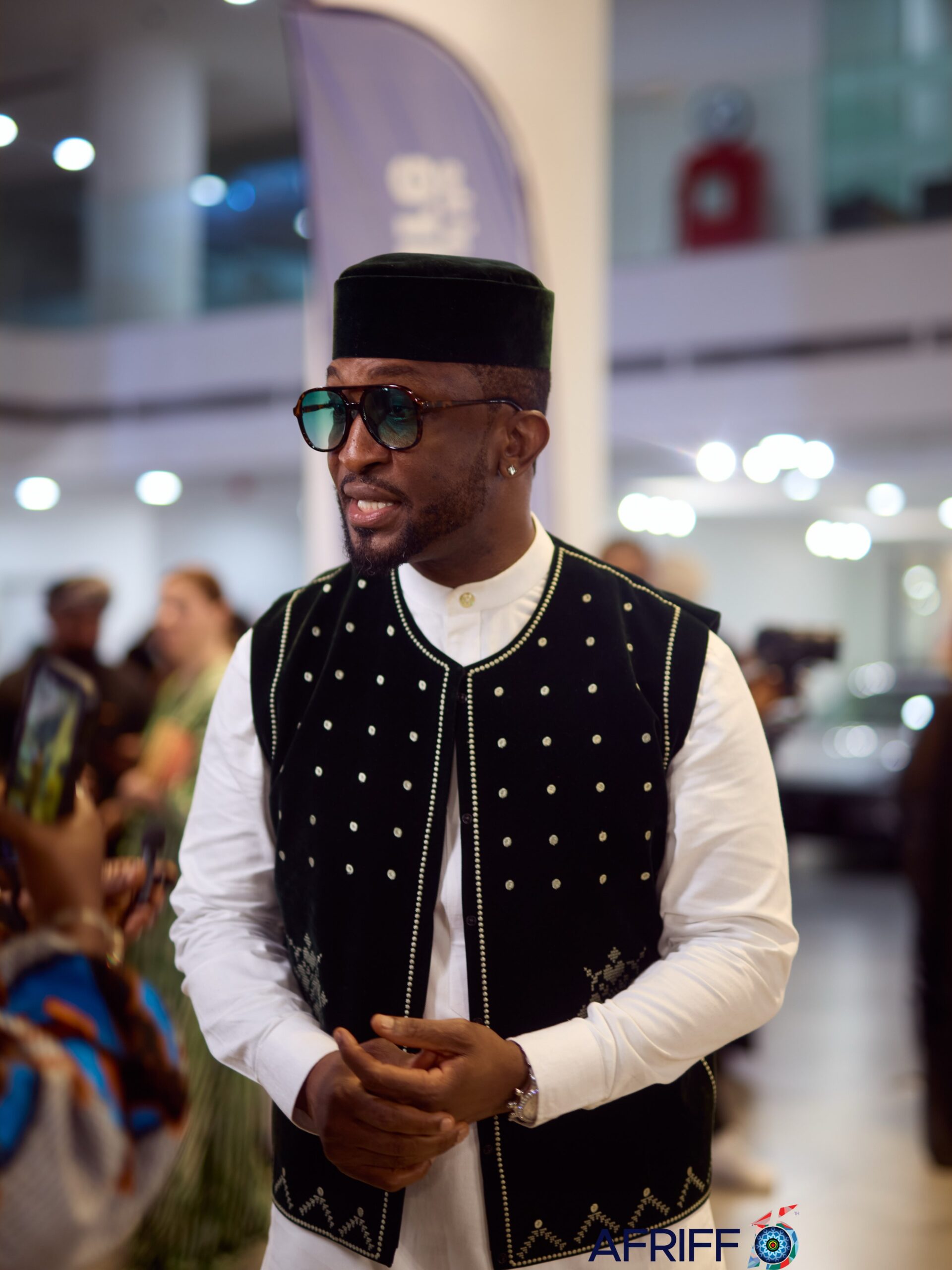
Image Credit: @afriff
The festival closed with It’s the Blackness, the feature directorial debut of acclaimed actor Hakeem Kae-Kazim, rounding off an edition that celebrated the range of stories emerging from African filmmakers and the growing international interest in the continent’s film industry.
Ultimately, AFRIFF is a reminder that African cinema’s future is not limited by geography. From Lagos to London, Accra to Los Angeles, the opportunity lies in building stronger creative relationships, expanding access to audiences and ensuring that African stories can be told, financed, distributed and celebrated on a global stage.