
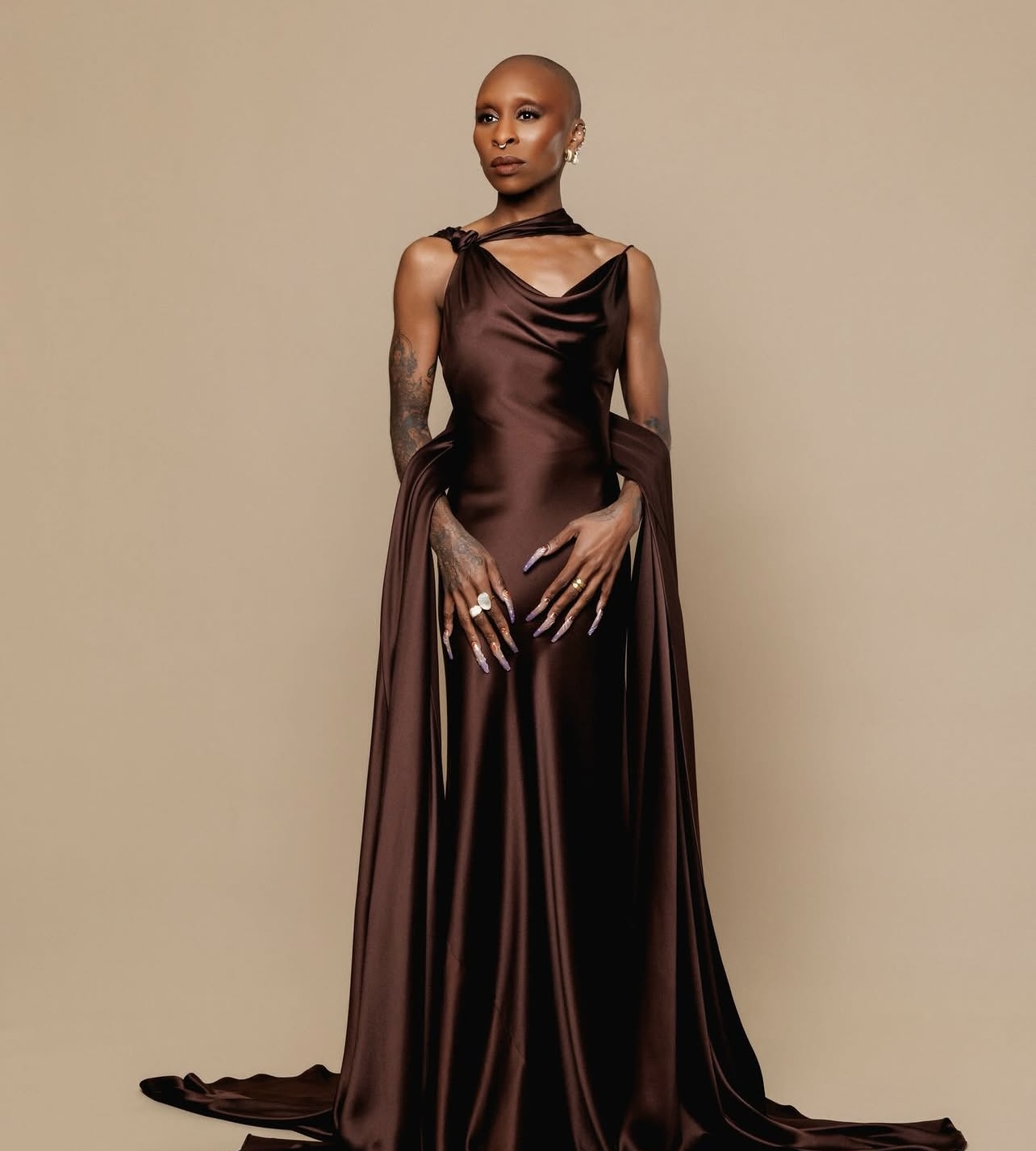
Image Credit: Instagram @cynthiaerivo
Hot off the heels of the wildly successful Wicked films, Emmy, Grammy and Tony winning actress Cynthia Erivo is set to bring the story of Miriam Makeba to the big screen in a new $16M production. It’s a casting and a moment that feels less like coincidence and more like cultural alignment: a global performer stepping into the legacy of one of Africa’s most important voices.
Known worldwide as “Mama Africa,” Makeba was never just a singer. She was a political force, a cultural ambassador, and, at times, a target. Her career took off in the late 1950s, but it was her exile from apartheid South Africa that transformed her into an international symbol. After speaking out against the regime which included a historic address at the United Nations, she was banned from returning home for over three decades. In that time, her voice travelled further than any border could contain.
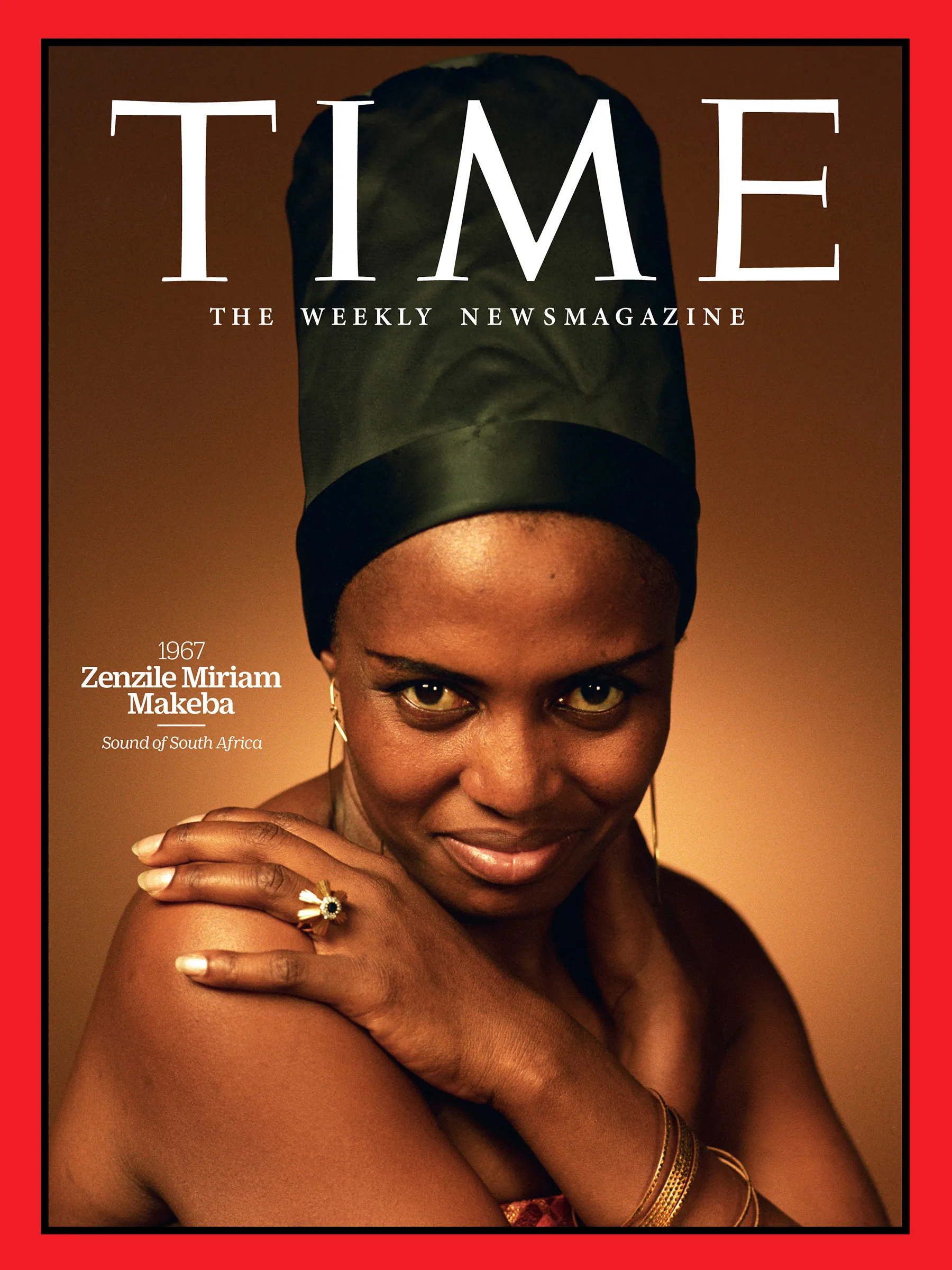
Songs like “Pata Pata” introduced global audiences to African sound long before the industry had language for “world music.” But to reduce Makeba to her biggest hit is to miss the point. Her music carried language, memory, and resistance. She performed in Xhosa and Zulu at a time when Western audiences expected assimilation. She refused to translate herself entirely and that refusal became part of her power.
A film about Makeba, then, isn’t just overdue—it’s necessary. For all the global conversations about Afrobeats, African fashion, and the continent’s cultural export today, Makeba represents an earlier blueprint: a moment when African identity was being asserted on the world stage under far more hostile conditions. Long before streaming platforms and social media accelerated visibility, she built a global audience through sheer force of talent and conviction.
Erivo stepping into this role adds another layer of resonance. Known for performances that balance emotional precision with vocal power, she brings both the technical skill and cultural proximity required to carry Makeba’s story. It also signals a continued shift in how African stories are being told—by actors and creatives who understand the nuance, rather than flattening it for global consumption.