
Reclaiming the Blueprint: African Fashion and the Illusion of Luxury
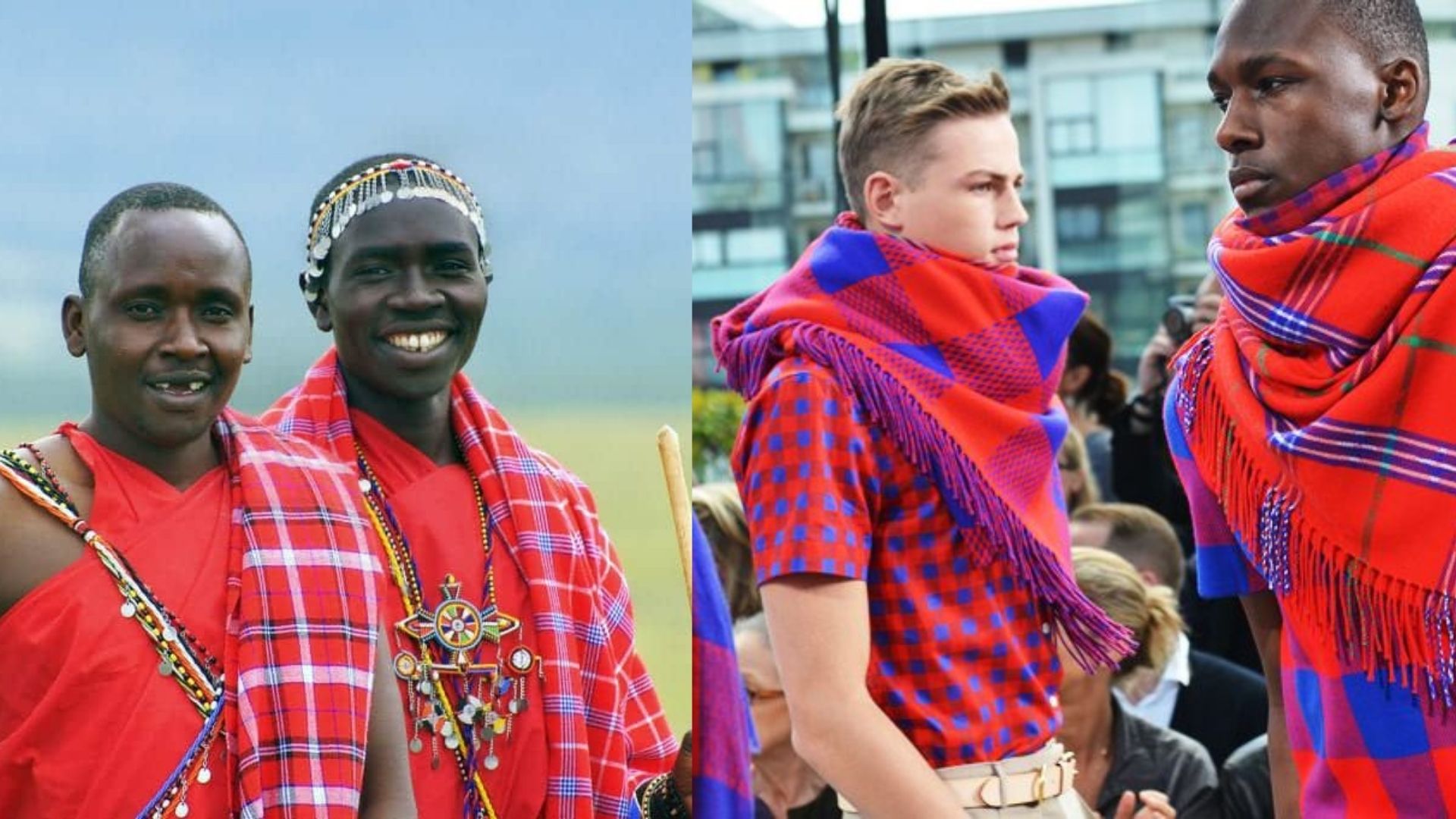
There’s a quiet contradiction at the heart of global fashion.
What the world celebrates as “high fashion” often begins in places it has long overlooked. The silhouettes, textures, patterns, and craftsmanship that dominate international runways are not new inventions. They are reinterpretations, often of African origin, reshaped and rebranded for a different audience.
African fashion has never lacked innovation. It has always been a space of identity, storytelling, and intention. From intricately woven textiles to symbolic beadwork, every detail carries meaning. These are not just garments. They are archives of culture, history, and community.
Yet within global fashion hierarchies, these same elements are frequently dismissed when they exist in their original context. Labeled as “traditional,” they are often seen as informal or lacking the prestige associated with luxury. But once removed from that context and filtered through established fashion systems, they are elevated, celebrated, and sold at a premium.
In recent years, global fashion houses like Louis Vuitton and Dior have presented collections featuring bold, graphic prints long associated with African wax fabrics. On international runways, these aesthetics are reintroduced as innovative and directional, despite their deep-rooted histories.
This raises an uncomfortable but necessary question: who decides what luxury is?
Luxury, as we know it today, is not just about quality or craftsmanship. It is deeply tied to perception, branding, and proximity to power. When African design elements are presented through global fashion houses, they gain access to systems that validate and amplify them. But the original creators and communities behind these aesthetics are rarely given the same visibility.
Consider the influence of Maasai beadwork. Its intricate color compositions and layered storytelling have inspired jewelry trends across the world. Yet the artisans behind these designs are seldom credited in the global narrative that profits from their visual language.
The same applies to silhouette. Garments like the agbada in West Africa or the kanzu in East Africa have long embodied structure, fluidity, and presence. Today, variations of these forms appear in contemporary luxury collections, reframed as modern or avant-garde, often without acknowledgment of their origins.
The issue is not inspiration. Fashion has always evolved through exchange and influence. The problem lies in imbalance. When inspiration becomes extraction, when credit is omitted, and when cultural context is stripped away, what remains is not collaboration but appropriation.
Designers like Duro Olowu and Kenneth Ize have consistently challenged this imbalance. By working directly with traditional artisans and centering African textiles in their work, they demonstrate that global relevance does not require cultural erasure. It requires intentionality.
At the same time, there is an internal dimension to this conversation. Years of external validation have shaped how African fashion is perceived locally. In some cases, imported labels are still viewed as more prestigious than locally rooted design, reinforcing the very systems that undervalue African creativity.
But that narrative is shifting.
A new generation of African designers, creatives, and cultural voices is reclaiming space. They are not asking for validation. They are defining it on their own terms. They are building platforms, telling their stories, and reasserting the value of what has always existed.
To recognize African fashion as a blueprint is not about diminishing global fashion. It is about restoring balance. It is about acknowledging origin, respecting craftsmanship, and ensuring that the people behind the culture are not erased from it.
Because what is often framed as “emerging” has, in reality, always been foundational.
And perhaps the real shift is this: moving from seeking inclusion in existing definitions of luxury to redefining what luxury means altogether.