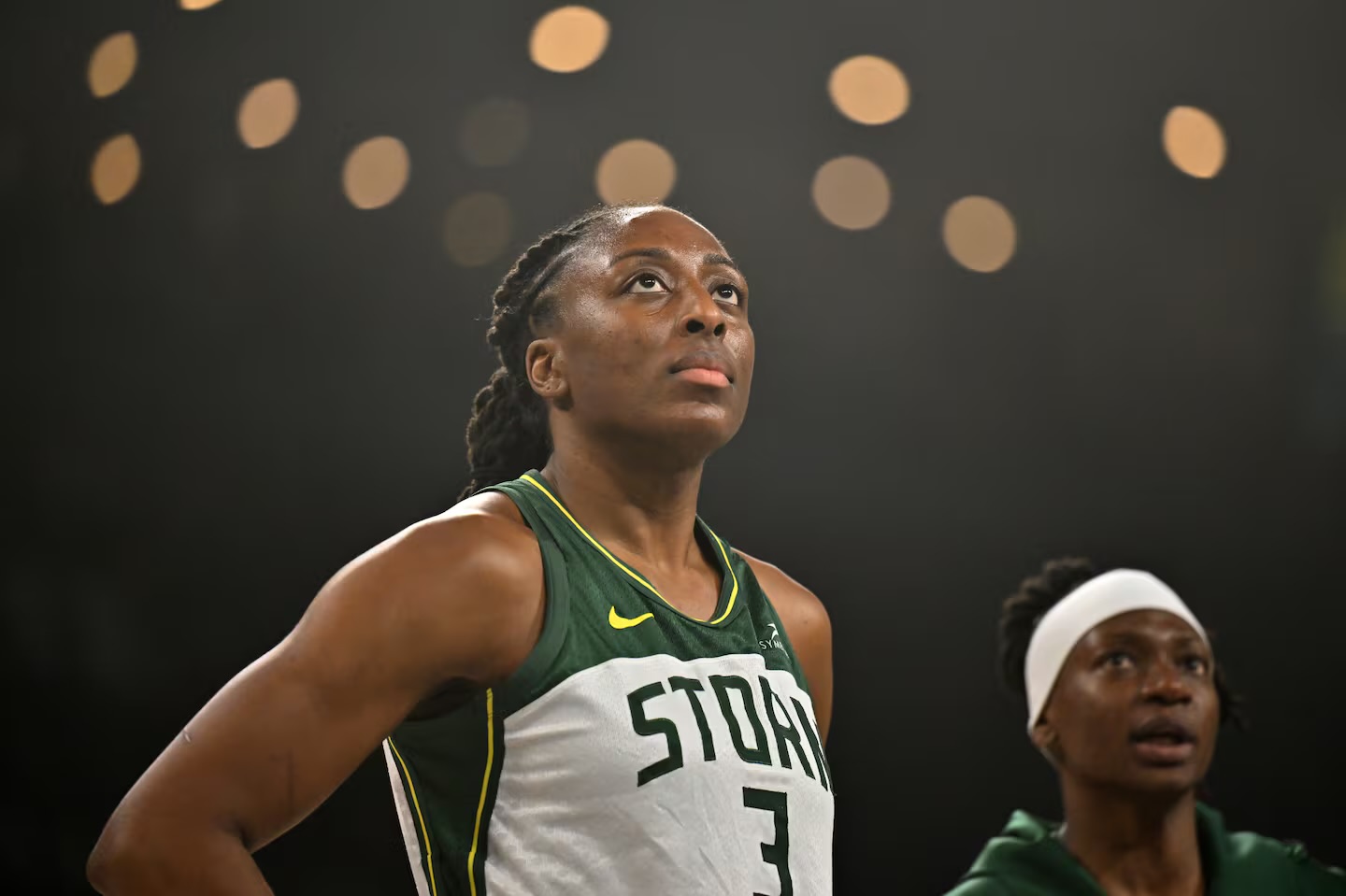
After 17 months of negotiations, marathon bargaining sessions, and the looming threat of a disrupted season, the WNBA and its players’ union reached and have now ratified a historic collective bargaining agreement (CBA). The deal is already being framed as one of the most transformative labor agreements in modern sport.
In an earlier interview with TIME, Ogwumike underscored the stakes in the long road to an agreement: “When you look at how much is being made, that is basically a decimal,” she said. “A fair share is all we’re looking for. And it’s more than a million.” Ogwumike also made it clear that while the new CBA will benefit players in the league today, it is equally about future generations. “I really feel like a lot of what we were at the table for was for the next generation,” she said after the announcement. “When we consider the next 10 years, this is really going to continue to catapult us.”
A Long-Game That Was Worth It
NBAE VIA GETTY IMAGES
Negotiations for the agreement stretched beyond 100 hours, at times stalling over core issues like housing, revenue splits, and long-term sustainability. Yet throughout, Ogwumike operated less like a figurehead and more like an organizer balancing the demands of rookies, veterans, and stars while maintaining unity across the league.
When the vote came, the message was unequivocal: over 90% participation, with unanimous approval.
The new agreement introduces a revenue-sharing model that gives players roughly 20% of league income, alongside a dramatic increase in salaries and benefits. Entry-level pay is expected to jump from around $66,000 to as high as $300,000, with average salaries climbing toward the half-million mark, and top contracts entering seven-figure territory.
It’s a recalibration of value that Ogwumike and the union have been building toward for nearly a decade. Since becoming WNBPA president in 2016, Ogwumike has led players through multiple turning points from the 2020 “Wubble” season to the strategic opt-out of the previous agreement in 2024, a move that set the stage for this moment.
A Player-Led Future
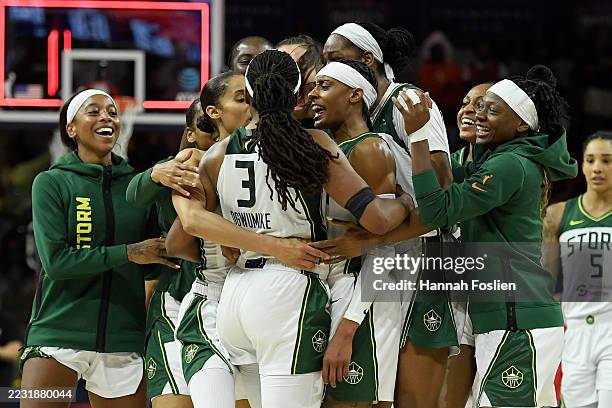
Photo by Hannah Foslien/Getty Images)
Already, Ogwumike notes in a new interview with CNBC the win will have immediate impact, as players may reconsider offseason plans that often include playing abroad or in other leagues.
With the average WNBA salary at about $120,000 in 2025, many players previously turned to overseas teams or alternative competitions such as the 3-on-3 league Unrivaled to supplement their income.
Asked about the most important outcome of the deal, Ogwumike kept it concise and honest: “Bank accounts.”
“Being able to have your worth tied mostly in your salary is all that we’ve been fighting for—and it’s what we were able to achieve,” she said in an interview with CNBC Sport.
It is a defining moment for the sports industry, as the efforts of trailblazers like Ogwumike continue to push the game toward a more equitable, player-led future.