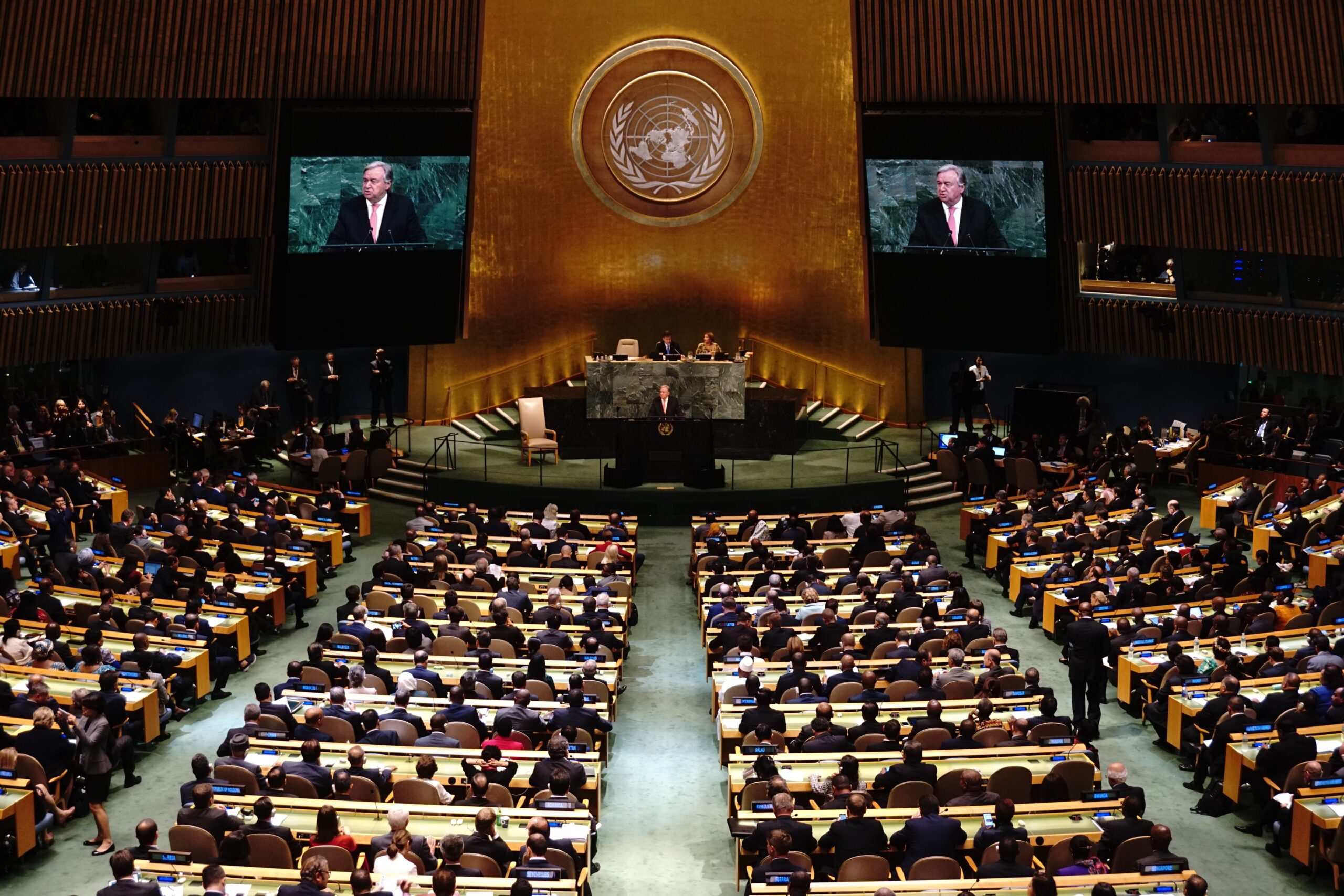
The United Nations General Assembly has adopted a landmark resolution recognising the enslavement of Africans during the transatlantic slave trade as “the gravest crime against humanity,” in a move advocates say could advance global efforts toward justice and historical accountability.
A Landmark Resolution
Image Credit: Shuttershock
The resolution, proposed by John Mahama of Ghana, was passed with 123 votes in favor and three against, from the United States, Israel and Argentina. Fifty-two countries abstained, including the United Kingdom and member states of the European Union.
Speaking ahead of the vote, Mahama framed the resolution as a moral imperative. He said it should stand as a record that the international community chose to honour the memory of millions who suffered under the slave trade and those who continue to face racial discrimination.
The resolution calls on UN member states to formally acknowledge the transatlantic slave trade as the gravest crime against humanity.
Mahama described the adoption as both a safeguard against historical erasure and a challenge to the enduring legacies of slavery. Ghana’s foreign minister, Samuel Okudzeto Ablakwa, reinforced the country’s position, stating that the demand for reparations is rooted in justice for victims rather than personal gain.
Discourse in Reparations Gain Legs
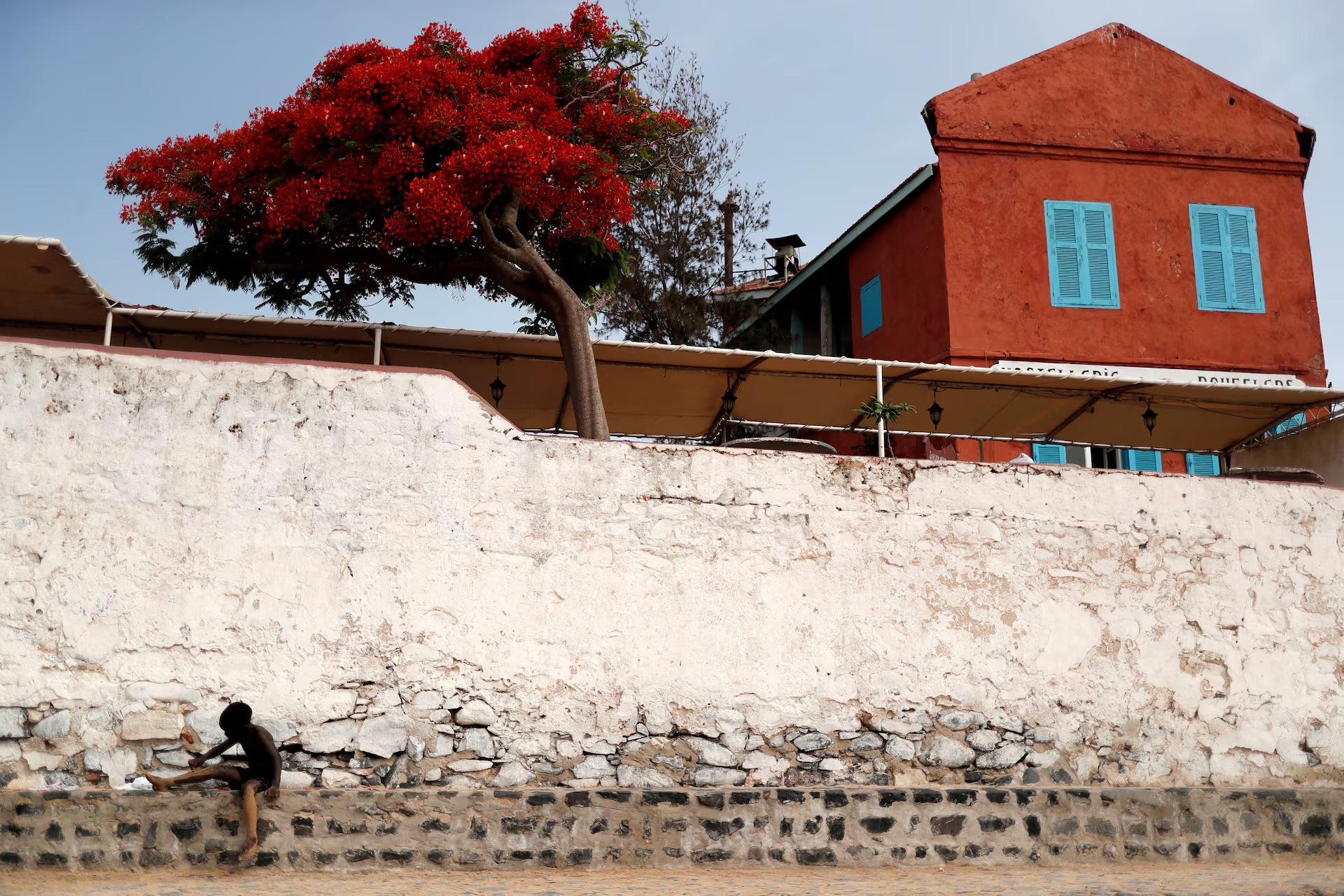
Goree Island was one of the trans-Atlantic slave-trade gathering points from where slaves were shipped west in the 1700s and 1800s, and today is a UNESCO world heritage site. Image Credit: REUTERS/Zohra Bensemra
The push for reparatory justice has gained traction in recent years. The African Union designated reparatory justice as its theme for 2025, while leaders of the Commonwealth of Nations have also called for dialogue on the issue.
Backed by both the African Union and the Caribbean Community, the resolution highlights the lasting consequences of slavery, noting that its effects continue to manifest in racial inequalities and underdevelopment affecting people of African descent worldwide.
The United Kingdom acknowledged the historical harm caused by the transatlantic slave trade but reiterated its opposition to certain elements of the resolution. James Kariuki, Britain’s chargé d’affaires to the UN, said the government does not support what it views as creating a hierarchy of historical atrocities, arguing that no single set of past crimes should be considered more significant than others.
As the vote took place in New York, Bell Ribeiro-Addy presented a petition to the UK Parliament calling for a formal state apology for Britain’s role in slavery and the colonisation of African societies.
Historians estimate that over a period of four centuries, more than 15 million Africans were enslaved and transported across the Atlantic by European powers, including Britain. The scale and brutality of the system led abolitionists in the 18th and 19th centuries to describe it as a crime against humanity, with many scholars linking the wealth generated from slavery to industrial development in Western nations.