
Reform UK visa ban proposal targets countries demanding slavery reparations from the United Kingdom. The party says it will stop issuing visas to citizens of such countries if it forms the next government.
The UK populist party announced the policy on Tuesday. It said the ban would apply to all visa types, including work and visitor visas. The proposal follows a recent UN vote that described the transatlantic slave trade as “the gravest crime against humanity.”
The resolution gained backing from the African Union and the Caribbean Community (CARICOM). Ghana’s president, John Dramani Mahama, proposed the motion as part of wider calls for reparatory justice. It passed with 123 votes in favor, while three countries opposed it, including the UK.
Following the vote, Reform UK made its stance clear. The party, led by Nigel Farage, said it would treat formal reparations demands as a trigger for visa restrictions.
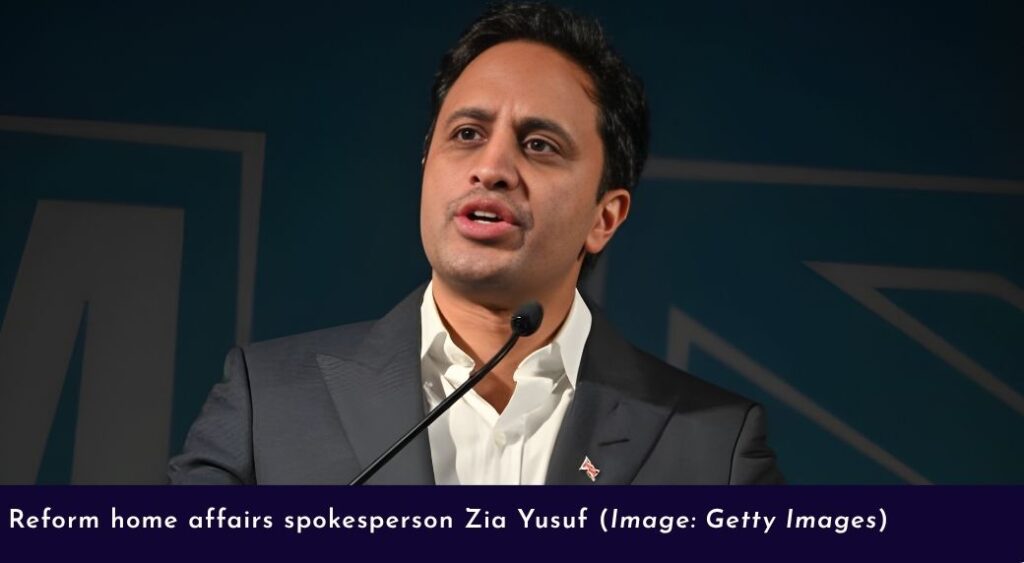
Zia Yusuf, the party’s home affairs spokesperson, described compensation demands as “insulting.” He argued that such calls ignore Britain’s role in ending the slave trade and enforcing its ban.
He also pointed to existing ties between the UK and countries demanding reparations. According to him, the UK issued about 3.8 million visas over two decades. He added that the country spent £6.6 billion in foreign aid within the same period.
However, support for reparations continues to grow across Africa and the Caribbean. Governments and regional blocs argue that the impact of slavery still shapes economic and social outcomes today.
At the same time, critics in the UK maintain that current institutions should not carry responsibility for historical actions. This disagreement continues to shape the global conversation on reparations.
While Reform UK holds only eight seats in the UK Parliament, it is currently leading several opinion polls ahead of the next general election expected by 2029. This signals their growing political influence and the possibility of this policy becoming a reality under a Reform government.