
19
Oct
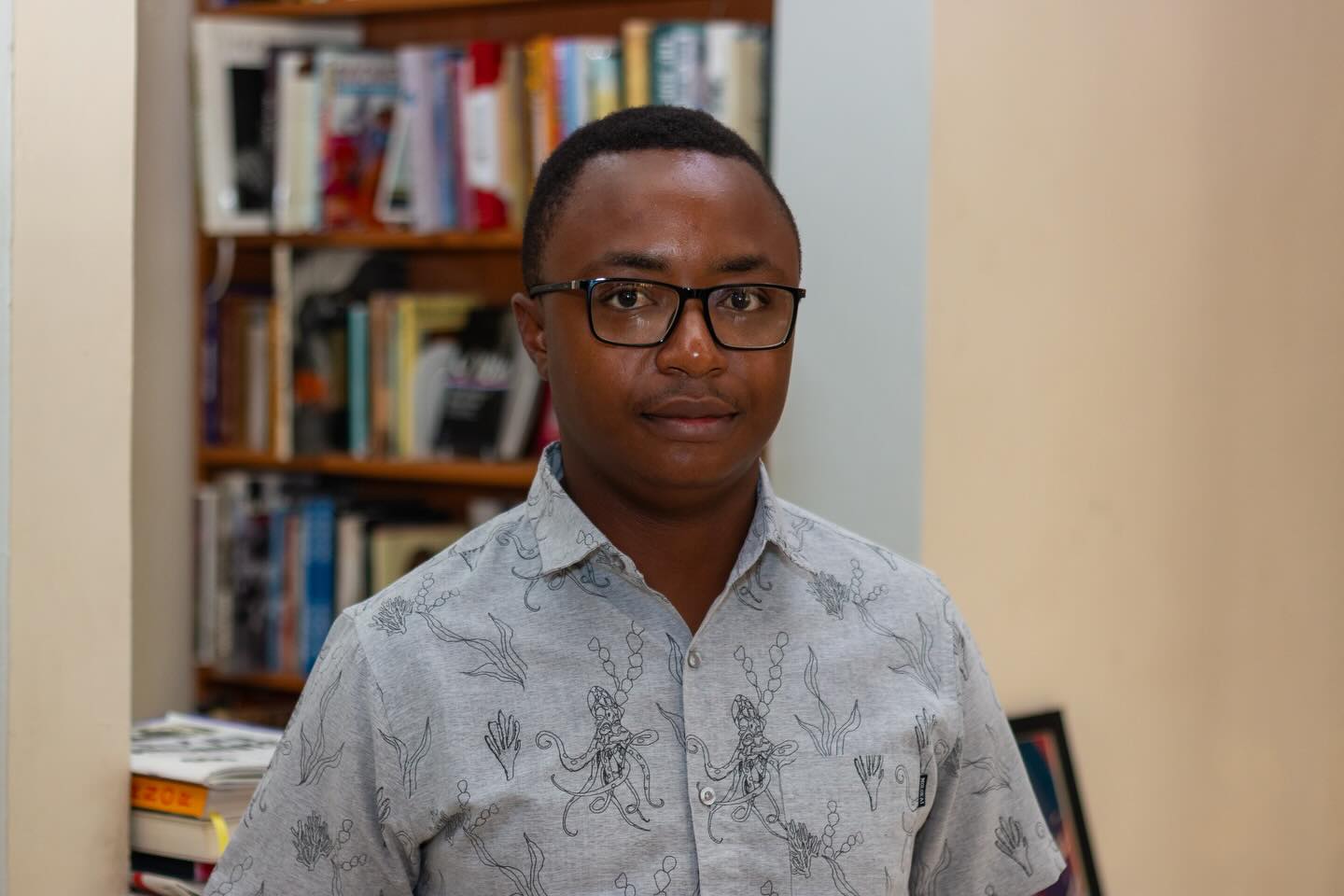
When Simbarashe Steyn Kundizeza’s story The Blue Fighter was announced as the winner of the prestigious Caine Prize for African Writers on 6 October, it seemed like it was going to be one of those positive, definitive announcements that bode well for the writer as much as they do for the African literary scene. However, just five days later, The Atlantic would publish an article by the author and journalist Vauhini Vara that would derail all of this titled: “Yet Another Literary prize winner Seems to Be AI.”
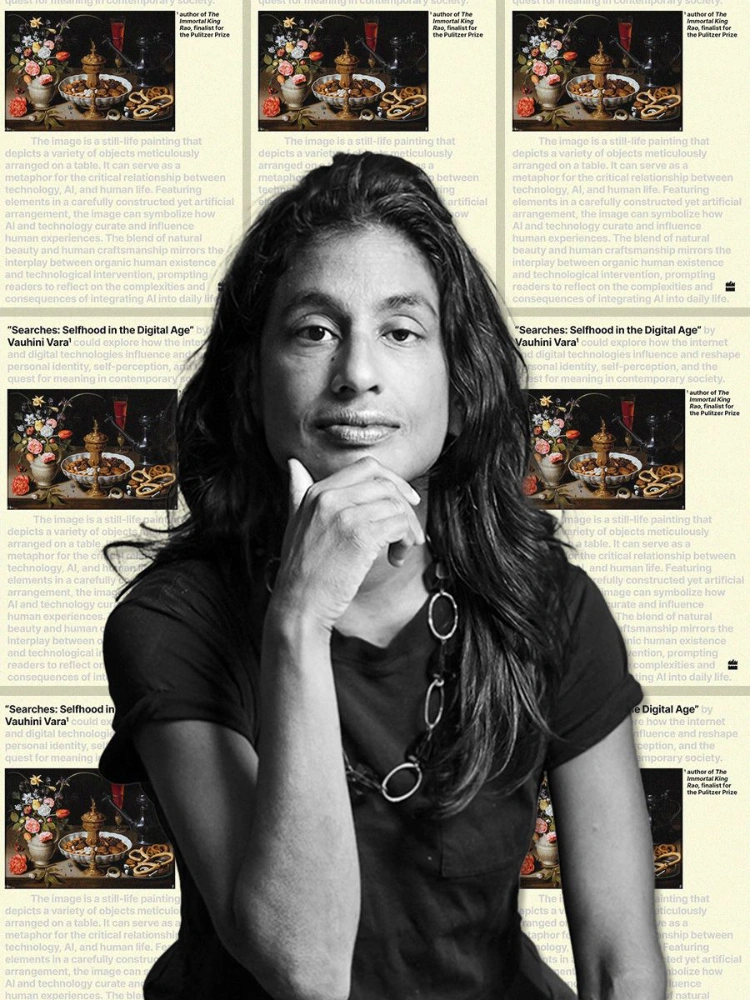
Image Credit: The Nod Mag
According to Vara, using the AI-detection software Pangram, which itself uses AI, had deemed the story to be almost completely artificially generated. The exception, she said, was an epigraph from what is described as an unpublished poem by the South African writer Vangile Gantsho. “was struck by the proliferation of language that is common in AI-produced writing: the not x, but y sentence constructions; the glut of metaphors; the platitudinous aphorisms”
Photo Credit: Simbarashe Steyn Kundizeza/Instagram
Kundzeiza responded in a statement on X: “For the avoidance of doubt, I wrote ‘The Blue Fighter’. I did not use generative AI to write it. It is entirely my own work. I look forward to continuing to work with the Caine prize team, and to celebrating this recognition with the people who helped bring this story into the world. Most importantly, I will continue to write.”
Caine Prize chair Ellah Wakatama also told the BBC that she was shocked that the US magazine had not waited for a full investigation before publishing. “I do wish The Atlantic had spent more time investigating this so that alongside Pangram, they did have evidence of real human investigation of it before tainting the prize and tainting this winner,” Wakatama told the BBC’s Front Row programme.
This is not an incident in isolation. In July, the Trinidadian writer Jamir Nazir won the Commonwealth Foundation’s short story prize with The Serpent in the Grove, this was even with critics on social media claiming it had “obvious markers” of AI writing. Last month, the Canadian-Haitian writer Thélyson Orélien’s novel C’était Ça Ou Mourir (It Was That or Die) was removed from the longlist of France’s most prestigious literary prize, the Goncourt, after an anonymous online account alleged the book was “almost entirely” written by AI.