
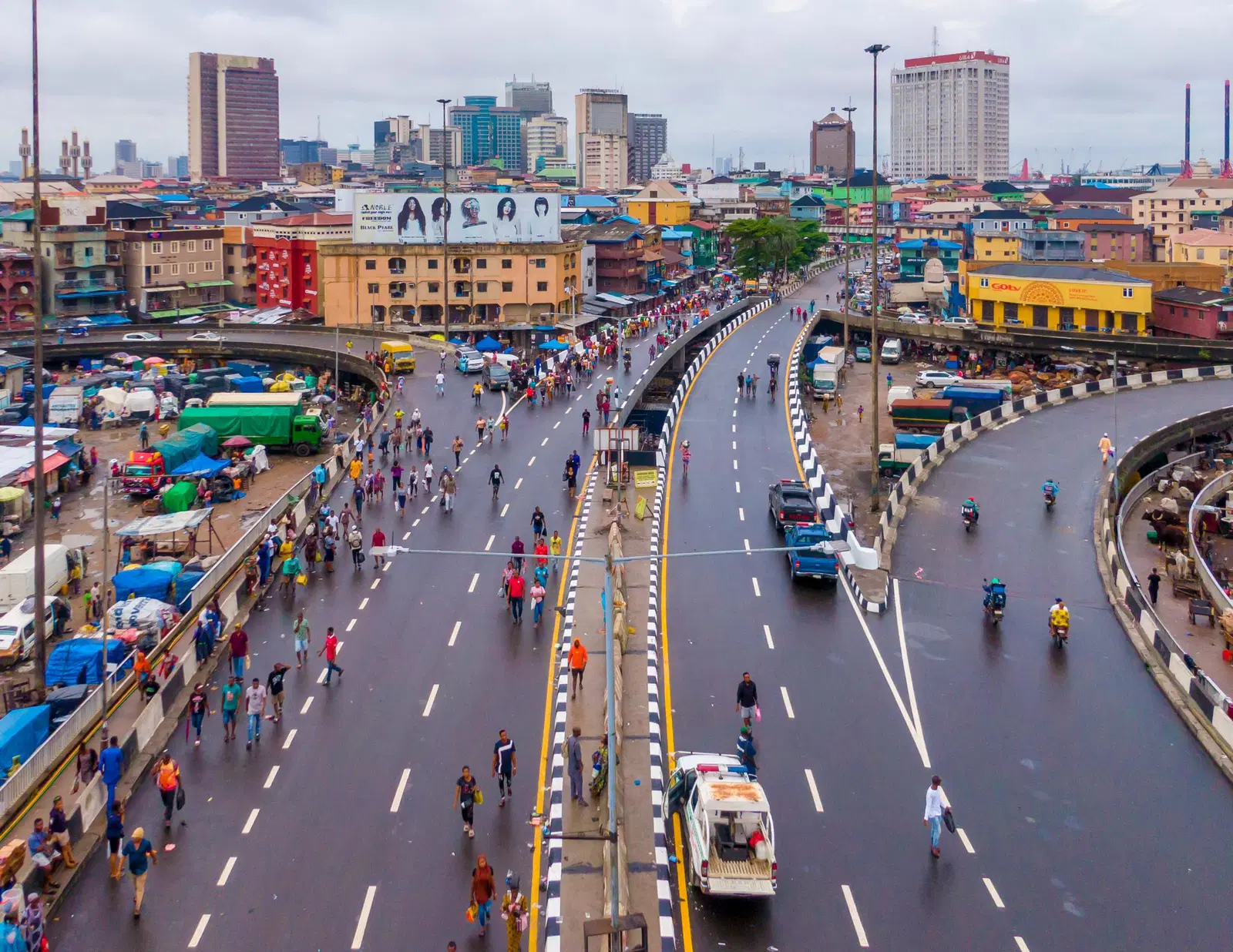
When people think of Lagos, they think of traffic. They think of yellow buses. They may even think of street hawkers weaving between cars or Detty December. All are symbols of the organised chaos that somehow keeps one of the world’s fastest-growing cities moving. What they may not think about is that beneath all of this lies a high-powered ecosystem driving technological innovation across the continent.
But over the last two decades, that has become the reality.
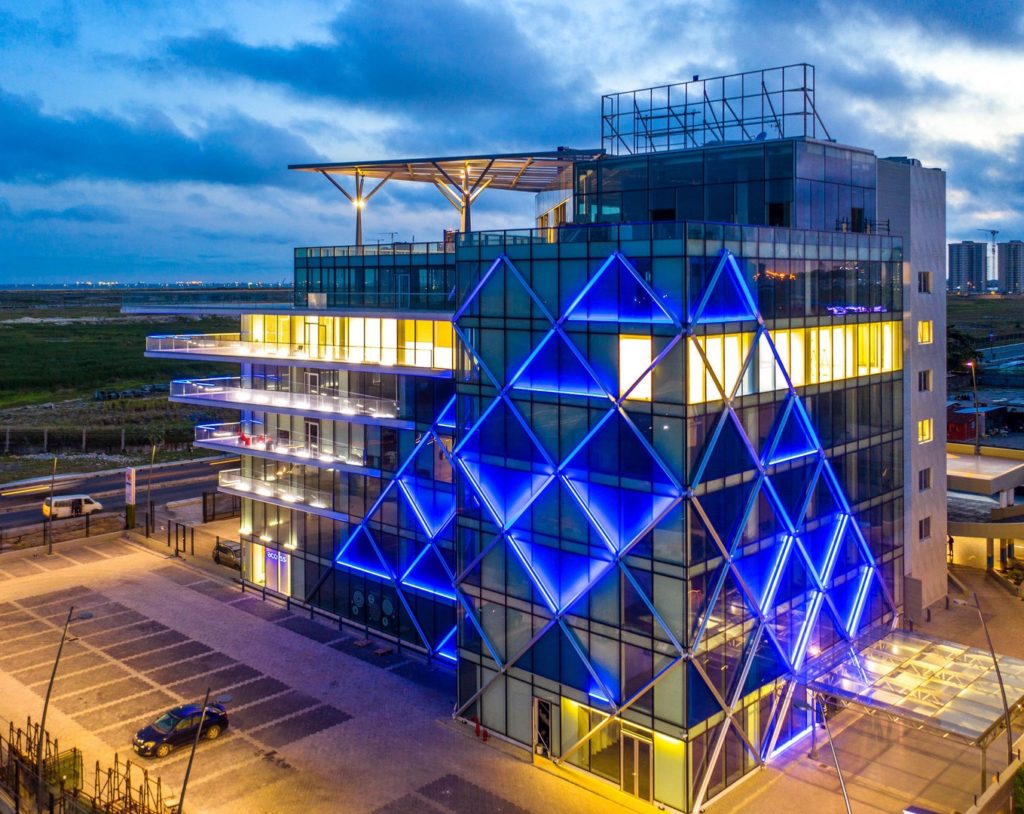
Image Credit: Google
Today, Lagos is widely regarded as Africa’s tech capital. It is home to more venture-backed startups than any other African city, has produced the majority of the continent’s unicorns and continues to attract hundreds of millions of dollars in investment every year. But that didn’t happen by accident.
It happened because Lagos had the one thing technology needs more than anything else: problems worth solving.
In many parts of the world, technology improves convenience.
In Lagos, technology creates access.
The young people who would eventually become the founders powering the Lagos tech ecosystem weren’t trying to copy Silicon Valley. Instead, they built companies around local realities. They weren’t asking how to create the next Facebook. They were asking much simpler questions.
How do people move money?
How do they receive salaries?
How do they order food?
How do businesses accept payments?
How do merchants get loans?
Those questions created companies that would eventually reshape African technology.
As is often the case in Nigeria, many of those questions revolved around money, so fintech naturally became the sector that exploded first. Companies such as Flutterwave, Paystack, Moniepoint, OPay, Paga, Kuda, Carbon and PalmPay proved that African startups could build products capable of serving millions of users while scaling far beyond Nigeria’s borders.
Behind those companies were founders such as Olugbenga Agboola and Iyinoluwa Aboyeji at Flutterwave; Shola Akinlade and Ezra Olubi at Paystack; Tayo Oviosu at Paga; Babs Ogundeyi at Moniepoint and Babs Ogundeyi’s team; Mark Essien at Hotels.ng; and Odun Eweniyi, Japheth Omojuwa, and Joshua Chibueze at PiggyVest. These founders have helped shape not just companies but the ecosystem itself by mentoring founders, investing in startups and creating communities for the next generation of entrepreneurs.
Together, these companies transformed how millions of Africans make payments, save money, access credit, book hotels, shop online and run businesses, while attracting record-breaking levels of investment into Nigeria.
Success also created a ripple effect. Employees left successful startups to launch companies of their own. Investors who backed one founder returned looking for the next. Experienced engineers stayed in Lagos rather than relocating abroad. Incubators like CcHub, accelerators and venture capital firms helped turn ideas into businesses, creating an ecosystem that could increasingly sustain itself.
None of this means Lagos has become an easy place to build a company. Founders still contend with unreliable electricity, internet disruptions, foreign exchange pressures, infrastructure gaps and changing regulations. Raising capital has become more difficult since the global venture capital slowdown, while many startups have had to rethink growth after years of aggressive expansion.
Yet the ecosystem has proved remarkably resilient. New startups continue to emerge, investors continue to return, and Nigerian founders remain among the most visible on the continent.
Calling Lagos Africa’s tech capital isn’t just about the number of startups or the amount of venture capital flowing into the city. It’s about influence. Ideas tested in Lagos increasingly spread across Kenya, Ghana, Rwanda, South Africa and beyond. Millions across the continent now use products built for Nigerian consumers. Founders who started by solving local problems are now building companies with global ambitions.
Lagos is still noisy. It is still chaotic. It is still frustrating. But perhaps that’s exactly why it became Africa’s technology capital.
Because in a city where every day presents a new challenge, innovation stopped being a luxury and became a necessity. And in solving those challenges, Lagos built something much bigger than a startup ecosystem. It built the blueprint for African technology.
To take part in Lagos’ bustling tech community with events like Moonshoot by Tech Cabal and Africa Prosperity Summit, get a ticket to Diaspora Week Lagos