
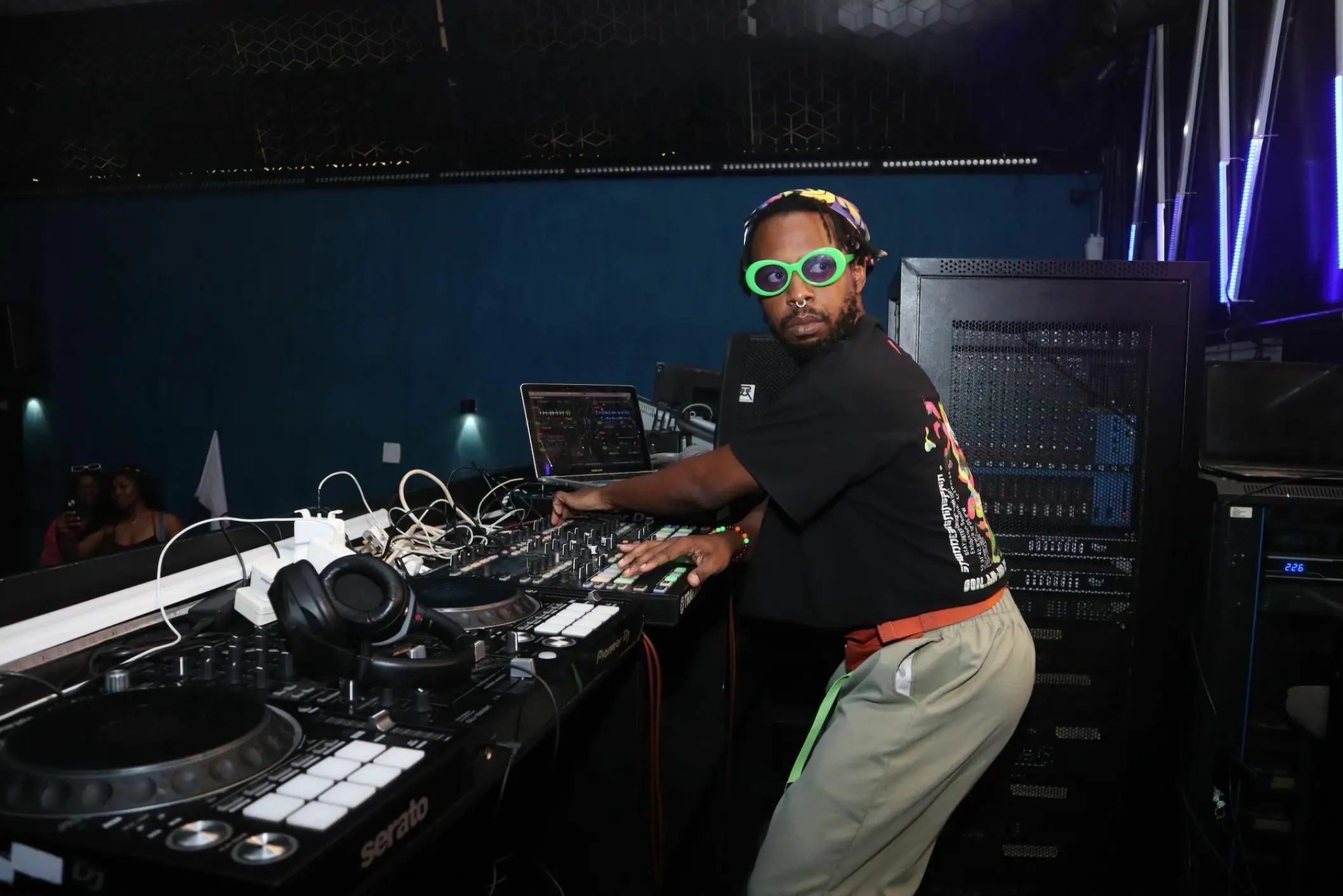
At a Nigerian party, the person holding the microphone is not always the one singing. Sometimes, they are the ones shouting the catchphrases everyone knows, improvising jokes about the crowd and turning an already energetic room into something else entirely. Meet the hypemen, the performers increasingly becoming impossible to ignore in Nigeria’s entertainment scene.
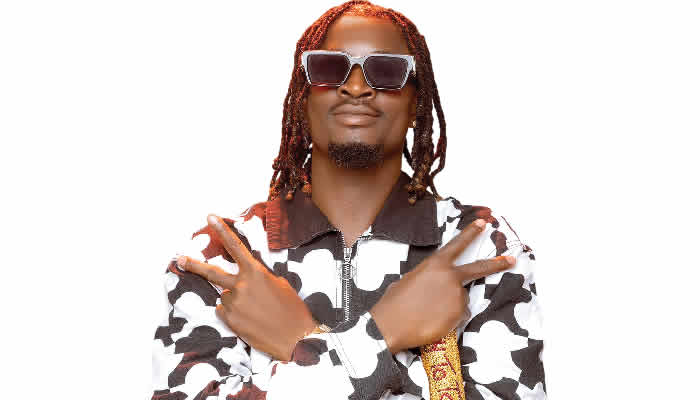
Once largely considered supporting acts for DJs and recording artists, hypemen are carving out identities of their own, building audiences through social media and turning their signature phrases into recognisable parts of Nigerian pop culture. Some are now commanding millions of naira for relatively short performances, signalling just how much the business of working a crowd has changed. In a report published on October 18, The Guardian explored the growing influence of Nigerian hypemen and hypewomen, identifying Toby Shang, born Tobi Michael Adeyeye, as one of the leading figures in the movement. The report noted that some performers can charge between ₦5 million and ₦8 million for a 30-minute or one-hour set, although these figures represent reported fees rather than an industry-wide rate.
For Shang, the appeal of hyping extends beyond being the loudest person in the room. His signature catchphrases, including the viral Shedibalabala, have helped establish a recognisable identity, while his work has expanded into recorded music, live events and the School of Hype, a programme designed to train aspiring performers. His Shangstar Rave is another example of how hypemen are building entertainment platforms around their names.
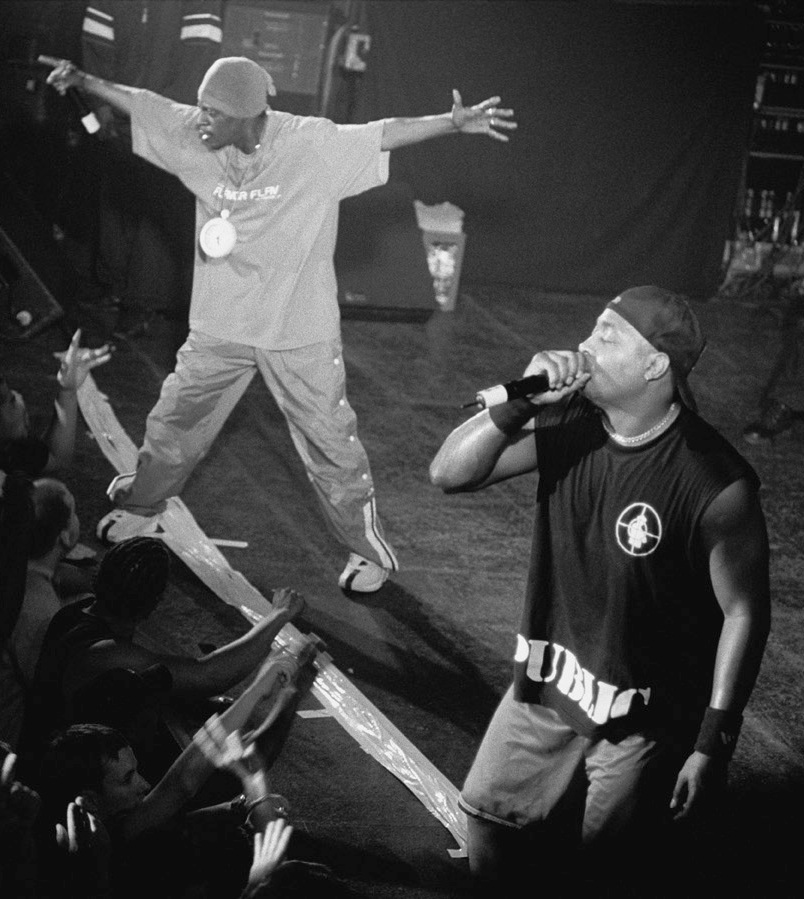
The emergence of Afrohype, a style that blends Afrobeats and Afrofusion with the energetic delivery of a hypeman, suggests that the role is evolving beyond nightlife entertainment. Its performers draw on improvisation, local slang, rhythmic chants and call-and-response to create moments that audiences can carry from clubs and concerts to TikTok, Instagram and WhatsApp.
The tradition itself has a wider cultural history. From West African praise-singing to the atalaku performers associated with Congolese music and the high-energy culture of Côte d’Ivoire’s coupé-décalé scene, African popular music has long relied on voices that do more than deliver lyrics. Nigeria’s contemporary hypemen are adapting that broader tradition to the language, sounds and social rhythms of a new generation. The internet has helped accelerate their visibility. A memorable phrase can become a viral sound, a joke shared among friends or a signature associated with one performer. For emerging hypemen, even short birthday shout-outs recorded for social media can become a route to paid work. In a music industry increasingly shaped by personality and digital discovery, the ability to create a moment people want to repeat has become a valuable skill.
Image Credit: John Ezakwem
But there is a difference between becoming a viral personality and building a lasting music career. While hypemen can command attention in a live setting, becoming a recording artist or international headliner requires a different set of opportunities, from developing a catalogue to securing bookings beyond the audiences that already know their names. Whether Afrohype will become a globally recognised musical export, rather than remaining a performance style rooted in Nigerian nightlife, is still an open question. There are also concerns about the culture surrounding the scene. Critics have raised questions about excessive noise, misogynistic jokes and performances that glorify conspicuous consumption. These tensions complicate the idea of hyping as a straightforward success story, particularly in a nightlife economy where public displays of wealth can be as much a part of the performance as the music itself.
Still, the growing visibility of performers such as Shang points to a shift in how entertainment careers are being built. Hypemen are no longer necessarily content to remain in the background while the DJ plays the hits or the artist takes the stage. They are releasing music, developing events, building communities and exploring ways to turn their personalities into businesses.
Afrobeats has spent years expanding the international profile of Nigerian music. Afrohype raises a different possibility: that the next cultural export may not be a conventional singer at all, but the person who knows exactly what to say when the beat drops and the crowd is ready to lose itself. The question is no longer whether hypemen can command a room. It is whether they can turn that power into something that travels far beyond it.