
Côte d’Ivoire Rejects US Proposal to Receive Third-Country Deportees Despite Millions in Incentives
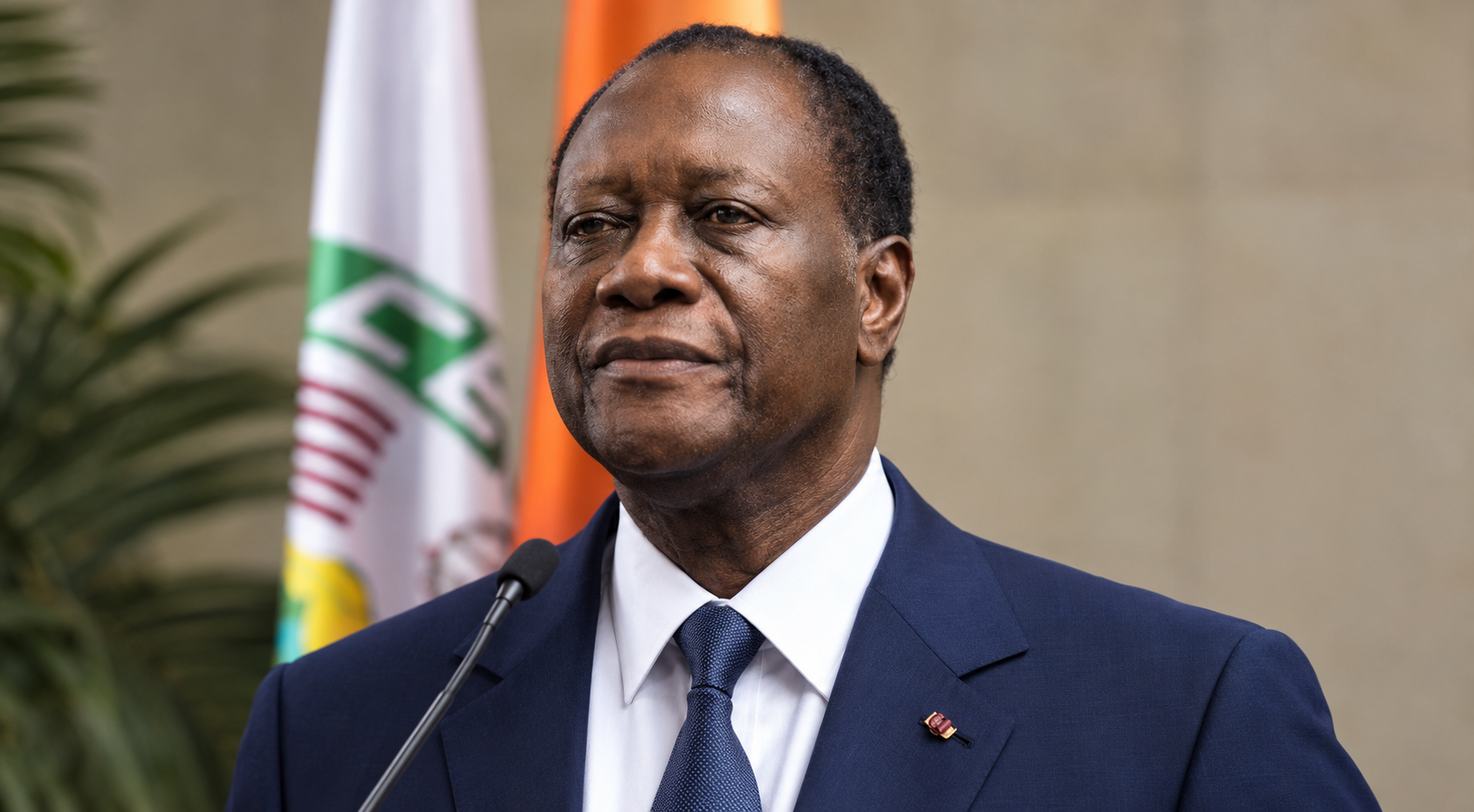
Côte d’Ivoire has rejected a controversial United States proposal to accept non-native deportees. The decision adds Abidjan to several African governments resisting Washington’s third-country deportation requests. Washington offered significant financial incentives to secure compliance. Nevertheless, Ivorian authorities firmly declined the arrangement.
Since early 2025, the United States has expanded its third-country deportation initiative. Under this framework, Washington removes migrants to foreign nations without prior ancestral ties. President Trump’s administration allocated over $410 million globally to fund these deportations. Over 25,000 individuals have already been deported through these external agreements.
Initially, Washington successfully established deportation pathways across Africa. In July, Eswatini and South Sudan accepted early groups of deportees. Subsequently, Ghana received fourteen West African nationals under a similar deal. Washington swiftly sought further expansions into West Africa.
However, Abidjan refused to join this growing network. The decision aligns Côte d’Ivoire with other resistant regional governments. In 2025, Nigeria rejected Venezuelan deportees. Former Foreign Minister Yusuf Tuggar stated Nigeria had “enough problems of our own.” Similarly, Burkina Faso refused US requests. Foreign Minister Karamoko Jean-Marie Traoré insisted the nation is “not a land of deportation.”
Meanwhile, the deportation initiative faces mounting legal battles inside America. On September 18, a federal appellate court ruled the policy unlawful. Judges declared that migrants were denied adequate procedural rights to contest their transfers. Still, the administration intends to appeal the decision.
Ultimately, African opposition to Washington’s migration agenda continues to expand. Nations are prioritizing regional stability over foreign financial incentives. Thus, the future of Washington’s deportation network remains deeply uncertain.