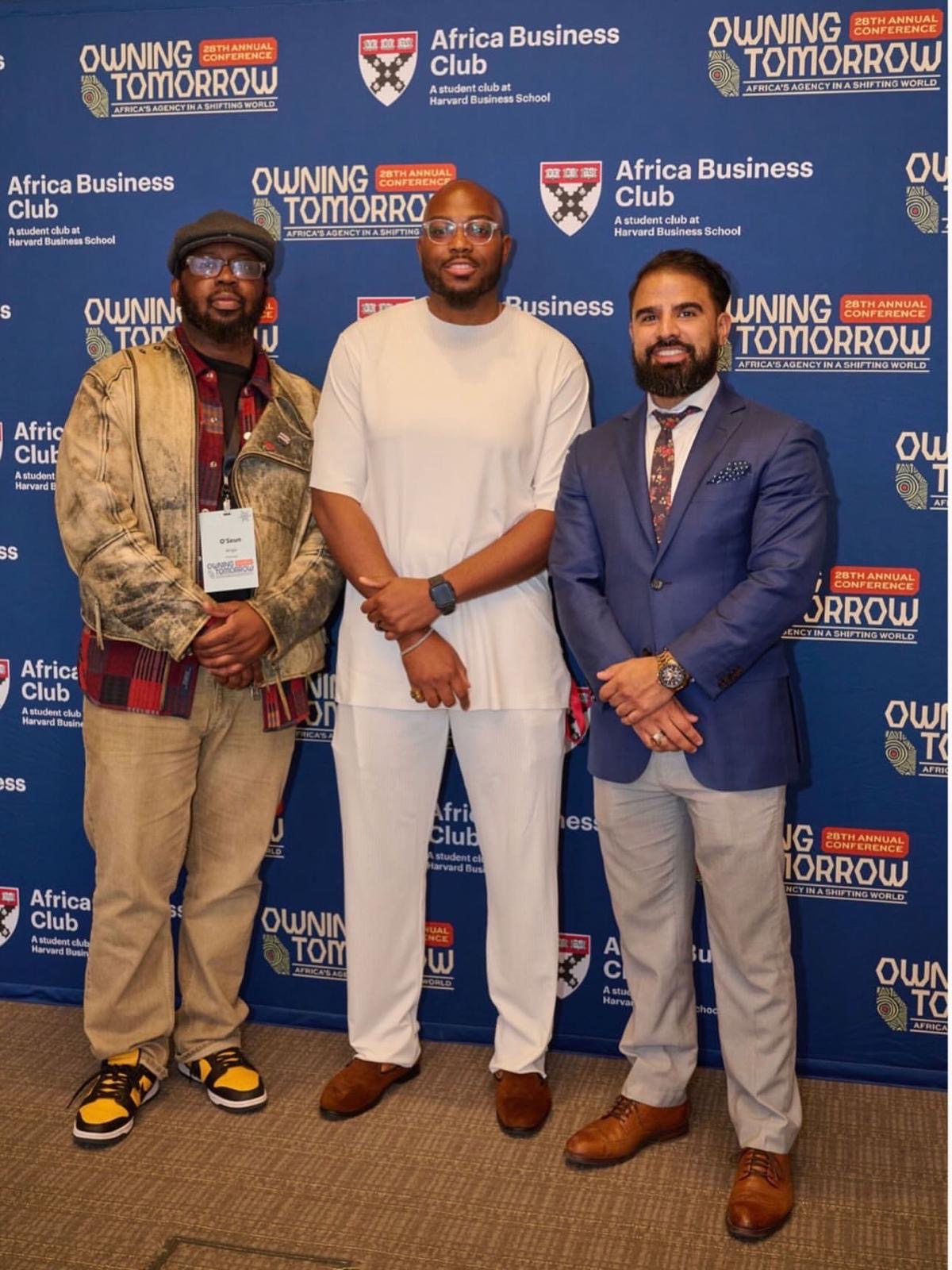
Amplify Africa Co-Founder and COO Timi Adeyeba joined global leaders across business, policy, academia, and the diaspora this weekend at the Harvard Business School African Business Conference, one of the most established university platforms shaping conversations around Africa’s role in the global economy.
Held annually in Cambridge, Massachusetts, the conference convenes investors, entrepreneurs, scholars, creatives, and institutional leaders from across Africa and its global diaspora to explore opportunities across innovation, infrastructure, trade, and international collaboration.
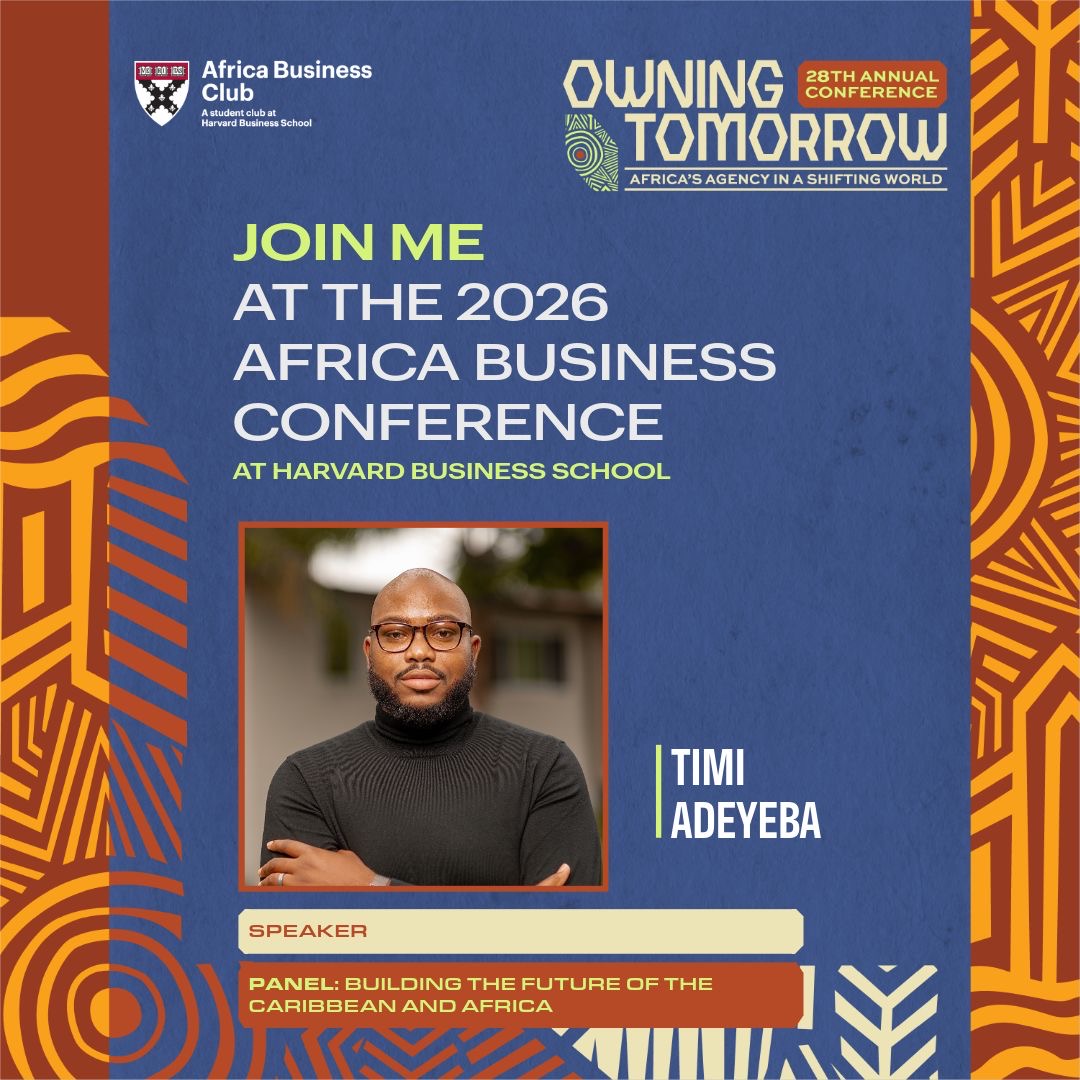
Adeyeba spoke on a featured panel, Building the Future of the Caribbean and Africa, alongside Dr. Cardinal Warde, Professor of Electrical Engineering at MIT and Executive Director of the Caribbean Science Foundation, and Shergaun “Ziko” Roserie, CEO of Rifbid and Founder of Orbtronics. The conversation focused on how entrepreneurship, diaspora networks, and the creative industries are shaping long-term economic alignment between both regions.
From Shared History To Shared Systems
A central thread of the discussion examined how Africa–Caribbean engagement is moving beyond cultural affinity toward more structured cooperation across education, investment, mobility, and the creative economy.
Drawing on Amplify Africa’s work across cities including Lagos, Accra, Kingston, Toronto, London, and Atlanta, Adeyeba highlighted the importance of platforms that convert cultural alignment into economic opportunity.
“For a long time, the connection between Africa and the Caribbean was driven by shared history and identity. What’s changing now is the emergence of systems, mobility agreements, financing partnerships, and creative industry collaboration that make that connection scalable.”
This signals a wider shift across the Afro-Atlantic, where collaboration is increasingly shaped by institutions as much as identity.
Mobility As Infrastructure

Panelists also pointed to emerging aviation routes, university partnerships, and workforce exchange initiatives as early signals of deeper cooperation between African and Caribbean states.
These developments point toward what policymakers and investors are beginning to describe as an Afro-Atlantic corridor, linking talent, markets, and institutions across both regions.
“Regions don’t integrate simply because they share history. They integrate when movement becomes predictable for people, institutions, and capital.”
The creative economy as strategy and the diaspora as early infrastructure
Across music, film, fashion, festivals, and media, cultural exchange remains one of the fastest-moving channels of collaboration between Africa and the Caribbean. Increasingly, it is also shaping investment conversations.
Reflecting on his participation at the AfriCaribbean Trade and Investment Forum, Adeyeba noted how quickly perceptions are shifting.
“The creative economy is no longer framed as soft power between our regions. It’s increasingly being recognized as an export strategy.” The discussion also underscored the role diaspora ecosystems continue to play in enabling partnerships before formal policy frameworks take shape.
Through convenings, storytelling platforms, and international partnerships, diaspora networks are helping synchronize markets across Africa and its global communities.
“Diaspora networks often create the first pathways for collaboration long before formal agreements catch up. Once connection exists, investment tends to follow.”
A Widening Global Lens
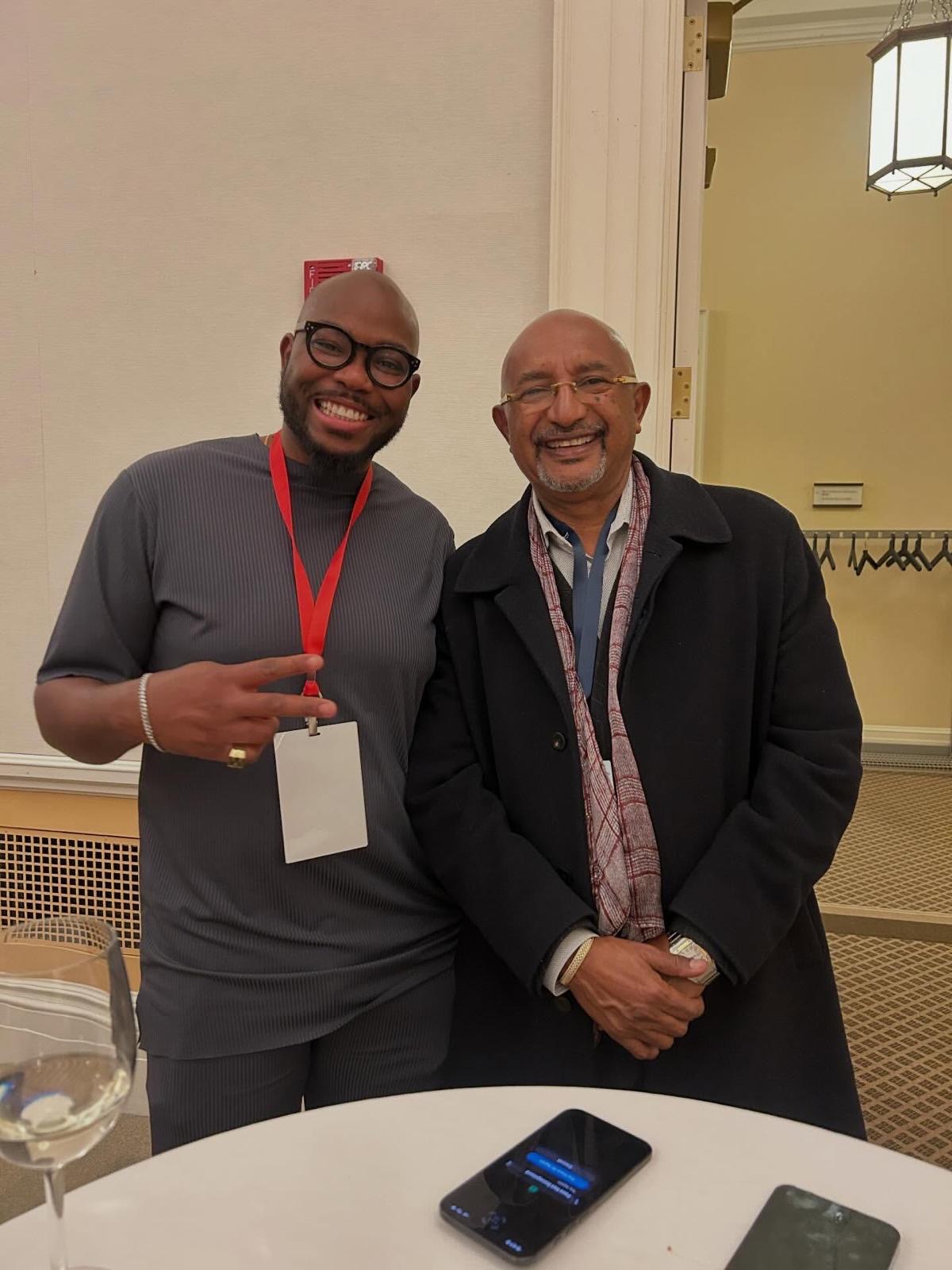
The panel sat within a broader conference program exploring Africa’s economic agency in a shifting global order, from venture capital in emerging markets to the future of creative industries, and new opportunities across technology, energy, and trade.
As Africa’s partnerships expand beyond traditional North–South models, Africa–Caribbean collaboration is gaining renewed attention as part of a wider effort to strengthen ties across the global diaspora.
Amplify Africa’s presence at the conference reflects its ongoing role in supporting these emerging corridors through convening, cultural programming, and partnerships that connect Africa with its global communities.