
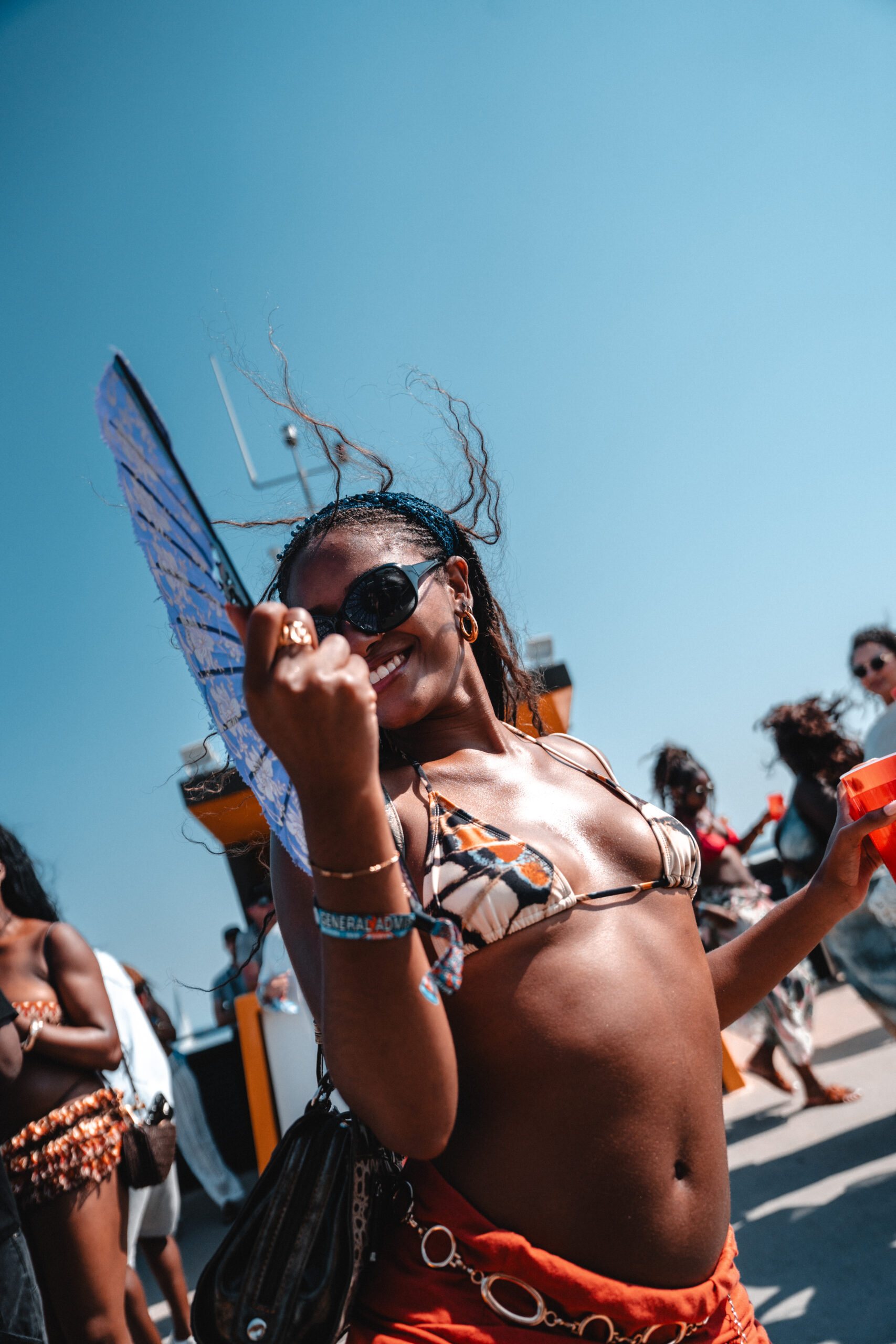
We Go Again – A Wavy Welcome To Afro Nation 2026
With a sensational embrace akin to that of an annual family reunion, Afro Nation Portugal – now its sixth edition – has successfully withstood the test of time as both a vivaciously viable business and celebrated cultural force that keeps us coming back again, and again (and again) without fail. Through sprinkling in new offerings such as the Afrotronic stage this year, they have ensured that their recipes are peppered with fresh and flavoursome ingredients that give us something original to look forward to. This is alongside the many activations such as e.l.f Cosmetics and Afro Cutz present on the festival grounds that offered interesting side quests to explore, and this intentionality by the festival organisers is to be applauded.
With the super early bird Golden Circle tickets for 2027 already sold out (just weeks after 2026 festivities wrapped up) the cult-like following which Afro Nation has created, is nothing less than a triumphant testimonial of what leaning into authenticity and servicing an underrepresented market on the global stage can do. Indeed, it is evident that Afro Nation has truly cemented its position as being the world’s biggest Afrobeats festival.
Afro Nation over the years has (in my view) evolved into a cultural rite of passage that one must engage with if they wish to truly understand how the music of this vast culture transcends mere sonics. The sounds and vibrations from these multidimensional genres permeate far beyond the mega speakers and bleed into the fashion, food and feelings evoked throughout every element of this festival. In doing so, Afro Nation harmoniously blends the many African/diaspora cultures all into one space (from the new wave of flourishing Francophone anthems, to British Afro-Swing, to West African Afrobeats to South African Amapiano).
For me personally, a specific element that makes Afro Nation so special, is the diverse melting pot of diaspora cultures that I was able to become easily proximate to through the people that I met – and from this – learning of their lived experiences and expanding my own worldly horizons through having sincere conversations with strangers who quickly become friends… From hearing prolific parables from the Parisian crowds of how Fête De La Musique 2026 popped off this year, to speaking with Black-Americans about the festival offshoots they have across the pond in America such as The Afro Plus.
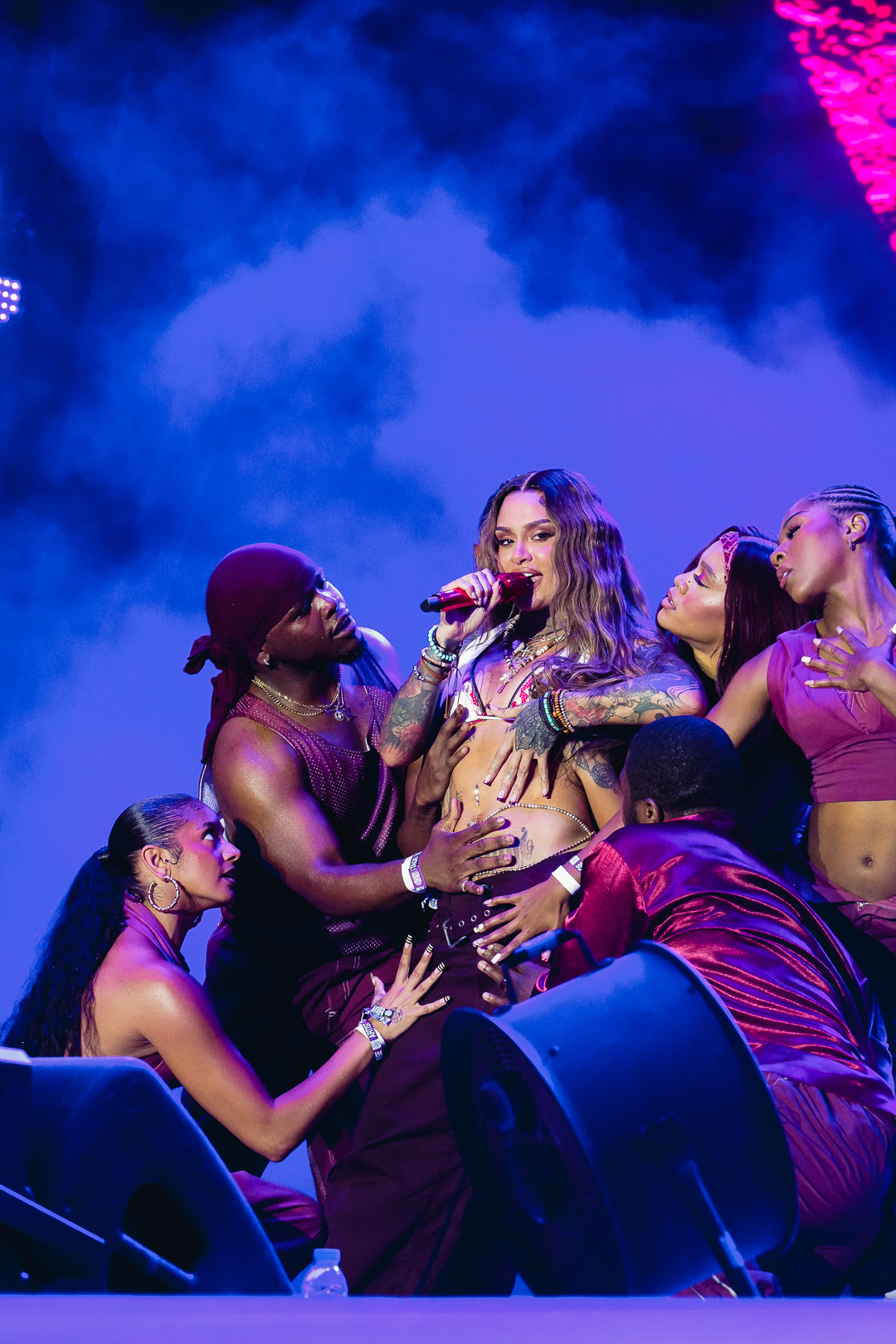
And it is evident the Afro Nation team are attune to this reality, as it is reflected in the wide array of artists on their ever increasing and diversified lineup… ranging from Gunna, to Darkoo, to Kehlani, to Ludmilla, and more… Because the scope of the billing extends beyond just Afrobeats, there is something for everyone that is an enthusiast of the musical offerings which derive (in general terms) from Black culture.
But within this, and something which is to be commended, is how Afro Nation this year doubled down on celebrating the artists who lie at the foundation (as the architects) of the culture as it exists it today. Of note, pioneers such as Awilo Longomba, Wande Coal (who later followed me on Instagram!) and R2Bees received their flowers and had exceptional performances – reminding us of the legacies they have built and their steadfast commitment to our culture. This salute to the past was beautifully counterbalanced with the baton being symbolically passed to new-gen superstars like multi-Grammy winning Artist Tyla who – with her latest Album A*Pop – is pushing the genre to new global heights and opening the sounds from our continent to the ears of new audiences around the world. All this to me signals how Afro Nation continues to play an active role in artist breakthroughs, through consistently investing time, energy and unwavering support towards championing African music and helping artists reach global audiences.
What Does Afro Nation Mean To The People?
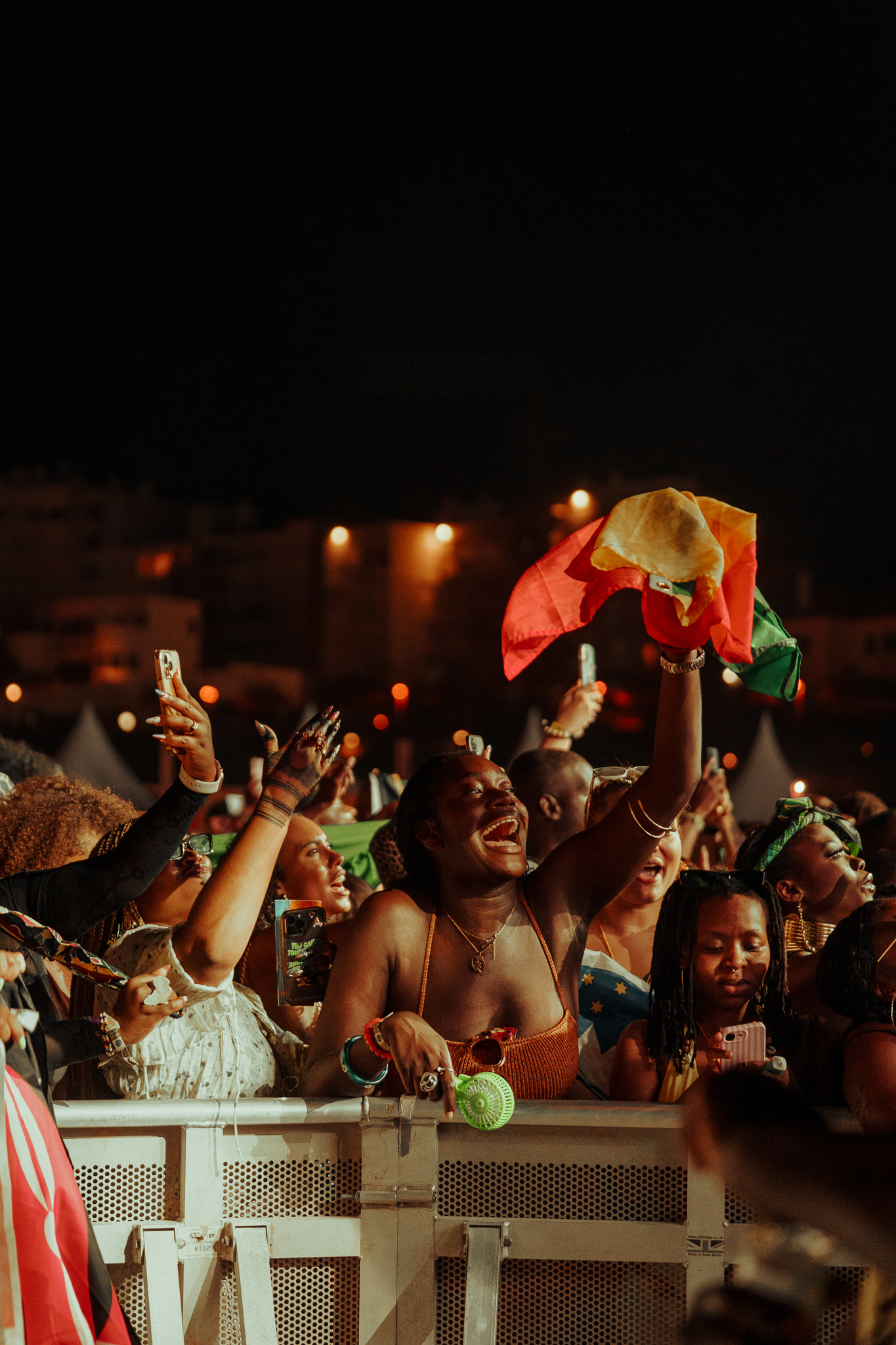
As the 30-something thousand (plus) of us descended once more onto the picturesque Praia Da Rocha Beach (on 3rd July 2026) in pure joy and excitement for what would be a non-stop three-day fiesta of fun, thrills and fanatics, I took a moment to ask the people what this moment meant to them (during impromptu vox pop interviews). The core reoccurring theme that is always expressed to me (every year) is that Afro Nation fills them with the feeling of belonging… Over my years of being Press at Afro Nation, it has become clear to me that this festival represents a sanctum of sorts: a safe space where people can wholly express themselves and their culture with complete confidence – be it styling their hair with colour and flair, dancing their dances (Kakalika, Fimbu, Shaku Shaku, and so on…) with vim or simply flying their flag with supreme pride.
As a festival which is built for us and by us, it is one of the few realms in Europe where we as Africans/members of the diaspora can converge, unapologetically be ourselves and display unbridled joy. Call it serendipitous timing, but the overlap between Afro Nation and the 2026 World Cup is what (I believe) took our cultural celebrations to another level, with a unanimous rooting amongst us for the African countries still in the competition to win! I found this to be a significant uniting force amongst us all… and with a huge screen placed on the beach so we could watch the games as they played out, we could vibe out on the beach to the hottest tunes while watching underdogs such as Cape Verde in their climatic Knock-Out Round thriller against Argentina!
Spotify Enters The Scene – A Seismic Sponsorship…
There’s been much discourse as to whether the genre of Afrobeats has been experiencing a downturn in recent years – particularly from a creative/artistic standpoint. Despite the commercial might of the genre enabling Afrobeats to penetrate into the mainstream (with the Grammys now having a category dedicated to Best African Music Performance for instance), questions are increasingly posed as to whether innovation in the genre has fundamentally plateaued.
However, many argue that such a stance is far from the truth – and the proof is in the pudding, as Spotify executed a ground-breaking partnership with Afro Nation this year, launching a collaboration that brought fans a dedicated festival destination to enjoy on demand and exclusive performance content. This landmark partnership brought fans closer to the artists and performances, whilst elevating the fan culture that shapes African music globally.
In sharing his thoughts on this partnership, Rifumo Mdaka, Content Marketing Manager for Spotify in Sub-Saharan Africa said the following: “By bringing the festival to Spotify, we’re giving fans a place to connect with the artists, performances and stories that define the festival, long after the final set.”
Further echoing these sentiments, is Clémence Blum, Director of Global Partnerships, The Malachite Group / Afro Nation offered the following reflections: “our partnership with Spotify is a significant moment for us because it reflects the shared role we both play in discovery, helping artists reach new audiences and giving fans deeper ways to engage with the music they love.”
Simultaneously however, I do have to raise concerns as the Pandora’s Box of A.I. artistry has now been thrust open. As automated music now is able to take a life of its own, I have to question what measures Afro Nation and Spotify will take to protect actual artists and ensure that their offerings are given priority above those produced by the machines. I flag this, as the A.I. remix of “Pilé” (Gospel) quickly became is a certified smash hit – and one which I heard almost nonstop at Afro Nation this year.
It is only after the festival I harrowingly discovered it is an A.I. remix of the original song by Mauvais Djo, and this left me with mixed feelings and wider ethical questions/qualms. Should I be enjoying a song modified by a machine more than the initial human offering? More widely, I do wonder if the powers that be in the industry will work to ensure that humans are protected from new forms of exploitation, and that we don’t become second fodder to music created by the robots. Because if that happens, what does the future of (live) entertainment look like? Just some food for thought…
Has Afro Nation Blown New Life Into The Contemporary Pan-Africanism Movement?
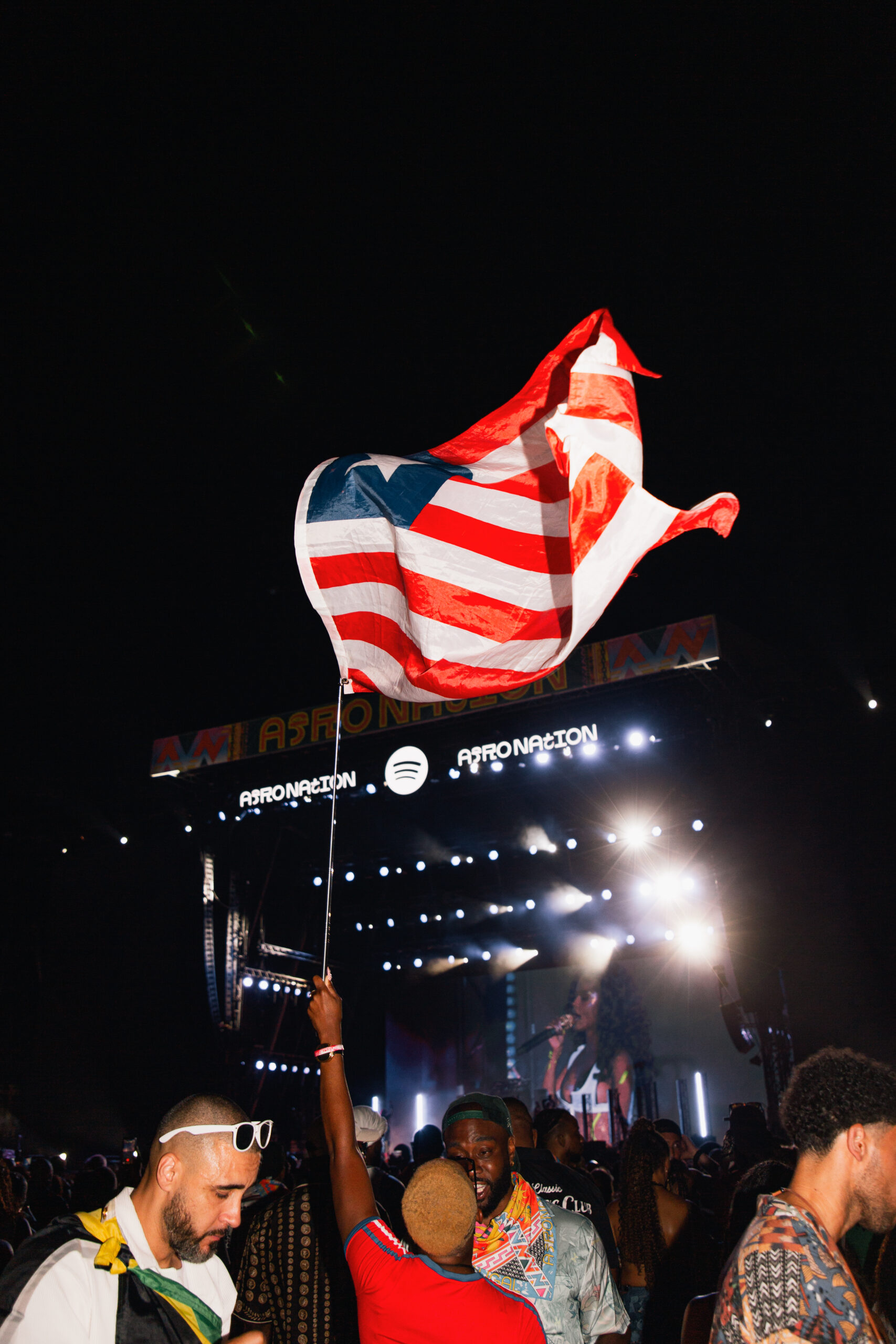
Post-festival and since being back home in London (UK), I have been riddled by a particular contemplation that I seem unable to shake from my thoughts: is the thriving ecosystem which Afro Nation has now created (that is evidently uniting Africans and members of the diaspora in celebration of our music and culture), a living embodiment of the “Wind Of Change” that was once prophesied about in 1960’s as Africa embarked on its journey into post-colonialism and independence?
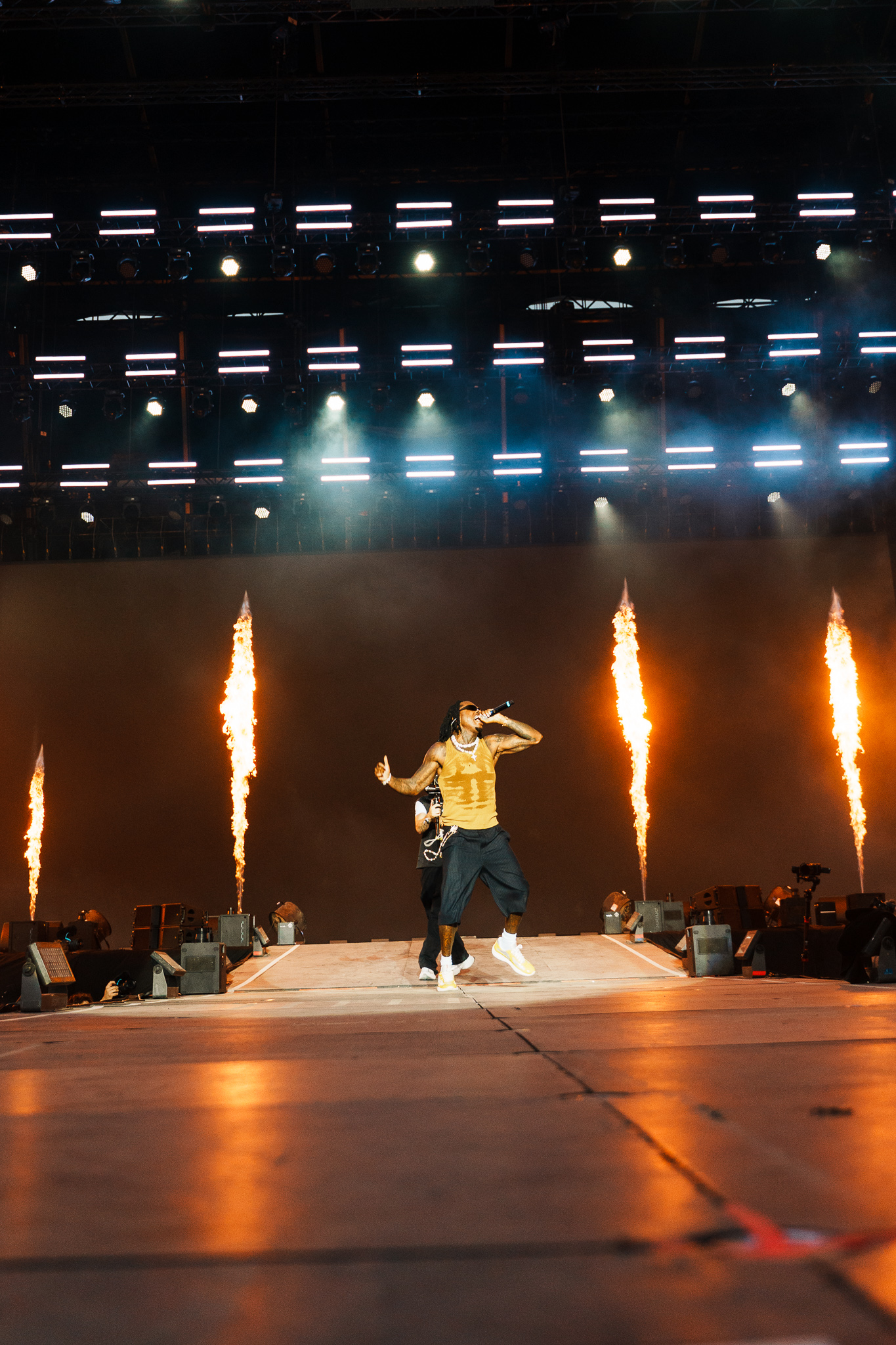
I say this because the ideology of Pan-Africanism is intricately woven and embedded within the very spirit of the festival in various ways: Afro Nation’s very iconography (if you pay close attention), Burna Boy’s on-screen inclusion of the Haitian Coat of Arms, the homage to the broad and beautiful hair stylings on black women during Wizkid’s performance, the Rep-Your-Flag feature throughout the festival, the general uncompromising promotion of Afrocentrism, and more.
Beyond this, and as we look to the future, one other question looms over my mind: will the world’s biggest Afrobeats festival in the world soon return to home soil on the continent, and if so, where would they decide to set up base? The Ghana Year Of Return edition in 2019 was spectacular, but since then, we were later promised in festival in Nigeria which never came to fruition… For me, the next chapter of Afro Nation entails (if it is true to its philosophies) an eventual transition back to Africa. For me, this would represent the “Wind Of Change” truly coming full circle via Afro Nation.
Final Thoughts
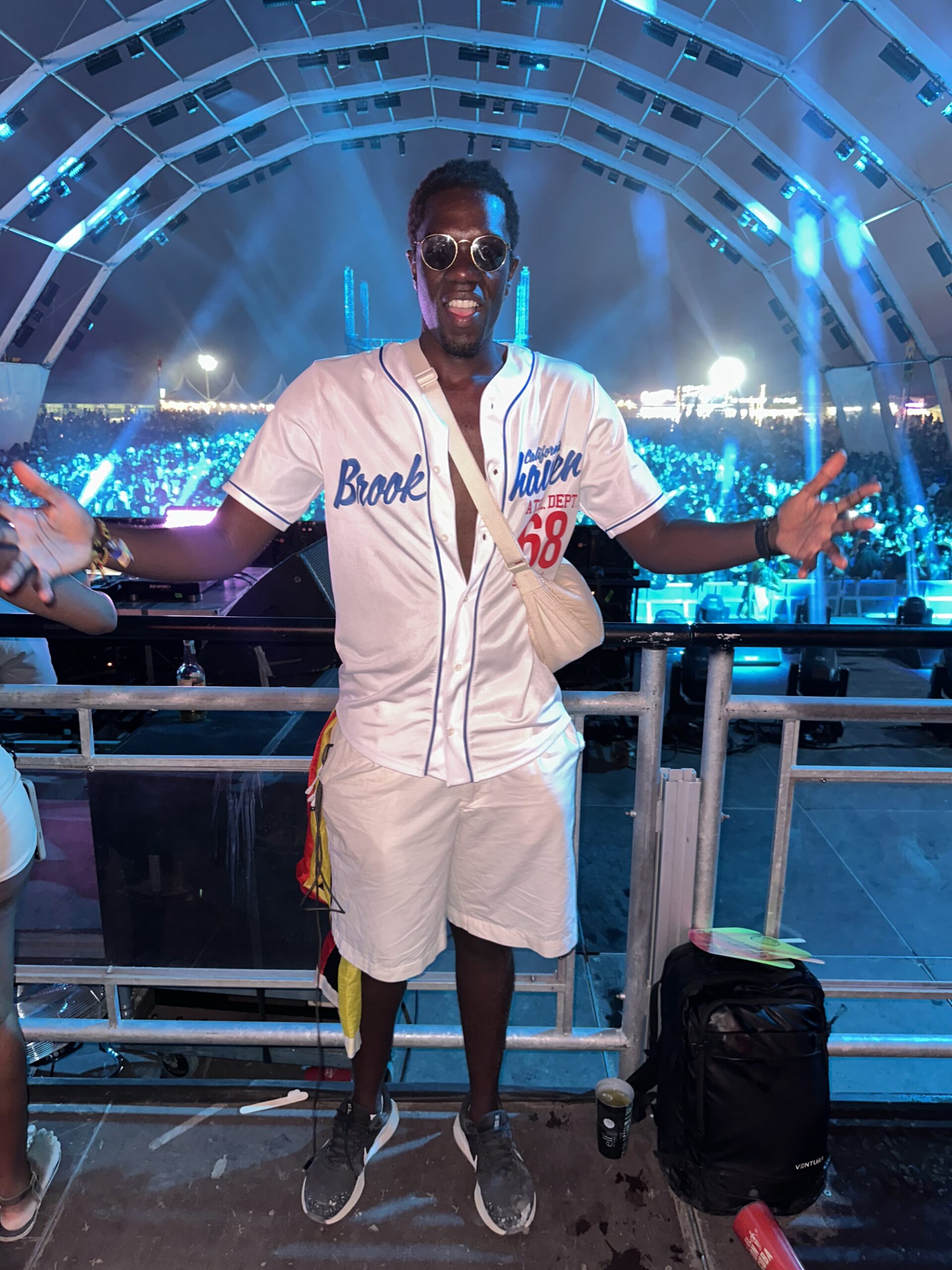
Beyond my personal affinity for this festival, Afro Nation is an incredible experience which I actively advocate for as many people to attend – regardless of their creed, colour or background. It is for everyone – not just Africans/members of the diaspora. What is clear in its now sixth edition, is that Afro Nation has always been more than a festival. It is a platform built to celebrate African music, support artist breakthroughs and connect a global community through culture.
That said, it is not without its flaws: the main gripe I have is the last minute drop out of Mavo and delayed comms of the lineup/timings on the final day. This mirrors last year when Chris Brown’s performance was unexpectedly cancelled with little notice. Both instances were very disappointing to say the least. Moving forward, it is my wish for Afro Nation to become more water tight with their line ups to avoid last minute drama.
As we move into their seventh edition in 2027, I am eagerly observing Afro Nation with regard to how they engage with Africa moving forward; as titan partnerships with the likes of Spotify continue to manifest themselves, I wonder how Afro Nation will strike the balance between maintaining its familial feel rooted in culture, while continuing its unprecedented journey of commercial expansion. Hopefully the former isn’t compromised by the latter – but only time will tell…
This festival review of Afro Nation Portugal 2026 was drafted by Norman Busigu, who was selected to be Official Press by Zeitgeist. Images/Digital Assets supplied by Afro Nation.