
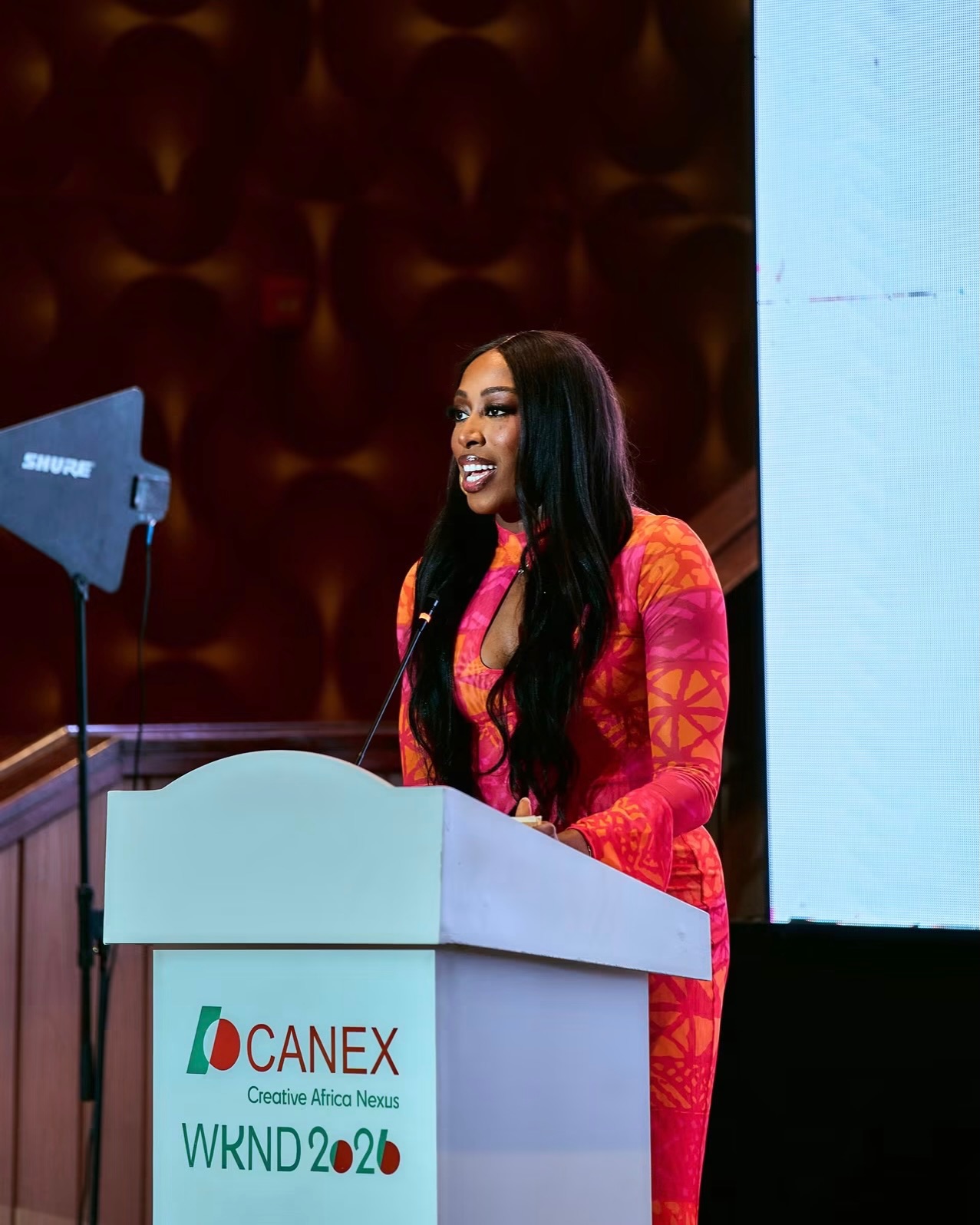
You can feel it almost immediately when Chiney Ogwumike walks into a room. It is not just her presence- tall, striking and seemingly in perfect sync with her surroundings- but the energy she carries with her. She arrives just in time for her keynote at CANEX 2026, and the exhibition hall in Wole Soyinka Centre for Culture and Creative Arts where she is speaking in is already packed, with people from different generations and backgrounds gathered to hear her speak.
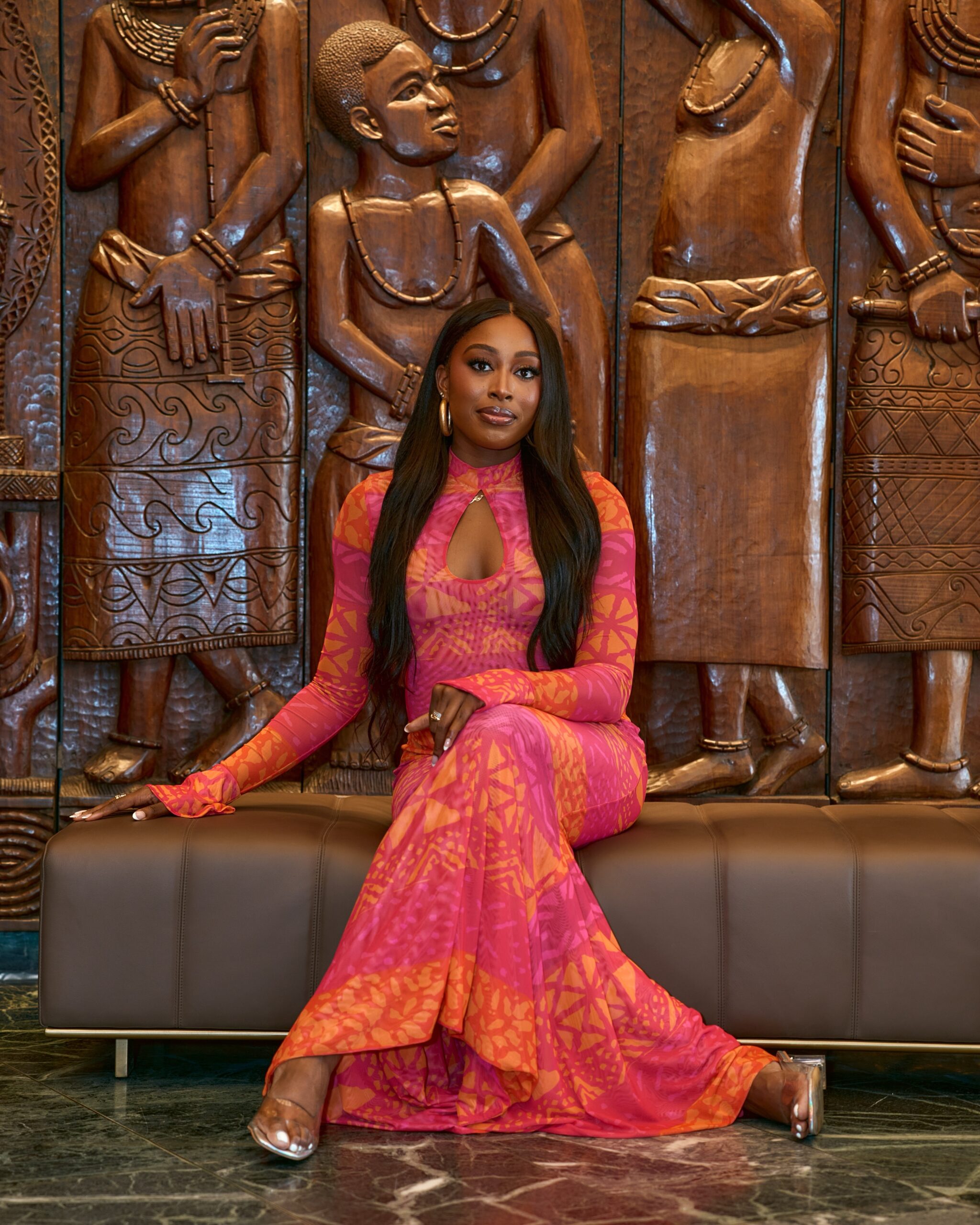
Image Credit: @chiney
Ogwumike is a trailblazer in almost every sense of the word. In 2020, she became the first Black woman and the first WNBA player to host a nationally syndicated radio show on ESPN. She was also among the youngest commentators to be named an NBA analyst for the network, covering the NBA, WNBA and other sports while continuing to play professionally. A Stanford graduate, she has served as vice-president of the WNBA Players Association and was once the all-time career scoring leader, regardless of gender, in Pac-12 Conference history. Her achievements also earned her a place on the Forbes 30 Under 30 list in 2020.
Today, Ogwumike is turning much of that experience and influence towards the future of basketball on the continent. As an ambassador for the Basketball Africa League (BAL), she is using her platform to create greater visibility and opportunities for African talent. One of her key initiatives is Queens of the Continent, a project focused on discovering and spotlighting African female basketball players while creating pathways for them to develop their skills, access opportunities and take their careers to the next level.
As she takes the stage, Ogwumike acknowledges the significance of the gathering, describing it as an opportunity to bring together different communities and cultures from across the continent. But before getting into the heart of her presentation, she makes the session interactive, asking the audience who won the WNBA Finals just days earlier. A resounding answer of the Valkyries comes from the room.
After introducing herself and Queens of the Continent, she puts the audience through a quick visual exercise. A collage of some of basketball’s most recognisable male players appears on the screen, and she invites the audience to identify the familiar faces. It is an easy exercise for the room. But then she introduces a different vision of what basketball’s future could look like, pressing play on a short film celebrating some of the greatest women to have played the game, including her own sister, WNBA legend Nneka Ogwumike.
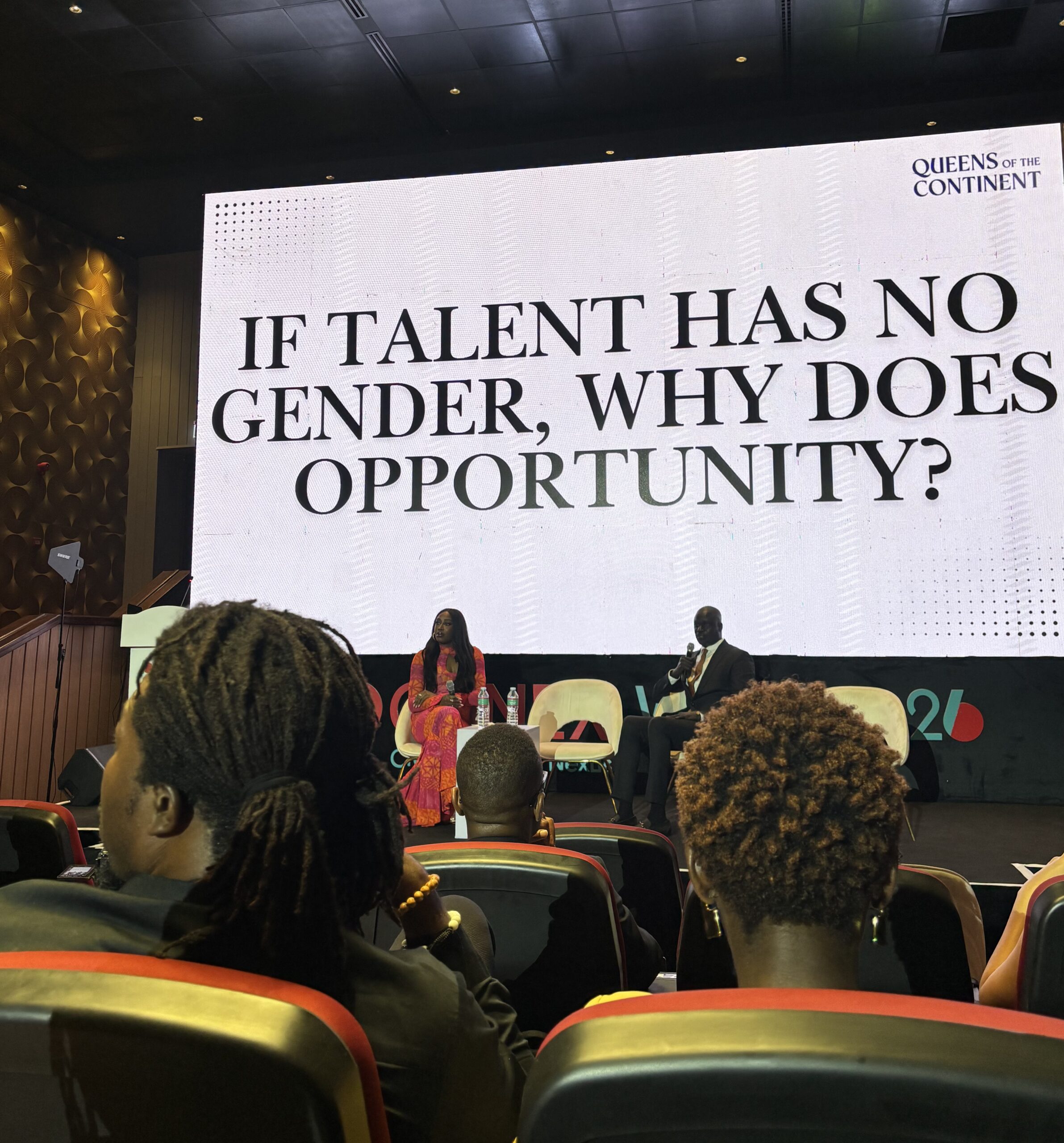
The contrast is deliberate. For Ogwumike, changing the future of basketball means changing who gets seen, celebrated and given the opportunity to succeed. Women have been building the game for decades, but their contributions have not always received the same visibility, investment or institutional support as their male counterparts. Through Queens of the Continent, she wants to help change that, starting with African women whose talent deserves a much bigger platform.
She also brings the conversation closer to home, introducing three emerging basketball talents and highlighting the challenges they face. Their experiences reflect a familiar problem across women’s sports: talented athletes often have to fight for basic resources and the support required to compete at the highest level.
One of the speakers recalls the difficulty of securing brand partnerships and even basic necessities for the players. Despite their achievements and the possibility of making history, potential sponsors repeatedly dismissed women’s basketball as a sport that attracted little interest. The challenge, she explains, was not a lack of talent or ambition, but a lack of people and institutions willing to invest in them.
Ogwumike’s plans extend beyond visibility and advocacy. During the session, she also introduces Danj Anyiam Stadium Court, a project she is working on that is expected to launch the following month. The initiative aims to provide a safe, supportive and conducive space where emerging basketball talents can train, develop and pursue opportunities in the sport.
It is this gap between potential and opportunity that Ogwumike is determined to address. Her work is not simply about introducing more African women to basketball or putting a few promising players in front of an international audience. It is about building the structures that allow them to stay in the game, develop professionally and compete on a much bigger stage.
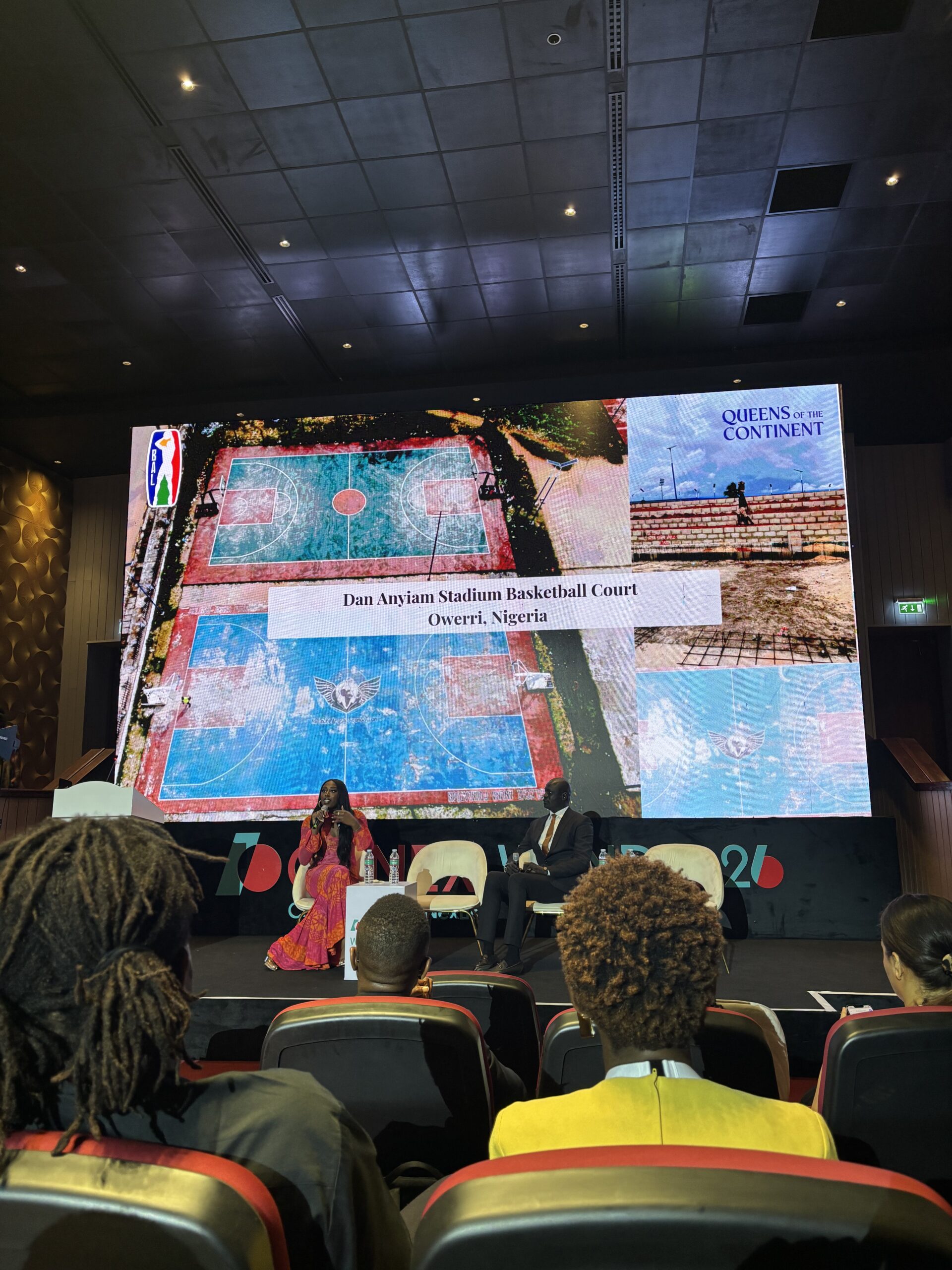
Through Queens of the Continent, her work with the Basketball Africa League and initiatives like Danj Anyiam Stadium Court, Ogwumike is making a case for a different future, one in which African women are not simply part of the conversation about basketball but are among the people shaping where the game goes next.