
Mahama Explains Why Ghana Rejected the $109M US Health Deal
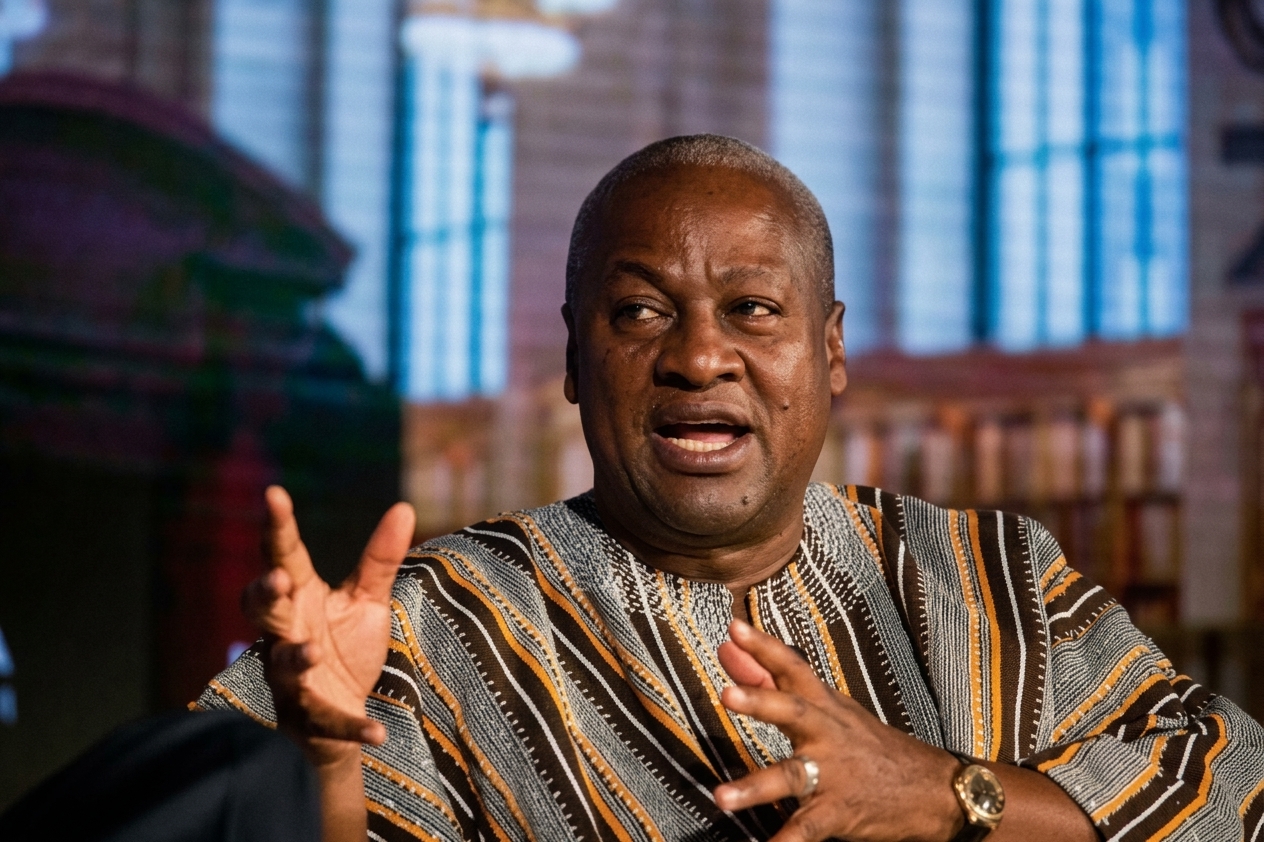
Ghanaian President John Dramani Mahama has revealed why the country rejected a proposed $109 million US health deal.
Speaking at the Council on Foreign Relations in New York, Mahama described the terms as deeply humiliating. He asserted that Ghana would never compromise its national sovereignty for foreign aid.
The proposed agreement was designed to replace aid previously supplied by USAID. In 2025, the U.S. administration dismantled USAID and slashed global foreign assistance by 57%. Foreign aid shifted toward “America First” bilateral deals. These new compacts often required recipient nations to grant strategic concessions.
Ghanaian health officials initially reviewed the proposal as a routine paper for Cabinet consideration. However, ministers quickly identified several alarming conditions embedded within the text.
The agreement required Ghana to transfer its endemic pathogen profiles to Washington. Furthermore, it demanded unrestricted access to private medical records of Ghanaian citizens.
Financial burdens also triggered strong opposition. Ghana was required to commit domestic counterpart funding to access the U.S. resources.
Worse still, the compact stripped the local Food and Drugs Authority of its oversight power. It barred the FDA from inspecting medical products imported under the project.
President Mahama noted that Cabinet dismissed the controversial proposal in record time. He subsequently instructed the Health Minister to inform the U.S. Ambassador of the decision. Mahama firmly declared that Ghana could manage its health sector independently.
This rejection reflects a broader regional push toward self-reliance. African leaders are increasingly wary of transactional foreign assistance.
To fill the void left by USAID, President Mahama launched the Accra Reset. This head-of-state initiative aims to achieve true health sovereignty across the African continent.
The strategy operates on a strict doctrine of full accountability and local control. It seeks to boost local pharmaceutical manufacturing and vaccine production.
Consequently, Africa will avoid relying on external aid during future global pandemics. By rejecting the US health deal, Ghana has set a bold precedent. The nation prioritizes domestic data privacy and regulatory authority over foreign financial assistance.