
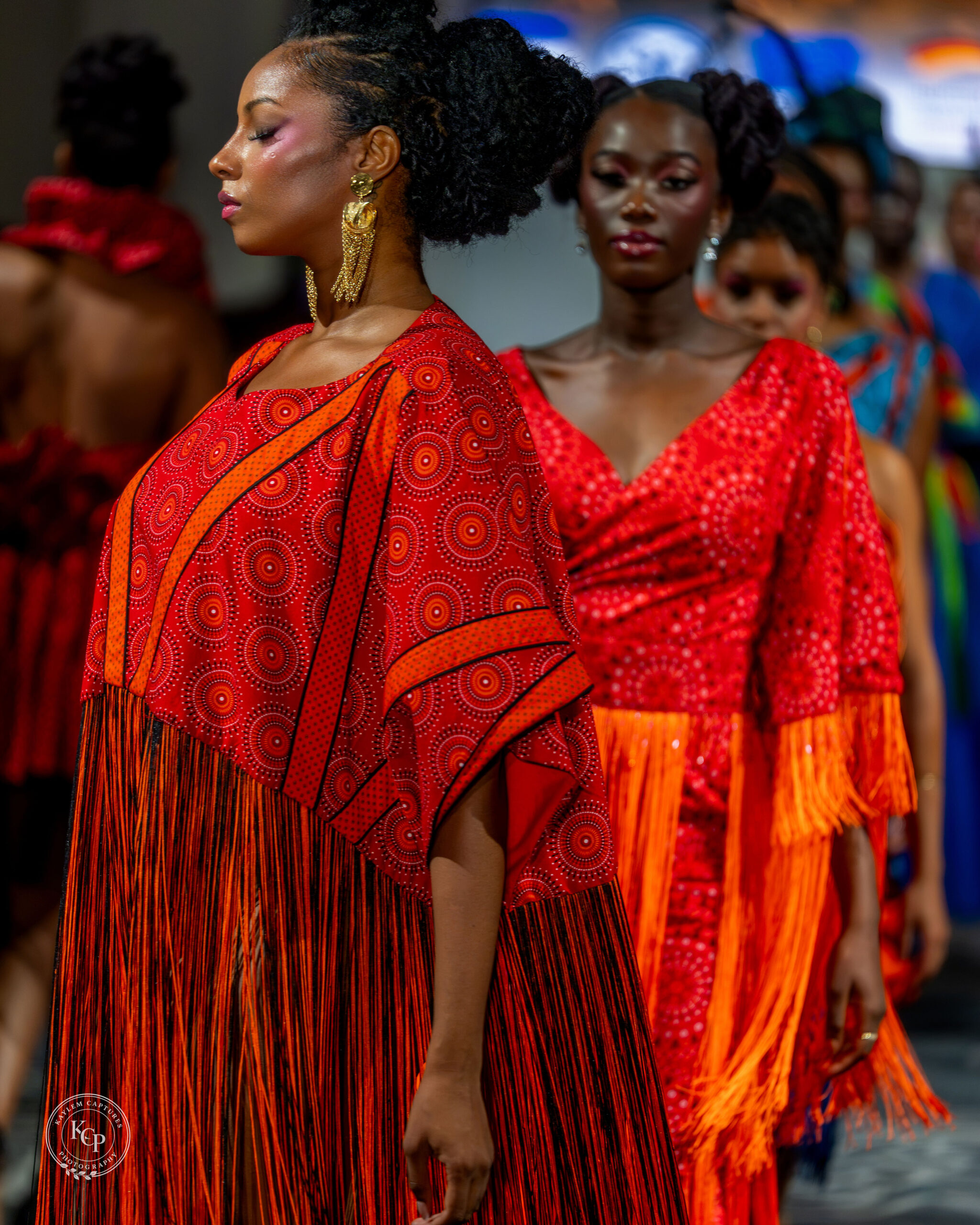
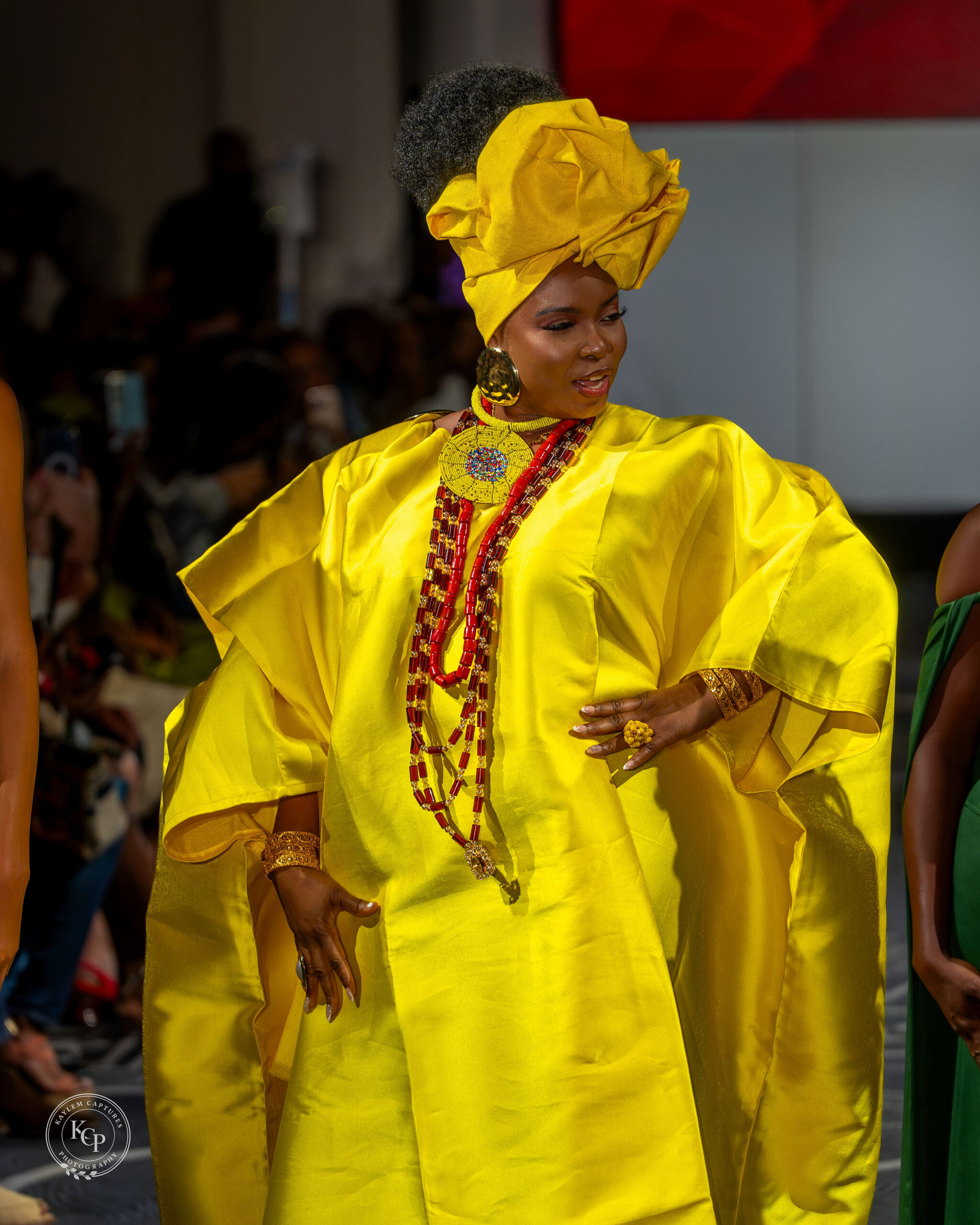
Pictured: Yemi Alade
The first time I attended Africa Fashion Week London (AFWL) was in August 2014. With four friends in tow on a warm summer afternoon, we entered the opulent Olympia West Hall in Kensington for AFWL’s third edition, brimming with excitement to explore and absorb its authentic Afrocentric offerings. Living up to its premise as the largest African fashion platform beyond the continent, the experience allowed me to fully immerse myself in a universe of African apparel and aesthetics from across the continent, all brought together within one carefully curated space. All the while, I was proudly rocking a Ugandan Kitenge and sporting a high-top with the freshest skin fade anyone had ever seen. Safe to say, I was feeling myself.
More important than the runway shows and brand activations, however, was the mental and perhaps even spiritual shift that took place within me after the event. Attending AFWL in 2014 opened my eyes to a world of artistic expression I had yet to experience in person.
It is no secret that the fashion industry has historically been notorious for having few entry points. It can often feel like a realm reserved for those already operating within the industry, or for those possessing the social and cultural capital required to secure a coveted invitation to runway shows, presentations or internships at prestigious fashion and design houses. For me, AFWL offered a glimpse into that world without requiring me to already belong to it.
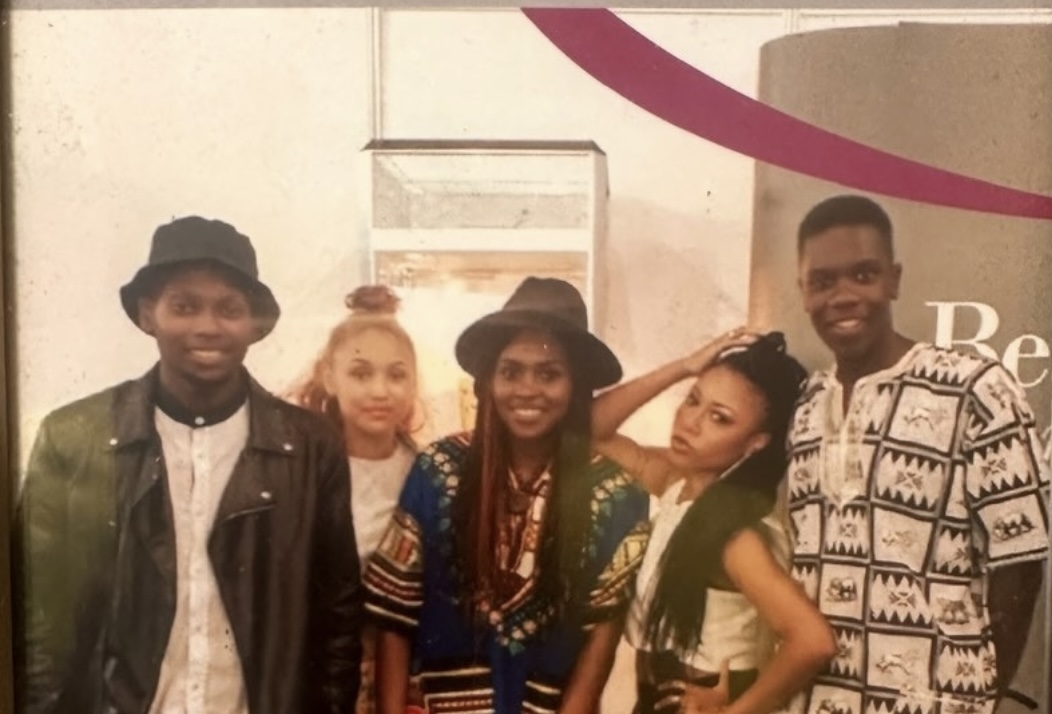
Norman Busigu (far right) & friends at Africa Fashion Week London 2014
But AFWL, by virtue of its ethos of inclusivity and its commitment to spotlighting African fashion without compromise, has created a new gateway into this once-exclusive world, giving African talent en masse the opportunity to exist and compete within an industry that has historically been elitist and exclusionary. Through innovative initiatives such as the Creative DNA Programme, AFWL is equipping African designers with the knowledge, tools and relationships needed to navigate the industry, from its entry points to its highest echelons.
In 2026, that commitment to empowerment was amplified through a packed programme running from 17–23 August. Highlights included a DJ masterclass delivered by Cuppy and British Council-AFWL panel discussions hosted by AFWL Creative Director Bola Obileye. Together, these events created space for meaningful conversations around the future of fashion, creativity, sustainability, entrepreneurship and collaboration, while offering inspiration and practical guidance to the next generation of talent finding its way through the industry.
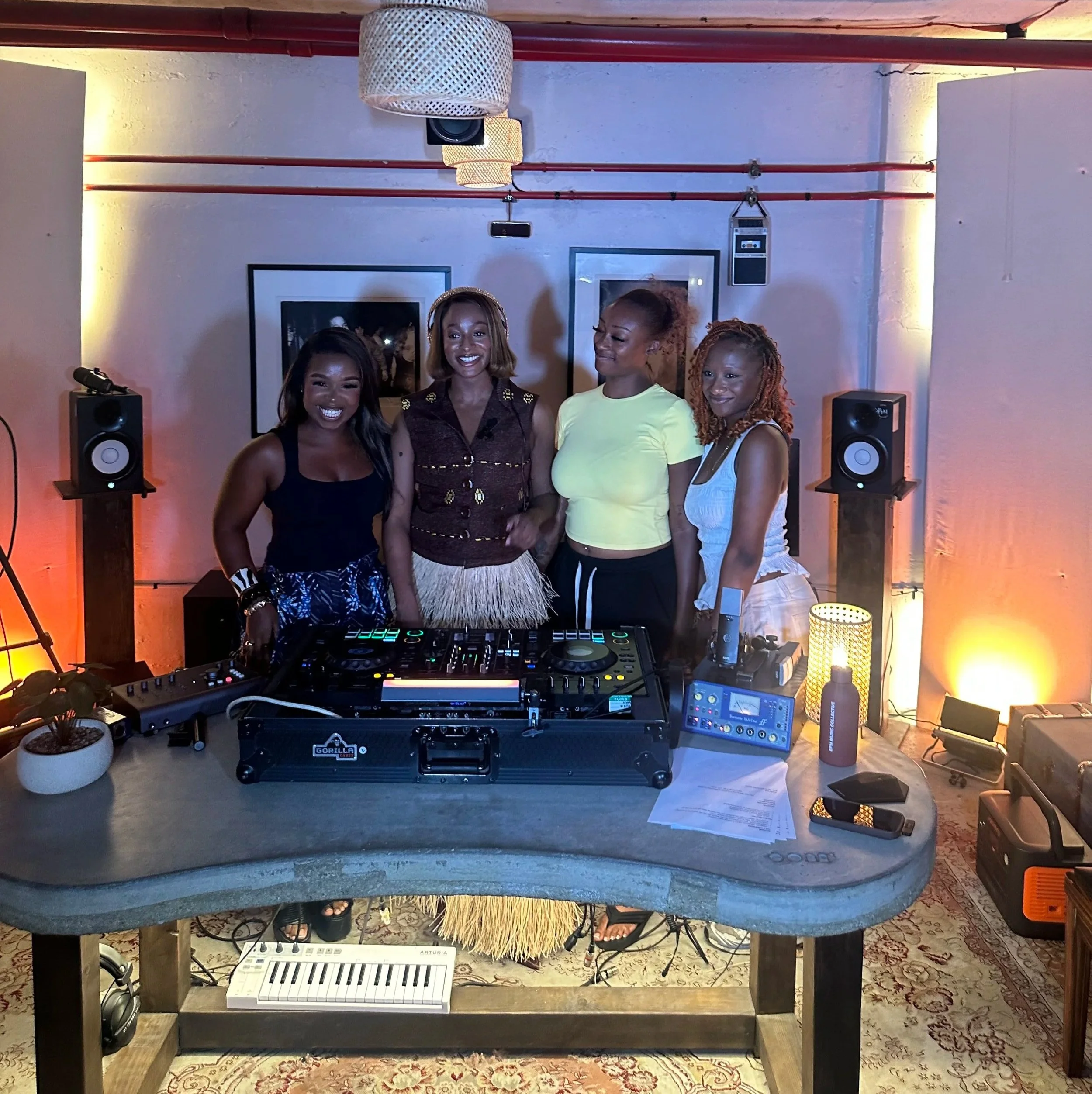
Pictured: Cuppy
Since its inception, AFWL has also cultivated a safe space that unapologetically celebrates the beauty of distinctly Black features: from curvaceous body types and wider noses to fuller lips and Afro-textured hair all in an industry where Eurocentric ideals have historically been positioned as the default. Rather than waiting to be invited onto the world’s biggest stages, the AFWL team built their own.
In doing so, they have created an environment where the aesthetics unique to our communities are not simply accommodated, but celebrated as a standard of beauty in their own right. The philosophy that Black is beautiful, alongside a distinctly Pan-African ethos, sits at the heart of AFWL. To embrace these ideas, however, is also to interrogate the Western frameworks through which beauty has traditionally been understood. It forces us to ask two fundamental questions: What is beauty, and who gets to decide what beauty looks like?
Why This Matters
Fashion has long served as an invaluable means of preserving the identity, history and traditions of cultures and their people. Every stitch in a garment, whether a Congolese Lupita, Ugandan Gomesi or Xhosa Umbhaco, can tell an intricate story without a single word being spoken. The textures, silhouettes and colours converge to create a visual language rich with history and meaning.
Protecting these stories is therefore of the utmost importance. It is not simply about preserving what our ancestors left behind; it is about carrying their spirit forward and allowing those traditions to evolve without being diluted or erased.
Working closely with the AFWL team over the years has shown me that they take this responsibility — this duty of care to our communities through fashion — incredibly seriously.
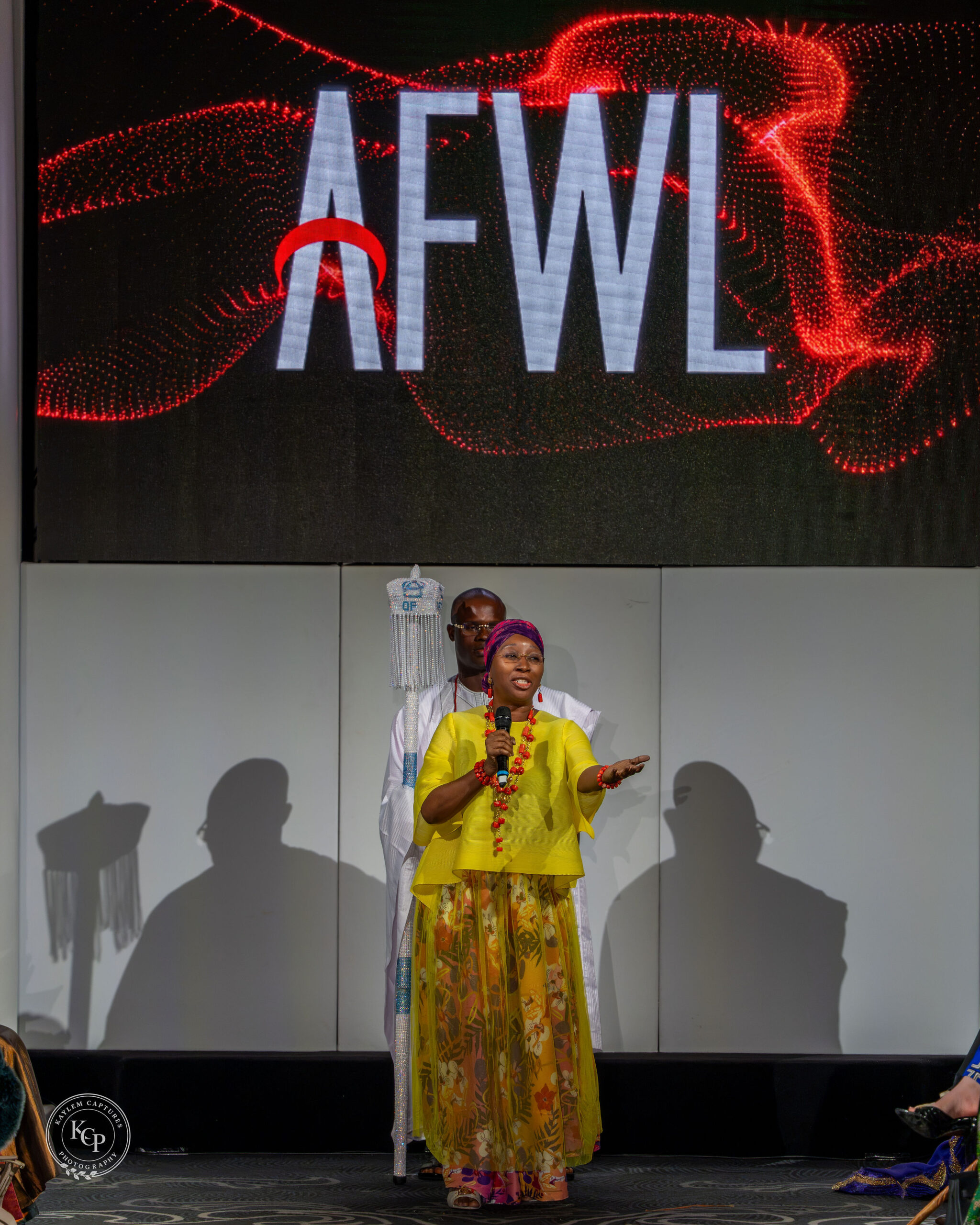
Pictured: AFWL Founder HRM Queen Ronke Ademiluyi-Ogunwusi
Reclaiming Our Royalty — On & Off the Runway
Before I had even stepped inside the magnificent halls of 8 Northumberland Avenue, catching sight of the building from afar made one thing immediately clear: AFWL was making a statement, albeit a quiet one, to our collective subconscious: African fashion deserves to be showcased on the world’s greatest stages.
And throughout 22–23 August, no stone was left unturned in delivering an experience worthy of that ambition.
Beyond the runway showcases and brand activations in the exhibition hall, attendees were treated to an electric performance by Seyi Shay and a surprise appearance from Mama Africa herself, Yemi Alade, during the Zephans & Co. catwalk, which also promoted her beauty brand Yem Beauty, the official lip partner for AFWL 2026. At almost every turn, there was someone of note in the room. The stars of our various creative industries had flocked to the event in numbers, with notable attendees including AFWL Matron Olufolake Abdulrazaq, First Lady of Kwara State, Nigeria; Miss Ejura Global; and Adesope “Shopsydoo”, affectionately known as the “Energy Gawd”.
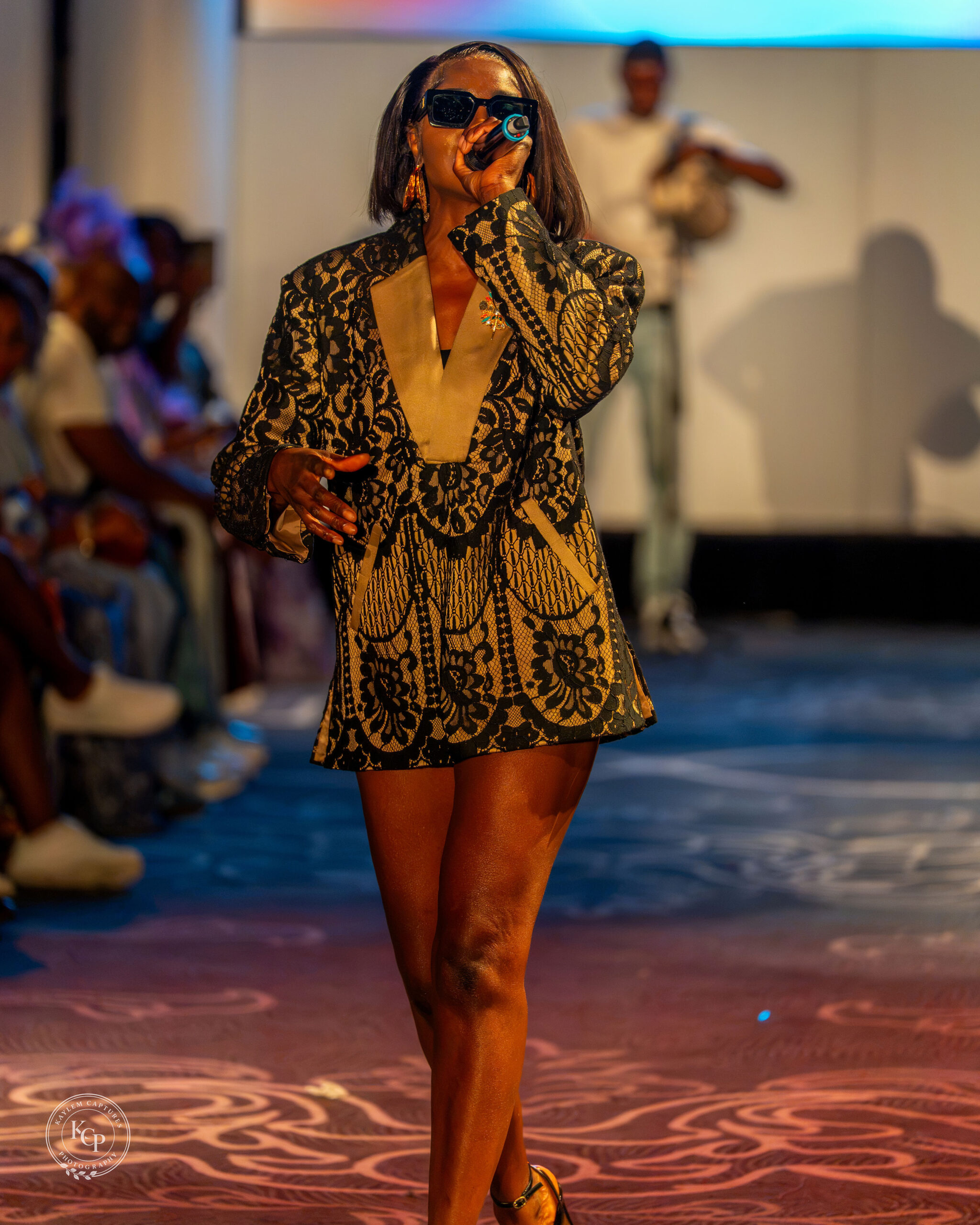
Pictured: Seyi Shay
Throughout the main runway presentations on Saturday 22 August, I couldn’t help but notice the recurring themes of royalty, love and unity woven through the collections. Mary Martin London, for example, delivered an immaculate presentation featuring DAM Model Management CEO Hassan Reese elegantly dressed in attire fit for a king — quite literally, as he carried a crown.
Elsewhere, Republic of Africa brought overt socio-political messaging around African emancipation to the runway. Beneath the surface-level beauty of each brand’s intricate designs were deeper questions for audiences to consider about who we are as Africans, where we currently stand and where we are collectively headed.
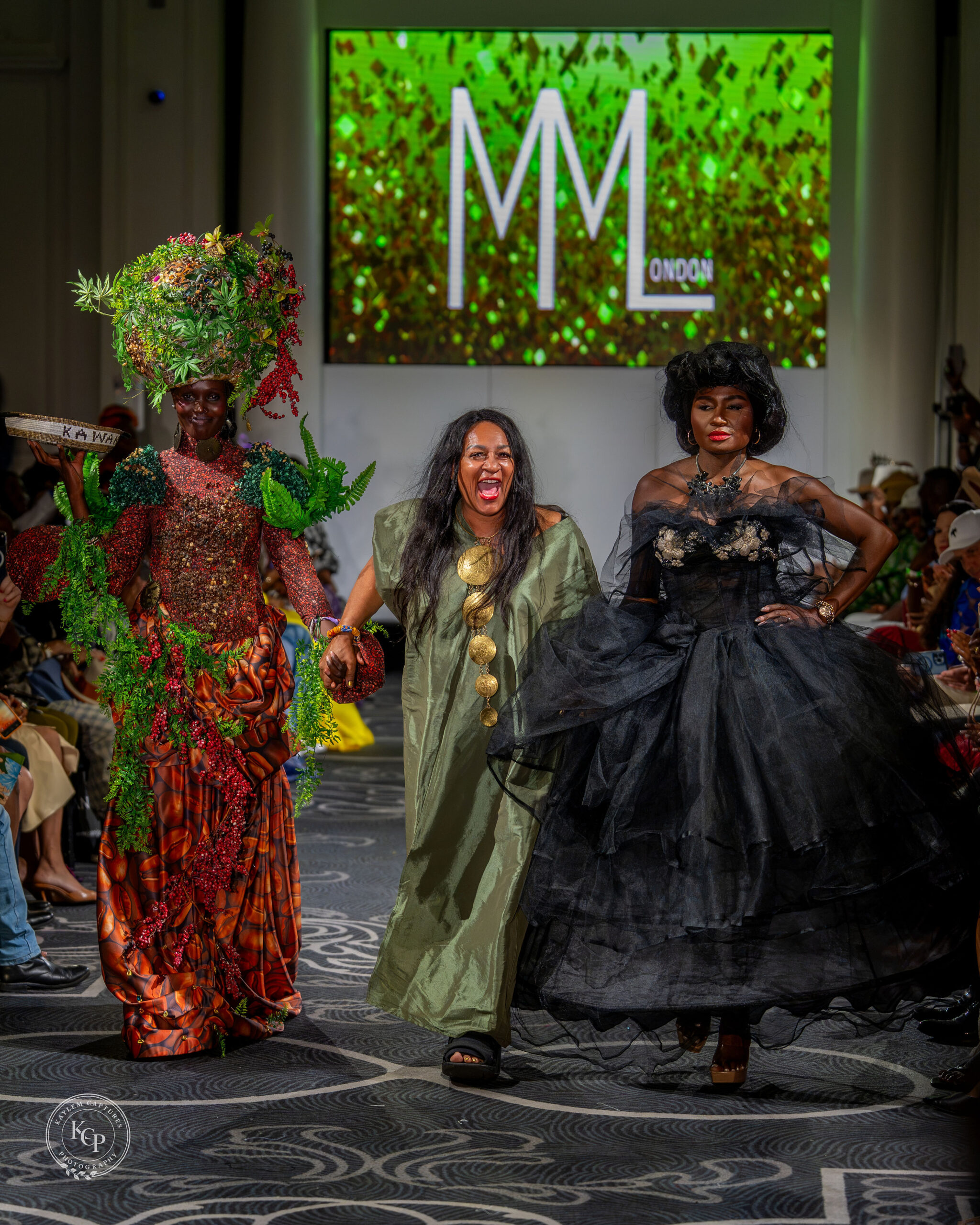
Pictured: Mary Martin London
That said, as inspiring as the runway presentations were, they were not without their shortcomings. While the event’s logistics and overall flow felt considerably more watertight than last year, the showcases once again suffered from late starts, which was disappointing. Moving forward, greater emphasis on punctuality would undoubtedly improve the experience for attendees.
I also felt that some of the showcases ran for too long. As constructive advice, I believe the overall production could benefit from more compact presentations, or alternatively, an increase in the number of showcases to create greater variety and momentum throughout the day.
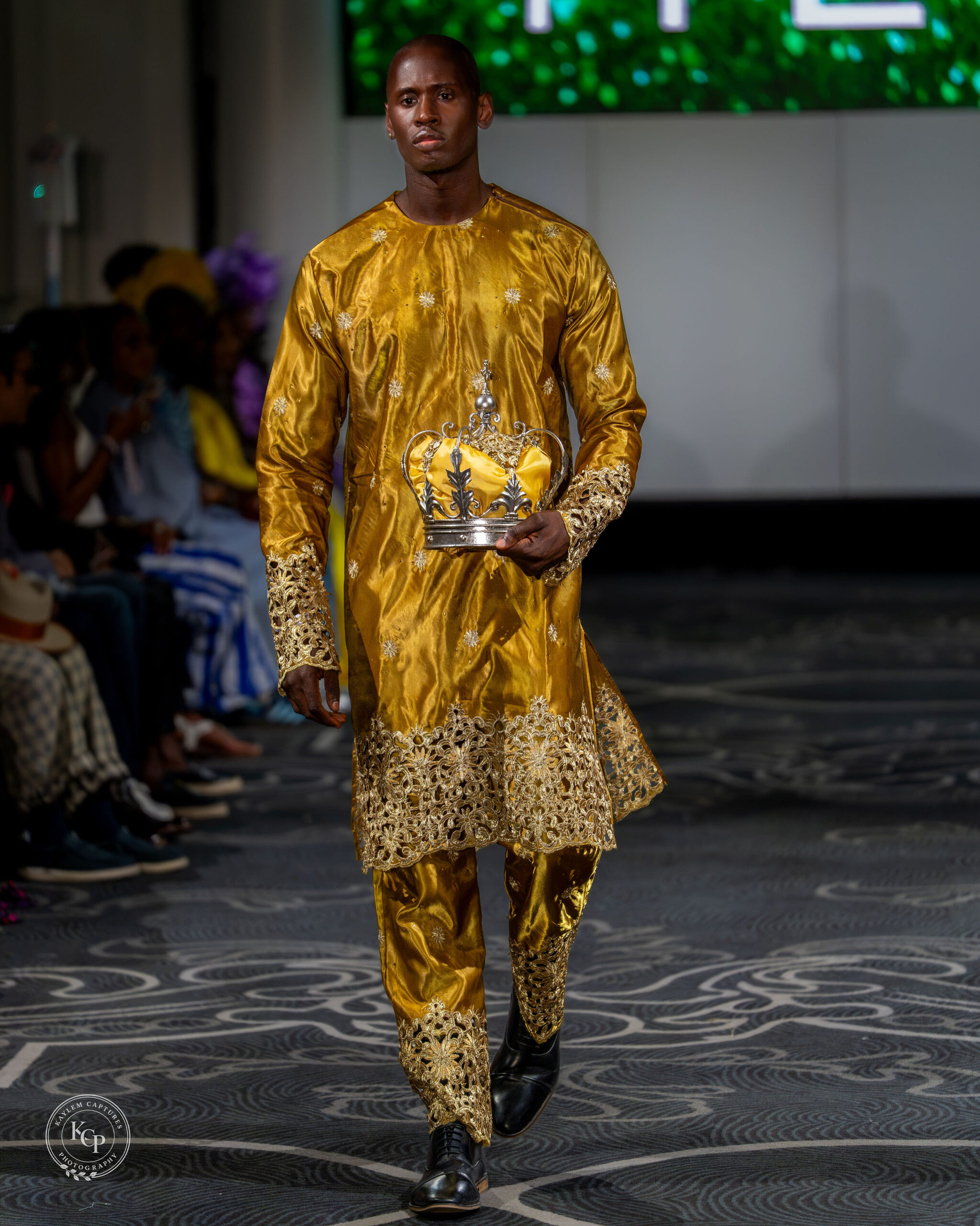
Pictured: DAM Model Management CEO Hassan Reese
Final Thoughts
The pioneering efforts of AFWL Founder HRM Queen Ronke Ademiluyi-Ogunwusi, alongside co-founders Prince Kamari Ademiluyi and Prince Adebolu Ademiluyi, have resulted in the creation of a truly distinctive fashion platform — one that continues to move the needle within an industry largely governed by exclusivity and privilege.
In doing so, AFWL is writing a new chapter in the industry’s playbook: one that centres Africans and members of the diaspora while proudly projecting the continent’s many cultures into the Western zeitgeist.
Now approaching two decades of operation, there is no denying that AFWL is building a transgenerational infrastructure capable of carrying its legacy well into the future. As the platform continues to evolve at the intersection of fashion, music and culture, I am excited to see how it further strengthens the channels of communication and collaboration between the diaspora and the continent, while helping African and diasporic talent reach even greater global heights.
Ultimately, the enduring magic of AFWL is that it is so much more than a few days of fashion and entertainment. For those who know how to make the most of the opportunity once they walk through its doors, the access, networks and self-belief it can instil can be genuinely life-changing.
All three have certainly been true for me.
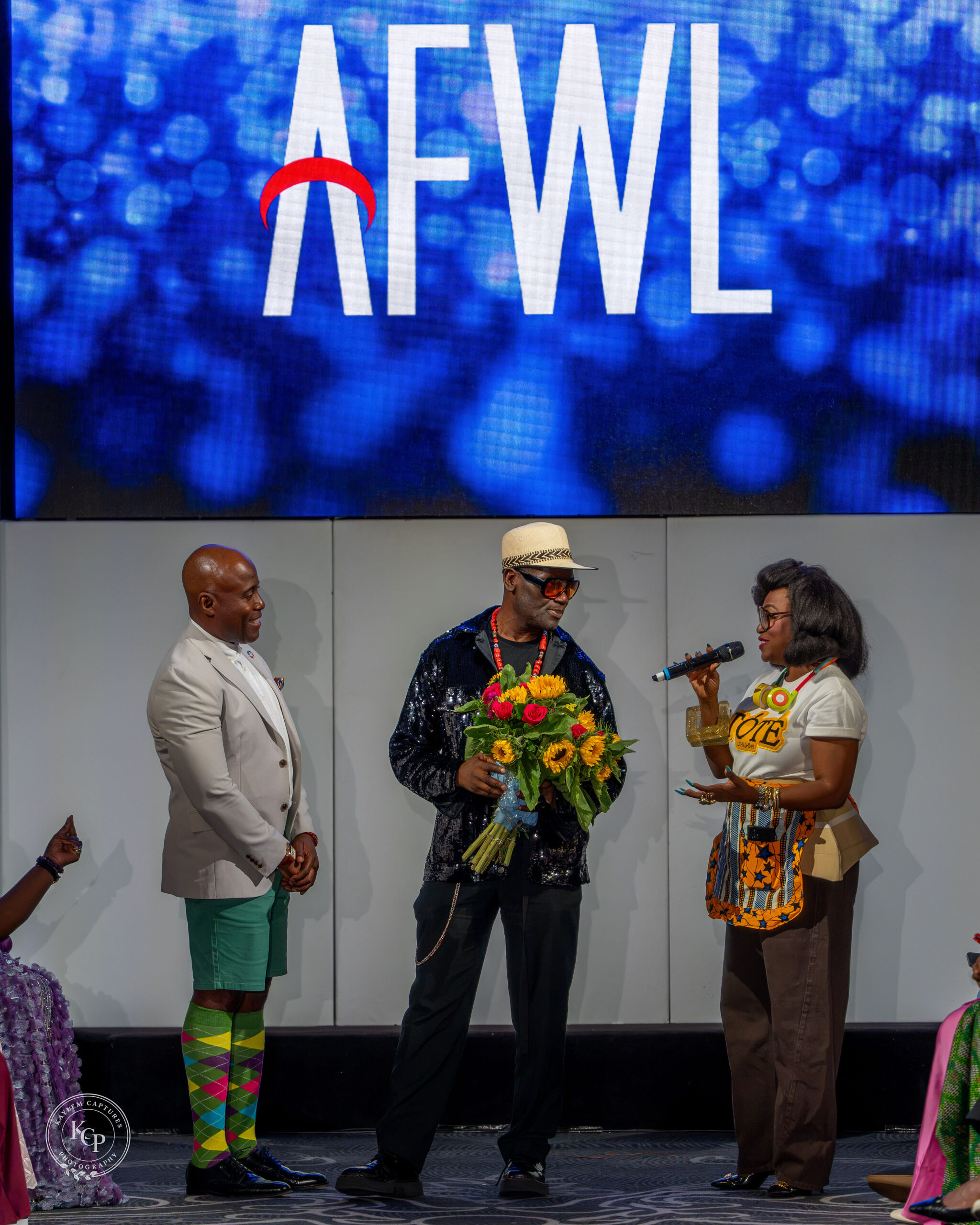
Pictured: Samson Soboye, Prince Kamari Ademiluyi and Bola Obileye
This is an Official Press review of Africa Fashion Week London 2026 written by Norman Busigu
Images by @kay_captures_creations