
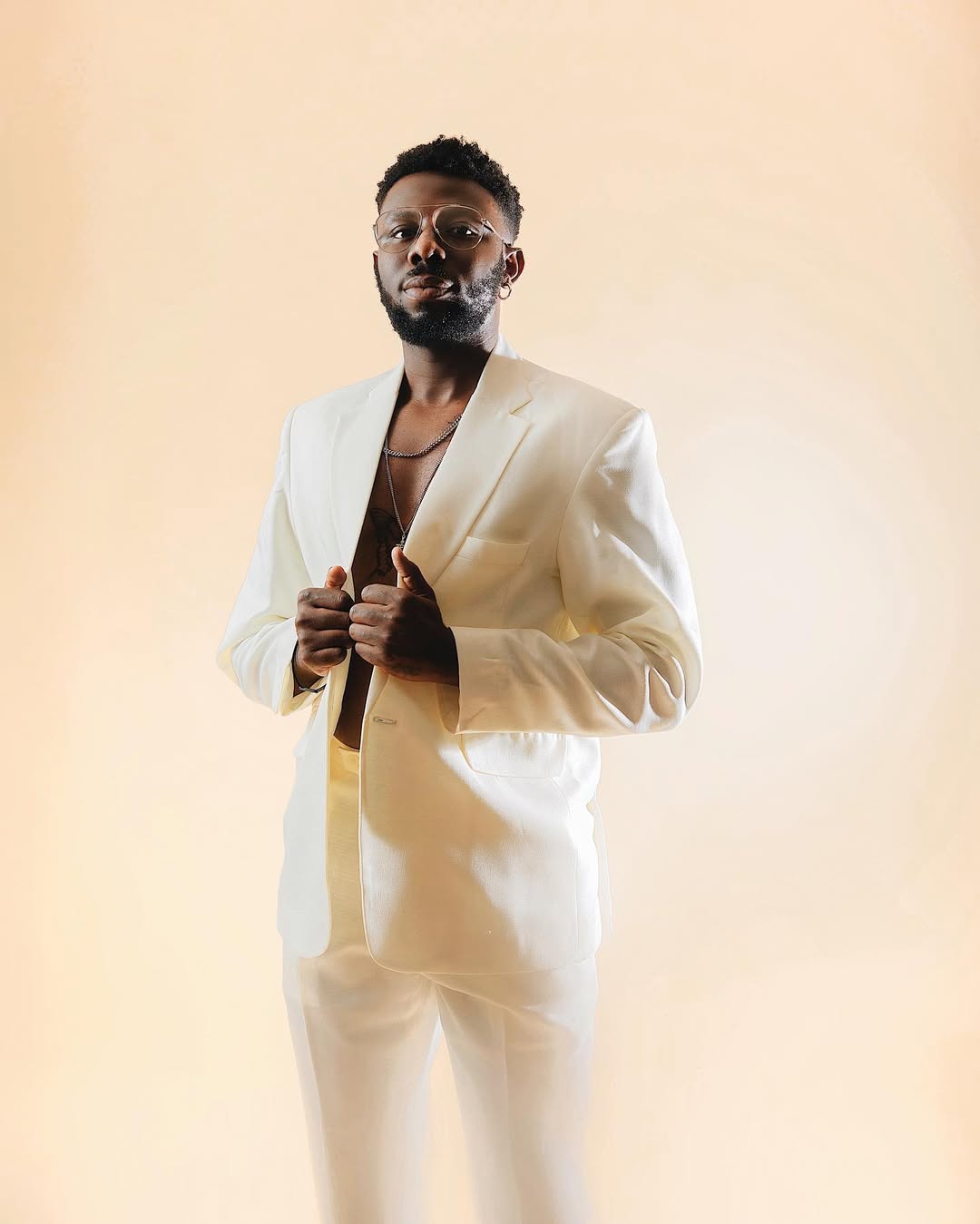
For a long time, Nigerian menswear existed within a fairly predictable set of rules. There were the agbadas, the senator suits, the sharply tailored wedding outfits and the occasional splash of streetwear. But a new generation of designers is making those rules increasingly difficult to define and, ultimately, impossible to limit.
We have designers like Adebayo Oke-Lawal of Orange Culture, who has risen over the years to the top of not just Nigerian and African fashion, but global fashion; Joseph O. Ike and Ola Akindeinde, the duo behind JZO, who have taken all we know and love about everyday African dressing and uplifted it. There has never been a more exciting time to care about African menswear than right now, and if you are excited, these are the designers to put on your radar.
Adebayo Oke-Lawal – Orange Culture
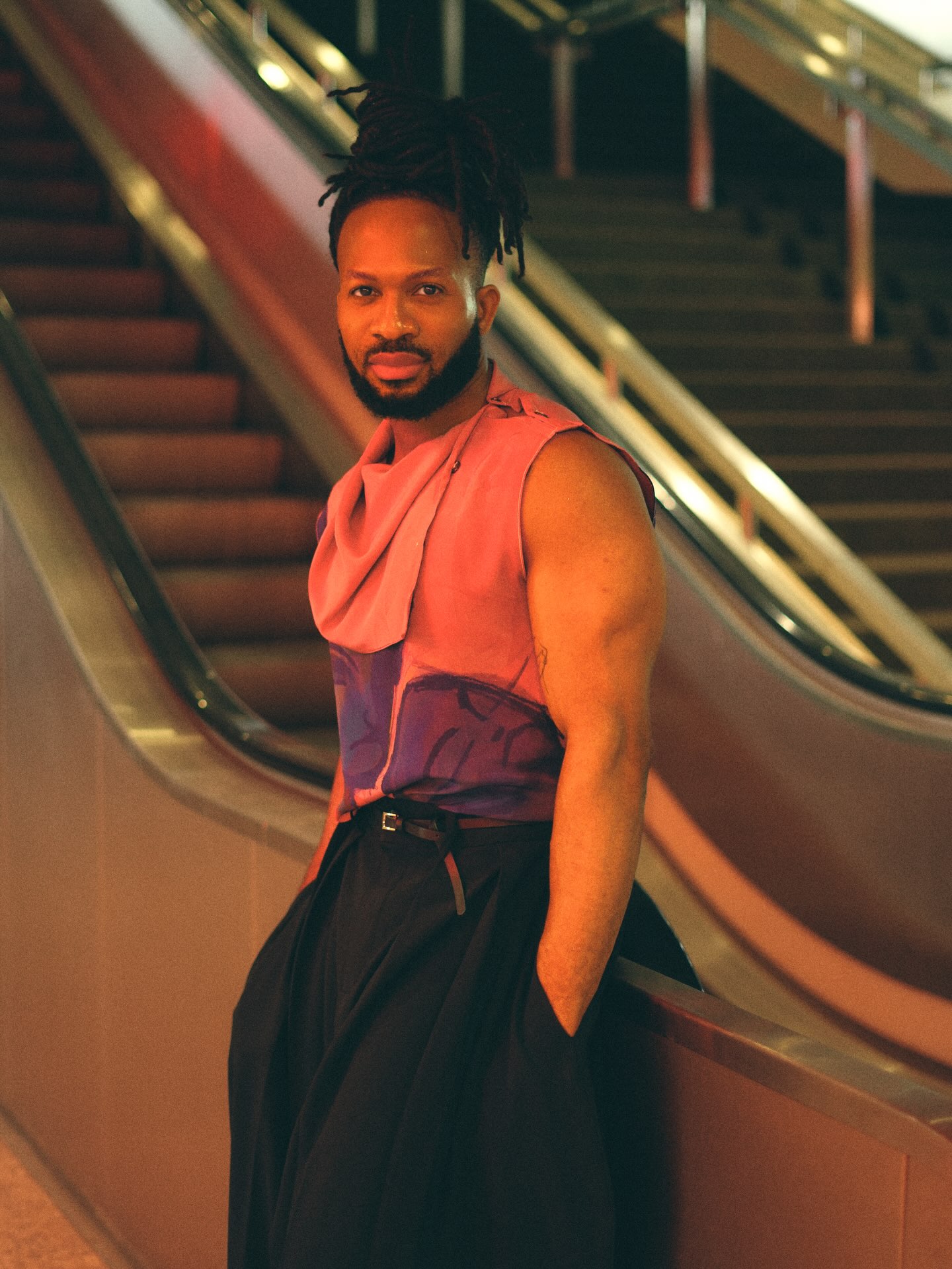
There is Nigerian menswear before Orange Culture, and then there is Nigerian menswear after it. Orange Culture helped push the idea of what menswear could be, and it did so with astounding success. Adebayo Oke-Lawal didn’t just create clothes for men; he challenged the very idea of what Nigerian menswear was supposed to look like. The success of the brand led to Oke-Lawal becoming a finalist for the 2014 LVMH Prize, and Orange Culture has since been included in the BoF 500, with the brand receiving international coverage from publications including Vogue, The New York Times, WWD and The Guardian.
Yinka Ash – Ashluxe
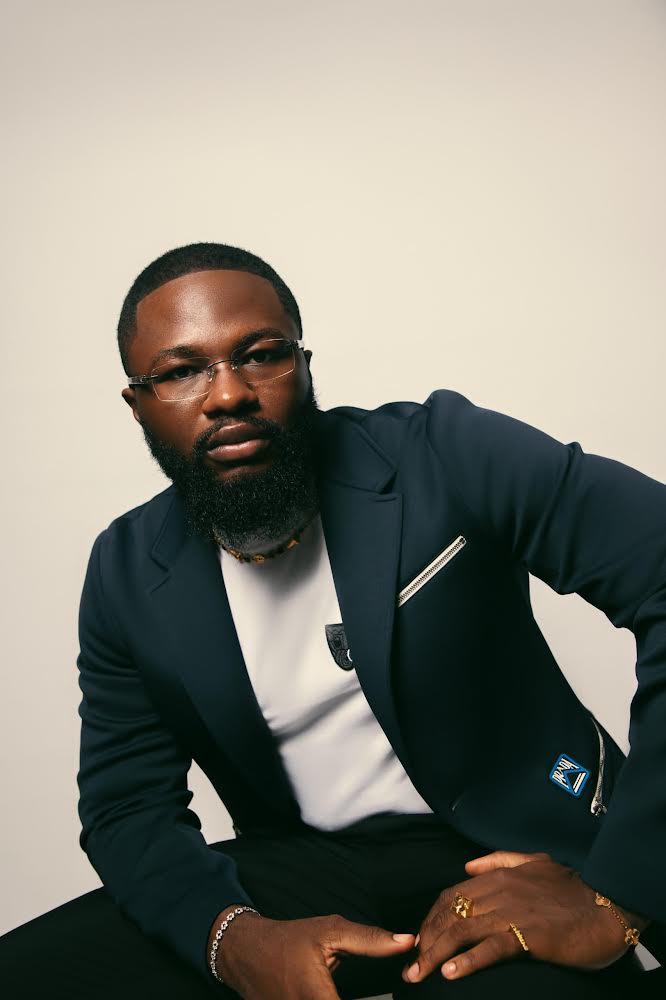
Image Credit: ESSENCE
Yinka Ash of Ashluxe represents another side of the evolution of Nigerian menswear: the rise of Lagos streetwear.
Ashluxe emerged from a generation of Nigerian fashion consumers who were just as interested in global street culture as they were in local style. The brand speaks directly to that audience, combining the language of luxury fashion with the energy of Lagos.
Another thing that has helped Ashluxe garner the level of success and popularity it has is that it has managed to feel aspirational without removing the cultural context that produced it.
The pieces the brand creates — sneakers, graphic pieces, oversized silhouettes and casual luxury — have become as important to the contemporary Nigerian wardrobe as traditional tailoring. They also reflect a broader change in how Nigerian men dress today.
Emmanuel Okoro – Emmy Kasbit
Modern menswear doesn’t have to be about streetwear to be futuristic. In fact, Emmy Kasbit proves that sometimes, to be modern and futuristic, you need to look at the past.
Through Emmy Kasbit, Okoro has built a contemporary wardrobe around Nigerian craftsmanship, particularly traditional woven textiles such as Akwete. Rather than treating these fabrics as something reserved for ceremonial clothing, the brand incorporates them into modern silhouettes that feel distinctly of the present.
Emmy Kasbit treats cultural preservation through fashion as a moving vehicle — one that should focus on looking to the future and finding new, innovative ways to make cultural classics feel like they belong to today and tomorrow.
Adeju Thompson – Lagos Space Programme
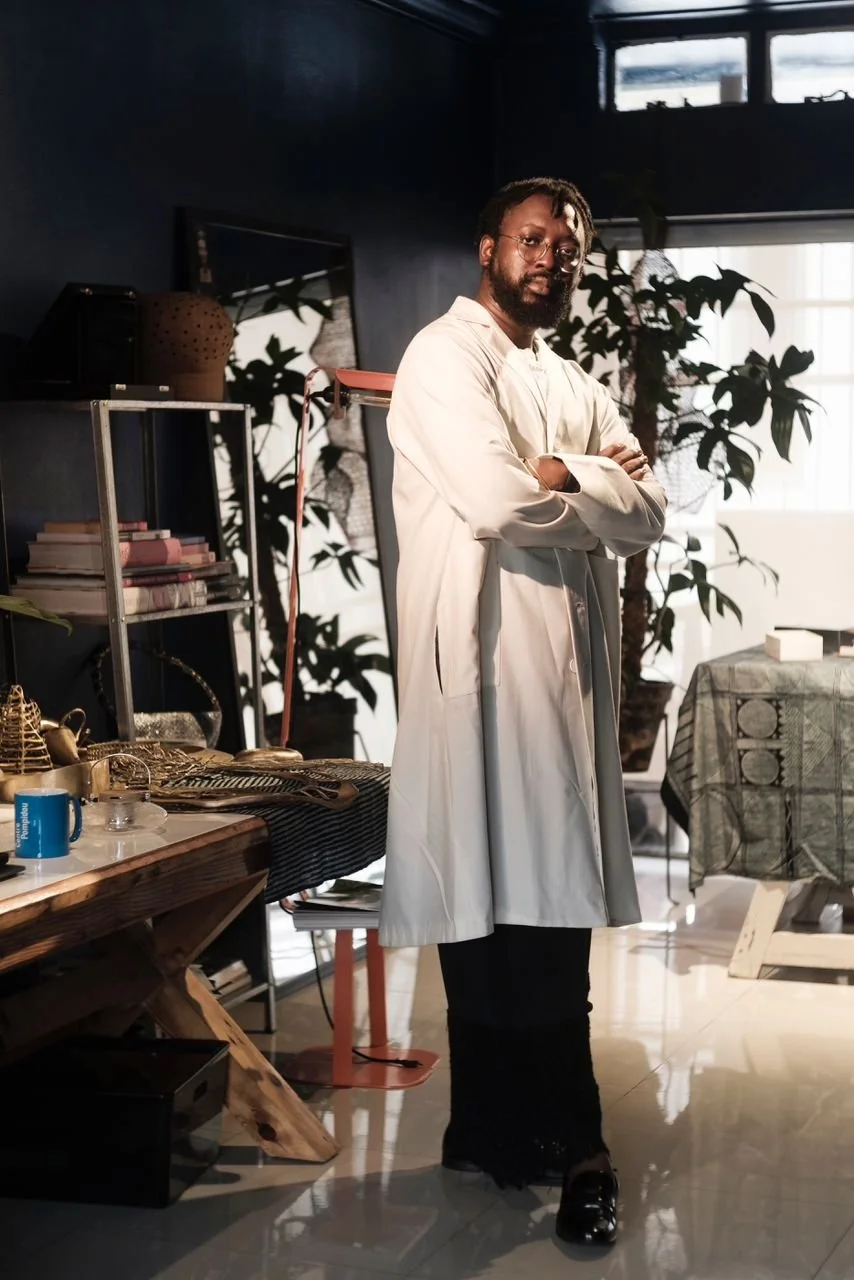
Image Credit: Lagos Space Programme
There are few designers in the game today as experimental as Adeju Thompson of Lagos Space Programme. On its website, Lagos Space Programme is described as more than just a fashion brand, and instead as a label that is “rooted in the lore of Yoruba tradition” and deconstructs and reconstructs that aesthetic into pieces that undermine convention, invite experimentation, and showcase craftsmanship from a singular place while creating styles that go beyond any one place.
It is also important to note that Lagos Space Programme doesn’t identify strictly as a menswear brand, but rather as a genderless one. Still, its pieces worn by men are some of the most experimental coming out of the continent.
Tokyo James – Tokyo James
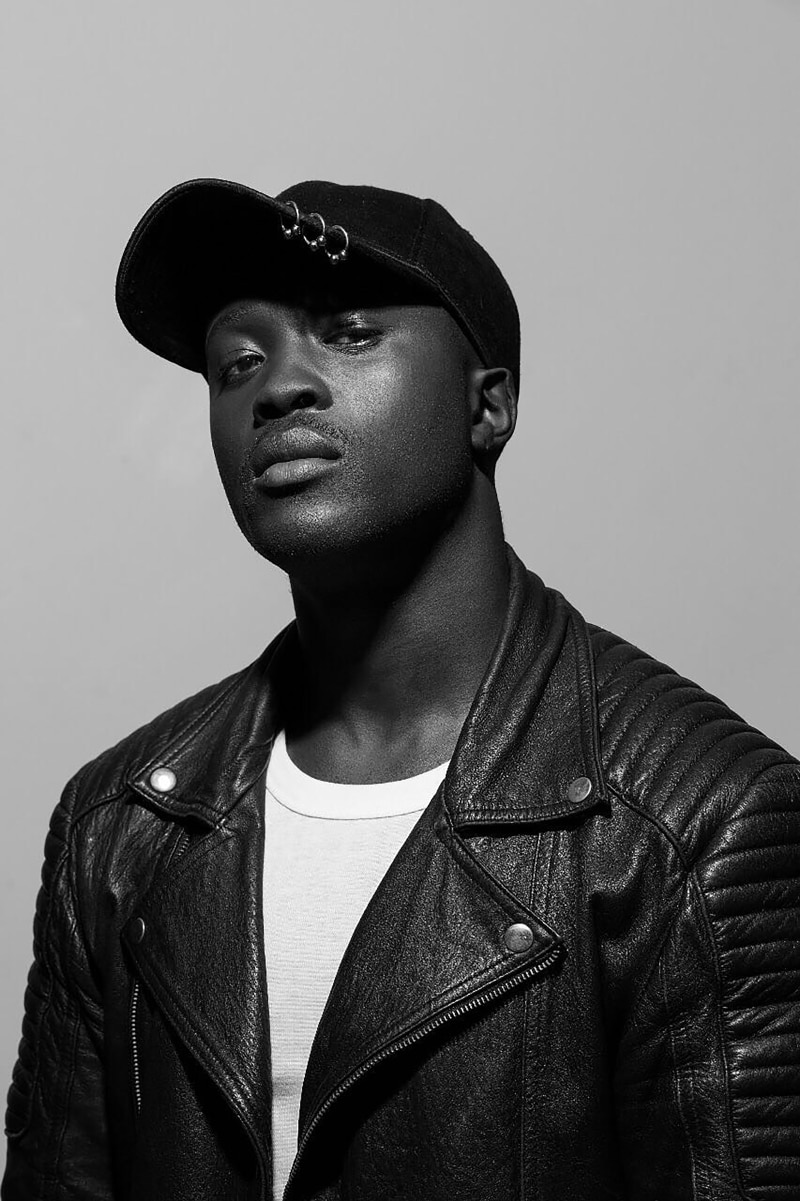
The eponymous fashion brand Tokyo James is one of those brands that instantly reminds you that fashion is art.
With a clean, rebellious sheen to all its pieces, Tokyo James infuses hard rock culture into its fashion, alongside elements of Nigerian and British influences. All of these references come together to create a brand that is able to stand out both locally and globally.
Joseph O. Ike and Ola Akindeinde – JZO
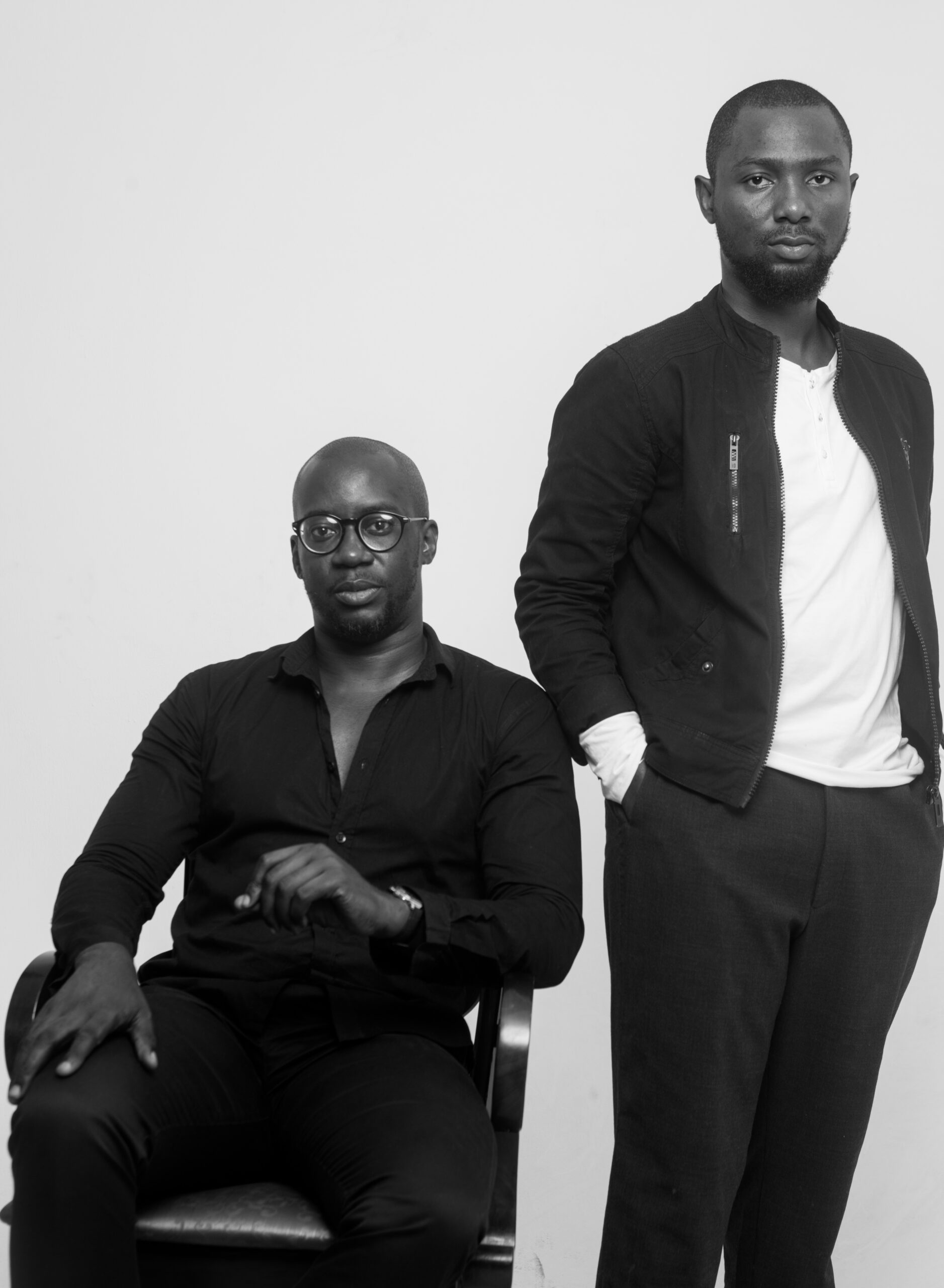
Joseph O. Ike and Ola Akindeinde, the duo behind JZO, are interested in what happens when Nigerian textile traditions become part of everyday dressing.
Where African and Nigerian fabrics are often associated with fancy and important occasions like weddings and naming ceremonies, JZO takes familiar cultural references — including textiles such as Aso-oke and Adire — and places them within a contemporary wardrobe. The brand takes these fabrics, alongside inspired cuts, and creates clothes that a modern man can wear to work, to lunch or simply to lounge.
It is a different way of thinking about Nigerian menswear: taking things we already know and love and making them feel relevant to how men actually dress today.