
When we talk about Africa’s great cities, we tend to think about Lagos, Johannesburg, Nairobi, Cairo or Accra. These are the cities that dominate our idea of modern African commerce and culture, often built around oil, finance, technology, entertainment, tourism and trade.
But long before skyscrapers, airports and free trade agreements, Africa already had cities that were major commercial centres. These were places where gold was exchanged for salt, merchants travelled thousands of kilometres to trade textiles and spices, and scholars, traders and travellers crossed paths. Goods moved through these cities, but so did ideas, languages, religions and culture.
Some became so wealthy and influential that their names travelled far beyond the continent.
Timbuktu, Mali
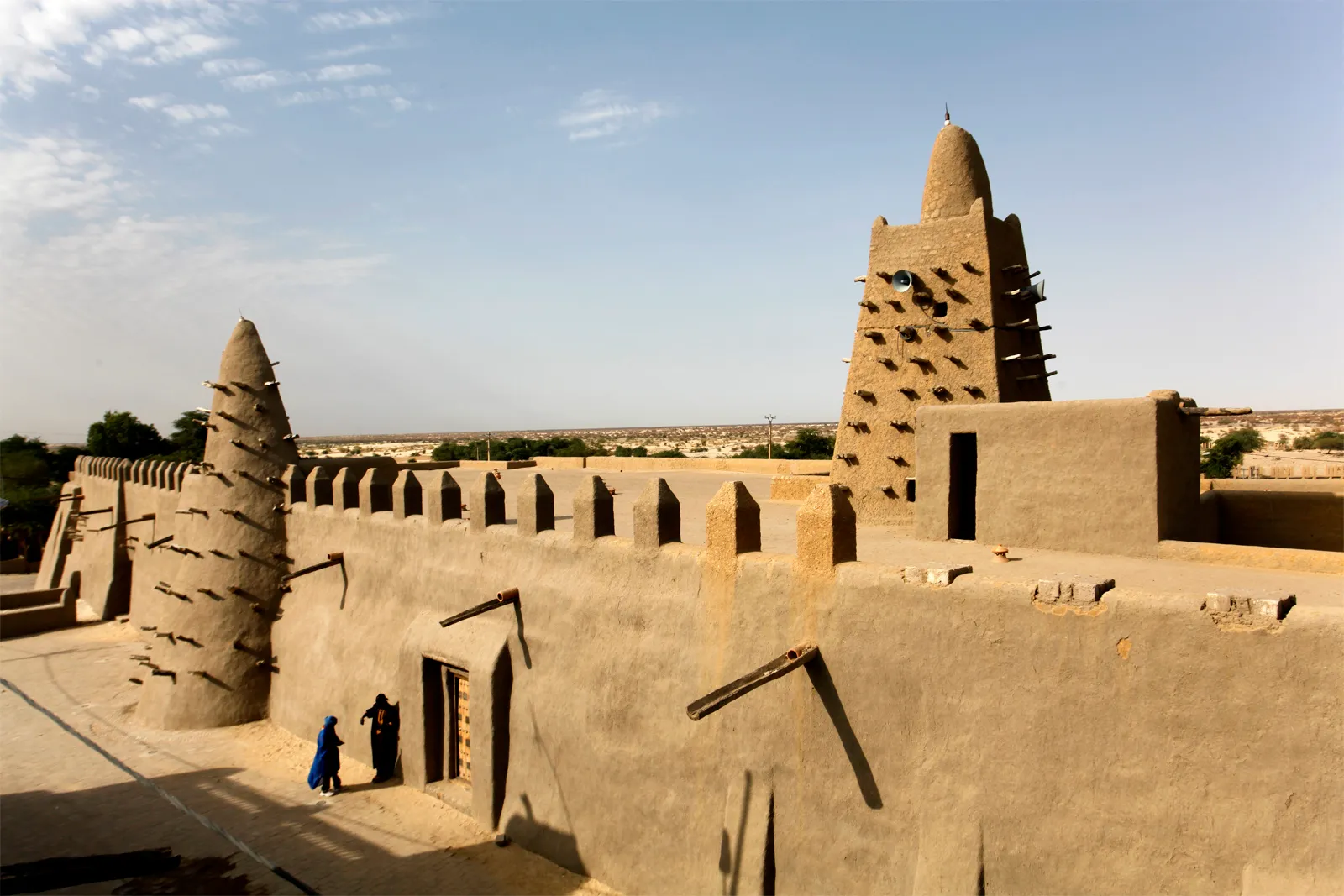
Image Credit: @britannica
Few African cities have acquired the almost mythical status of Timbuktu.
Sitting on the southern edge of the Sahara, Timbuktu became an important centre of trade because of its position between North Africa and West Africa. Gold, salt, ivory and other goods passed through the city, connecting merchants and markets across the region. But Timbuktu was never just a place to buy and sell things. It also became a major centre of learning. Its manuscripts, mosques and scholarly institutions attracted Islamic scholars and students from across West Africa and beyond. The city became one of those rare places where commercial and intellectual power existed side by side.
Today, Timbuktu is often imagined as some mysterious city at the edge of the desert. Historically, it was much more straightforward than that. It was a busy meeting point for people, money, goods and ideas.
Kano, Nigeria
Long before Nigeria existed as a country, Kano was already an important commercial city.
Its position along the trans-Saharan trade routes connected West Africa to North Africa, creating a network through which merchants moved goods across enormous distances. Kano became particularly known for its textiles and leatherwork, while salt, kola nuts, livestock and agricultural products moved through its markets.
The city’s famous dye pits are part of this history. Textile production wasn’t simply a traditional craft; it was an industry connected to a much larger regional economy.
Kano is a reminder that northern Nigeria’s commercial story did not begin with modern banking, telecommunications or oil. The region had already developed sophisticated systems for producing, trading and moving goods centuries earlier.
Benin City, Nigeria

Image Credit: Alamy
Benin City is often introduced through the Benin Bronzes, but the story of the city is much bigger than its art.
As the capital of the Benin Kingdom, it was a political and economic centre with extensive trade networks. Its connections stretched across West Africa and eventually to European traders who arrived on the coast. The city was also remarkably organised. European visitors wrote about its roads, walls and palace complex in ways that challenged the idea that sophisticated urban planning was somehow foreign to precolonial Africa.
Benin City was not an isolated kingdom waiting to be discovered. It was already part of a much wider commercial world.
Kilwa Kisiwani, Tanzania
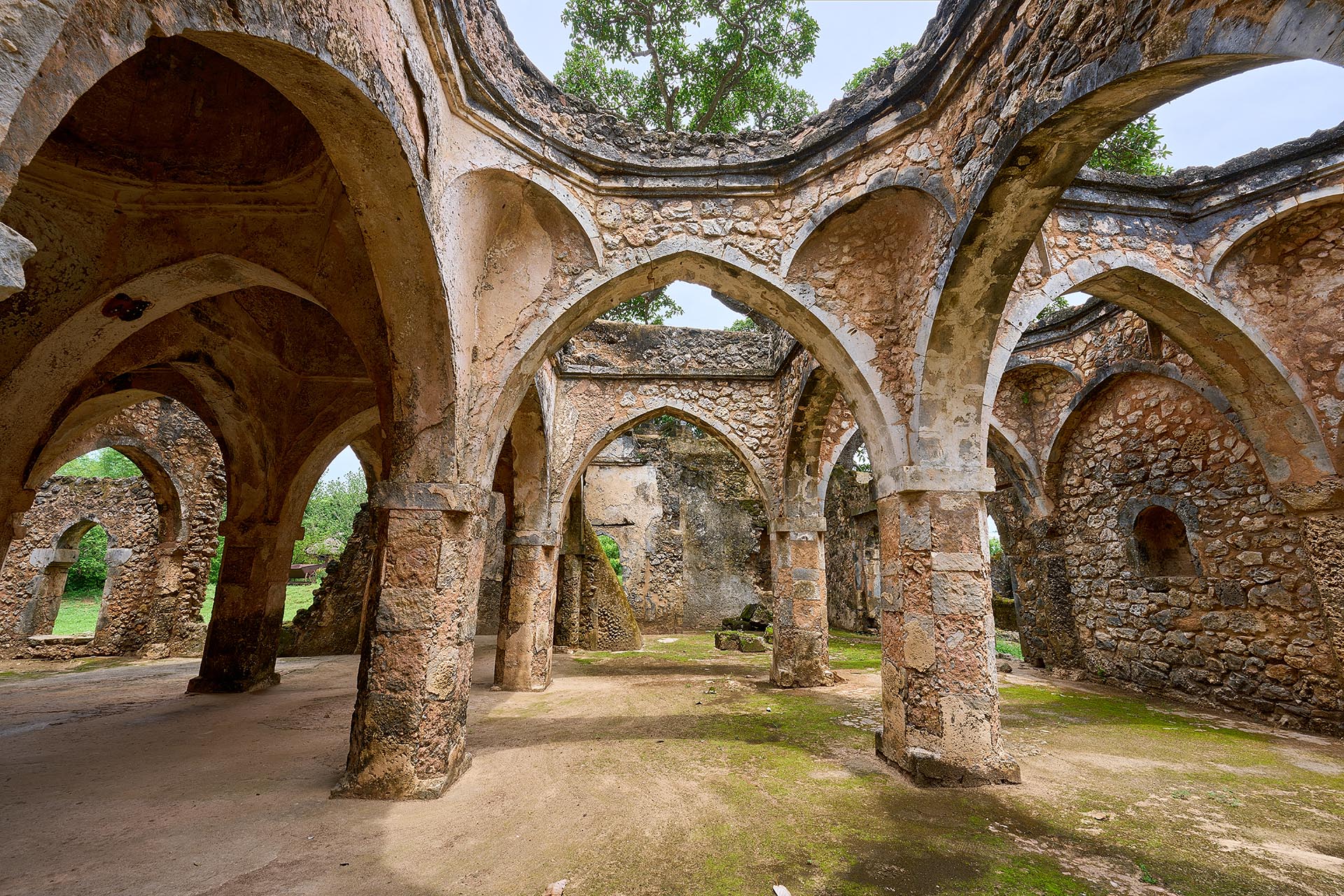
Kilwa became one of the most important cities in the Indian Ocean trading world.
Its location connected the African interior to Arabia, Persia, India and other parts of the Indian Ocean. Gold and ivory moved from the interior towards the coast, while ceramics, textiles and other goods came in through the city’s port.
The wealth generated by this trade was evident in Kilwa’s architecture. Its stone buildings and Great Mosque remain evidence of a city that had accumulated considerable wealth through commerce. And this is what makes Kilwa particularly interesting: African trade was never confined to Africa.
East African cities were deeply connected to a much larger Indian Ocean economy, with people and goods moving between the continent and the wider world.
Great Zimbabwe, Zimbabwe
Great Zimbabwe is another example of an African city whose importance was closely tied to trade. Built between the 11th and 15th centuries, it became the centre of a powerful state in southern Africa. Its stone structures are probably what it is best known for today, but its location also made it an important commercial centre.
Gold and other goods from the interior moved through the region towards the East African coast, where they entered wider Indian Ocean trade networks.
Archaeological discoveries at Great Zimbabwe have included objects from places as far away as China and Persia. That doesn’t mean Chinese merchants were casually strolling around Great Zimbabwe. It tells us something more interesting: these African trade networks were connected to global ones long before we started using words like “globalisation” to describe them.
Gao, Mali
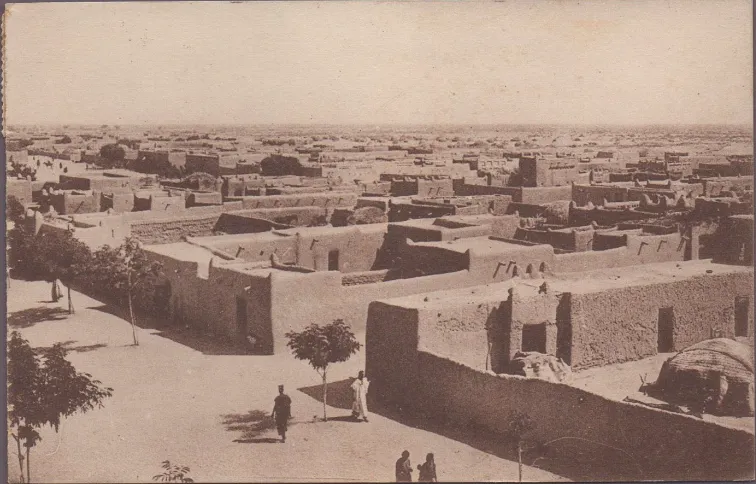
Before Timbuktu became the better-known name, Gao was already an important trading centre along the Niger River. Its position made it valuable to merchants moving goods through the Sahel, and it eventually became one of the major cities of the Songhai Empire.
Like many of the cities on this list, geography played a huge role in its success: the Niger River provided an important route for moving people and goods, while Gao’s position connected it to the trans-Saharan trade.
Its story is a reminder that rivers, deserts and coastlines were never just geographical features. They determined where cities emerged, how people moved and, in many cases, how wealthy those cities became.
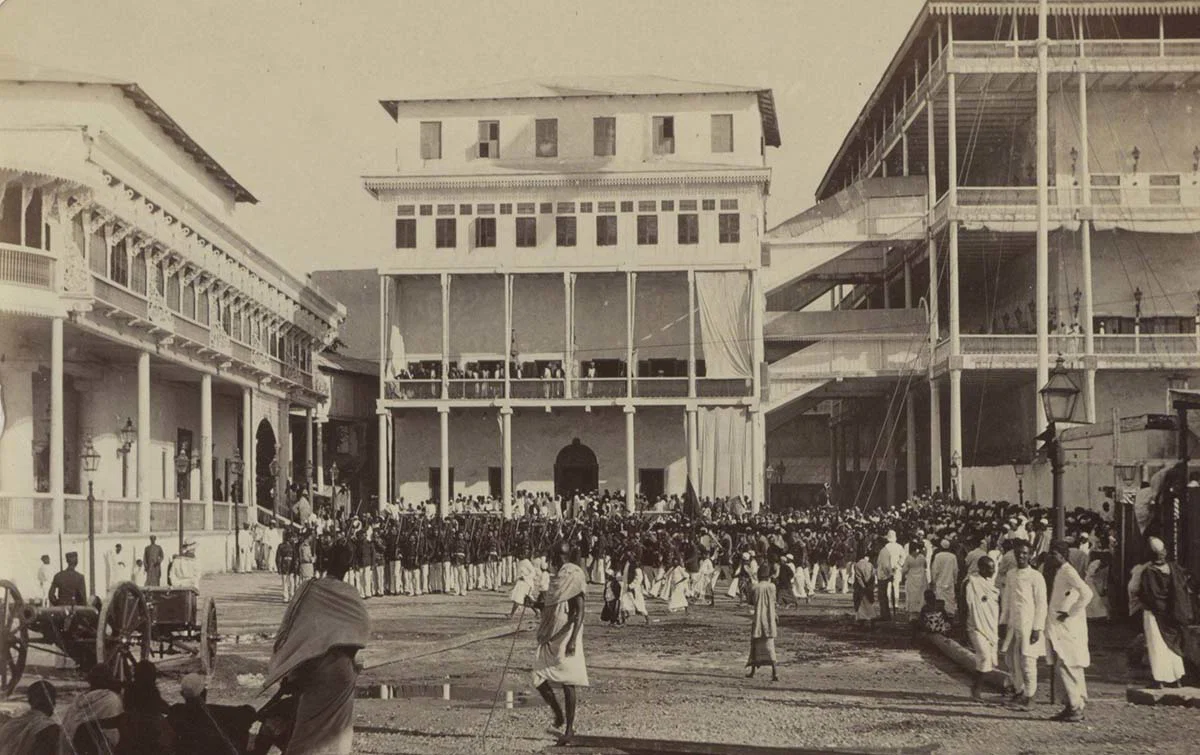
Zanzibar, Tanzania
Image Credit: @Rijksmuseum
Zanzibar became one of the most important trading centres on the Swahili Coast, sitting at the intersection of African, Arab, Persian and Indian Ocean commercial networks.
Its position made it a major hub for spices, ivory and other commodities, connecting East Africa to markets much further away. You can still see this history in Stone Town. Its architecture carries traces of the different cultures that passed through the island, creating a distinctly Swahili city shaped by centuries of interaction with the wider Indian Ocean world. But Zanzibar’s commercial history also has a darker side. The island became deeply involved in the East African slave trade, meaning its wealth was connected not only to the movement of goods but also to the forced movement and exploitation of people.
That complexity is important when we talk about Africa’s historic trade centres. These were not simply romantic worlds of merchants, markets and cultural exchange. They were also societies shaped by power, wealth, violence and inequality.