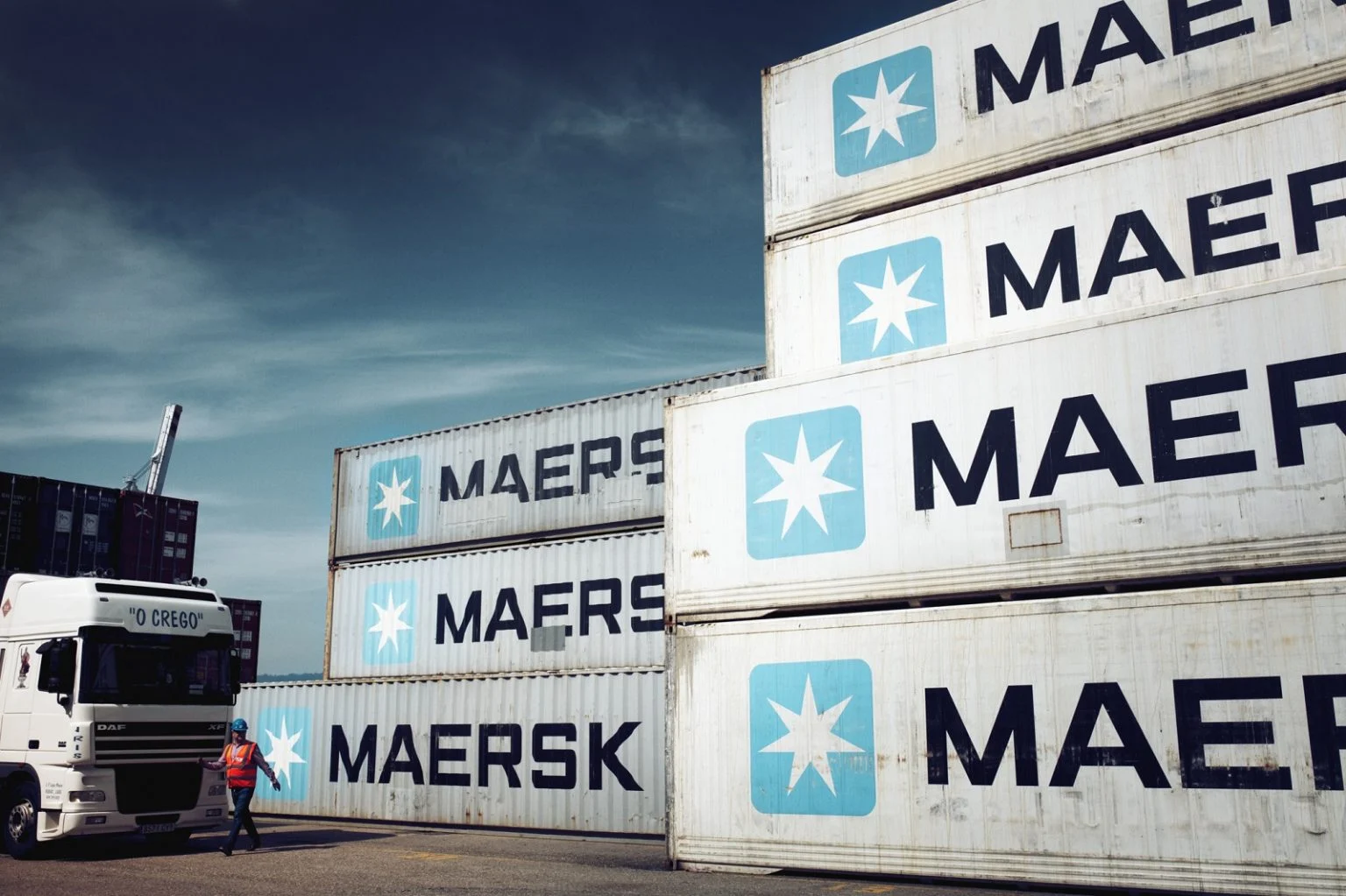
One of the world’s biggest shipping companies is returning to one of the world’s most important trade routes.
A.P. Moller-Maersk, the world’s second-largest container shipping company, has announced it will resume its Middle East–U.S. East Coast (MECL) service through Egypt’s Suez Canal after years of disruption caused by Houthi attacks on commercial vessels in the Red Sea.
Image Credit: LM
The move follows the company’s earlier decision to restore its Asia-Europe AE15 service via the Suez Canal, signalling growing confidence that one of the world’s busiest shipping corridors is becoming safer for commercial traffic.
“By making the structural change of returning to the trans-Suez route for the MECL service, we will offer significantly improved transit times,” Maersk said in a statement. The first westbound transit will be aboard Maersk Denver, while Maersk Chicago will make the first eastbound voyage. Beginning in August, the company will also add an eastbound stop in Jeddah as part of the revised network.
The decision is a major boost for Egypt. Before the Red Sea crisis, the Suez Canal carried roughly 12–15% of global trade and was one of Egypt’s largest sources of foreign currency. But attacks on commercial ships near the Bab el-Mandeb Strait forced many of the world’s largest shipping companies to reroute vessels around South Africa’s Cape of Good Hope, dramatically reducing traffic through the canal.
The impact was severe. Egypt’s Suez Canal revenues fell from a record $10.25 billion in 2023 to around $4 billion in 2024 as vessel transits nearly halved.
The disruptions also rippled across global supply chains. Longer voyages around the Cape increased shipping times, freight costs, insurance premiums and congestion at ports, while businesses around the world faced delayed deliveries and higher transportation costs. Some southern African ports benefited from increased bunkering and maritime activity as ships took the longer route.
While Maersk’s return signals improving confidence in the region, the company said future operations will continue to depend on security conditions and that it has contingency plans in place should attacks in the Red Sea resume.